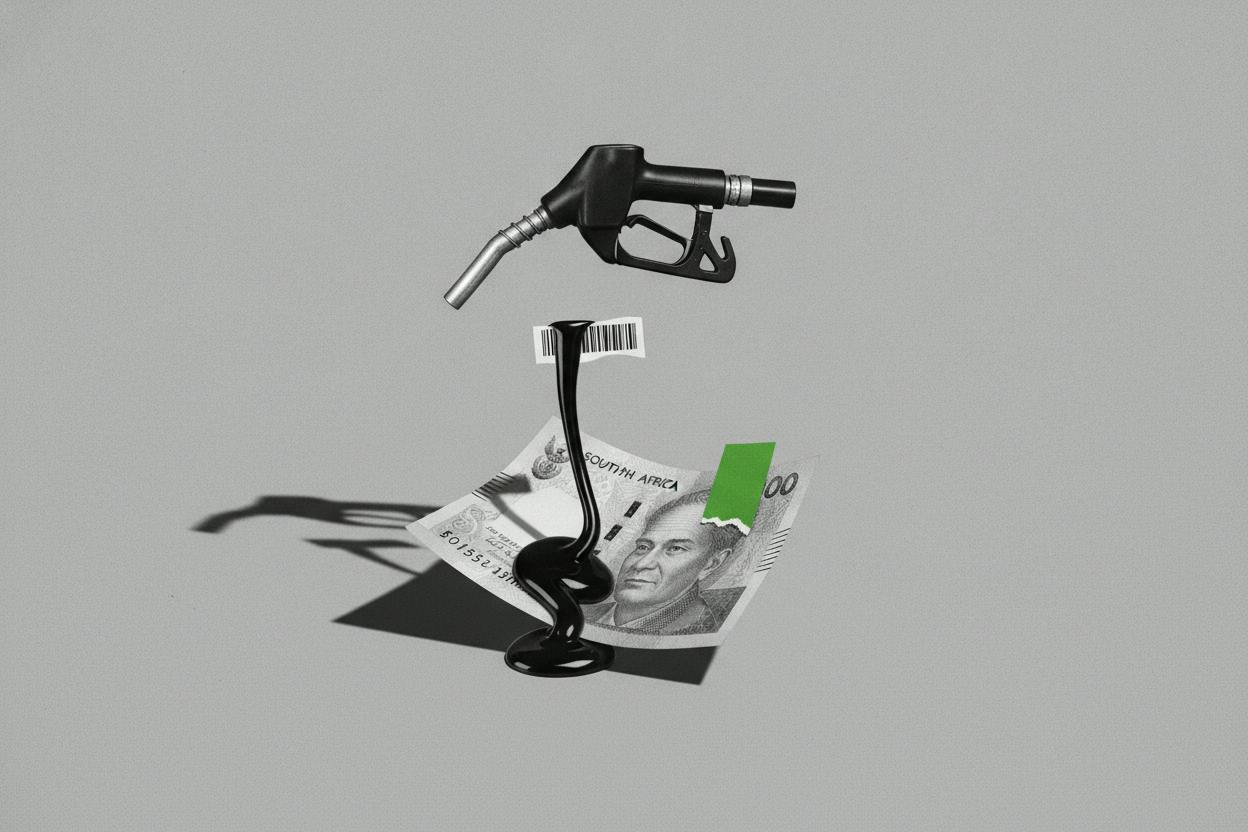
South Africa's rand weakened about 0.5% in early Thursday trading, as rising oil prices put pressure on the currency even as the government signaled a temporary fuel levy reduction starting in November. The move reflects investors weighing the short-term relief of lower fuel costs against the broader implications for the country's fiscal position.
What's driving the rand lower?
The rand's decline comes as global crude prices have climbed, a development that typically hurts oil-importing nations like South Africa. Higher oil prices increase the cost of fuel imports, which can widen the country's trade deficit and put downward pressure on the currency. For a currency already sensitive to global risk sentiment, any rise in energy costs can quickly translate into losses.
At the same time, the South African government has announced a two-month cut to the fuel levy, set to take effect in November. While this provides some relief to consumers and businesses facing high fuel prices, it also means less revenue for the state. Investors are now weighing whether the short-term benefit of lower pump prices will be offset by a larger budget deficit or reduced government spending capacity.
Fuel levy cut: a double-edged sword
The fuel levy is a tax added to the price of petrol and diesel, and cutting it directly reduces what motorists pay at the pump. For ordinary South Africans, this is welcome news, especially with inflation and living costs already high. However, the levy is also a significant source of government revenue, and even a temporary cut can strain public finances.
This is not the first time South Africa has used a fuel levy cut as a policy tool. In previous periods of high oil prices, the government has stepped in to cushion consumers, but such measures are often seen as short-term fixes rather than lasting solutions. The challenge for policymakers is balancing immediate relief with long-term fiscal sustainability.
What it means for investors
For everyday investors, the rand's movement is more than just a headline number. A weaker rand can affect the value of international investments, the cost of imported goods, and even the returns on local stocks and bonds. When the rand falls, it can also push up inflation, as imported goods become more expensive, which may influence the central bank's interest rate decisions.
Investors holding South African assets should watch how the currency reacts in the coming weeks, particularly as the fuel levy cut takes effect and oil prices continue to fluctuate. A sustained drop in the rand could prompt the Reserve Bank to consider rate hikes to defend the currency, which would impact borrowing costs for consumers and businesses.
On the other hand, the fuel levy cut could provide a modest boost to consumer spending, as households have more disposable income. That could support domestic retailers and other consumer-focused companies, even as the currency remains under pressure.
Broader market context
The rand's slip comes amid a mixed day for global markets. Oil prices have been a key driver, with geopolitical tensions and supply concerns keeping crude elevated. For South Africa, a net importer of oil, this is a persistent headwind. Meanwhile, investors are also keeping an eye on the country's fiscal trajectory, especially after recent bond market rallies tied to Treasury plans for buybacks and fewer auctions.
South African bonds have been a bright spot recently, as investors welcomed signals of fiscal discipline. However, the fuel levy cut could complicate that narrative, as it reduces government revenue. The balance between supporting growth and maintaining investor confidence will be a central theme in the months ahead.
Looking ahead
Market participants will be watching the rand's performance closely, as well as any further announcements from the government about fiscal policy. The fuel levy cut is set to last two months, but its impact on the currency and the broader economy could linger longer.
For now, the rand's 0.5% dip is a reminder of how sensitive emerging-market currencies are to global commodity prices and domestic policy choices. Investors should stay informed about both oil market trends and South Africa's fiscal plans, as these factors will likely continue to shape the rand's direction.