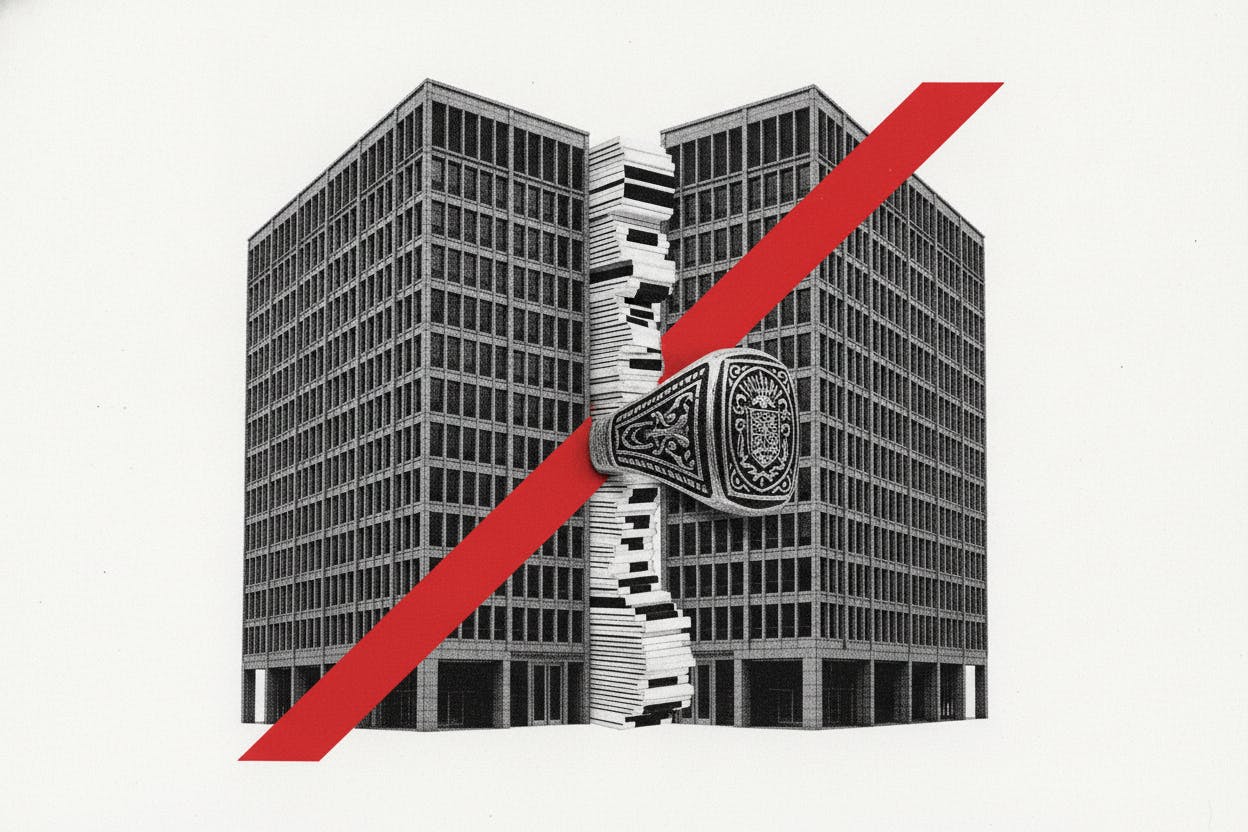
RBC Capital Markets has downgraded AIB Group, one of Ireland's largest banks, to underperform, signaling that the stock's recent run-up may have gone too far. The investment bank argues that AIB's valuation is looking stretched as the European Central Bank (ECB) moves closer to cutting interest rates, a shift that could directly hit the bank's core earnings.
What's Behind the Downgrade?
RBC's bearish call centers on AIB's net interest income (NII), the difference between what the bank earns on loans and securities and what it pays out on deposits and other funding. When the ECB cuts rates, many of AIB's loan yields reset downward relatively quickly, while the interest it pays depositors tends to adjust more slowly. That dynamic compresses the bank's profit margin on lending.
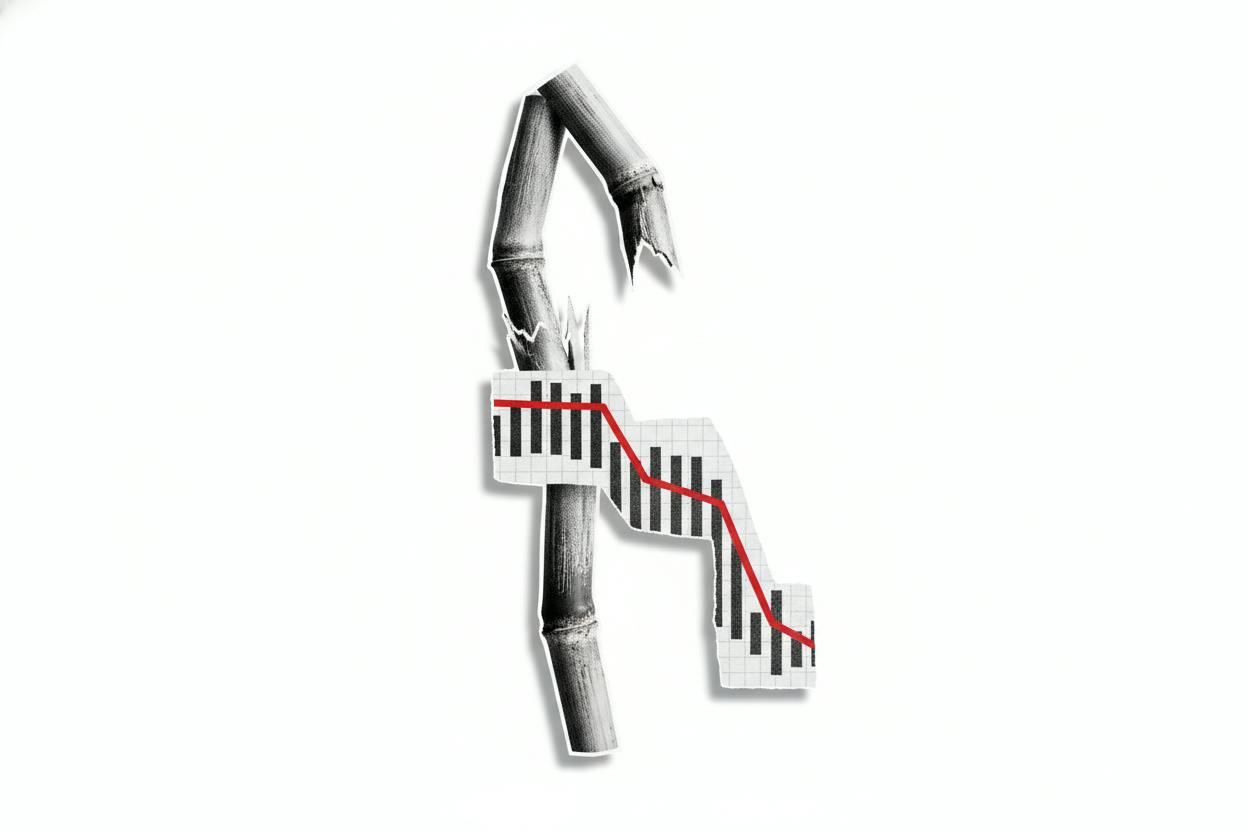
RBC estimates that for every 1 percentage point drop in ECB rates, AIB would lose about €286 million in NII. That makes AIB unusually sensitive to the path of policy rates compared to some of its peers. The bank also flagged a potential rise in minimum reserve requirements, which would force AIB to park more customer deposits at the central bank, typically earning a lower return than it could through lending. That would act as an additional drag on earnings.
Put together, RBC sees limited room for analysts to raise medium-term NII forecasts much further. Without that upward revision, a higher stock valuation becomes harder to justify. The bank reiterated its €8.75 price target on AIB shares.
What It Means for Investors
For bank stocks, the biggest swing factor is often the expected path of policy rates. RBC's estimate implies that AIB's earnings are unusually tied to where investors think ECB rates will settle. Changes in rate expectations can quickly feed into profit forecasts and valuation models, making AIB's share price more fragile than peers' when rates are heading down.
RBC prefers less rate-sensitive UK banks over AIB, suggesting that investors may want to look at banks with more diversified income streams or less exposure to floating-rate loans. The downgrade also highlights a broader theme: as central banks pivot from hiking to cutting, the easy profits from higher rates are fading, and banks with high rate sensitivity could face headwinds.
This isn't just about AIB. The same dynamics are playing out across European banking. For context, Deutsche Bank's Q2 earnings preview shows how costs and NII targets are also in focus for other lenders. Meanwhile, valuation fears have resurfaced in Hong Kong stocks, showing that stretched valuations are a concern across sectors.
Broader Market Context
The downgrade comes as markets digest a flurry of central bank meetings and economic data. The dollar edged higher as traders braced for key US data and central bank meetings, reflecting the global focus on monetary policy direction. For AIB, the ECB's next moves are critical. If rate cuts come sooner or deeper than expected, AIB's NII could take a bigger hit than the market currently prices in.
RBC's analysis also touches on the regulatory side. Higher minimum reserve requirements are a tool central banks use to manage liquidity, but for commercial banks, they act as a tax on deposits. More money sitting at the central bank earning a low rate means less money deployed into higher-yielding loans. That combination—rate cuts plus higher reserves—can make AIB's earnings outlook more challenging than that of less rate-sensitive peers.
What to Watch Next
Investors should keep an eye on ECB communications for any hints on the timing and pace of rate cuts. Also watch for any regulatory announcements on reserve requirements. AIB's next earnings report will be a key test, showing whether NII is already starting to feel the squeeze. For now, RBC's downgrade serves as a reminder that not all bank stocks are created equal when the rate cycle turns.