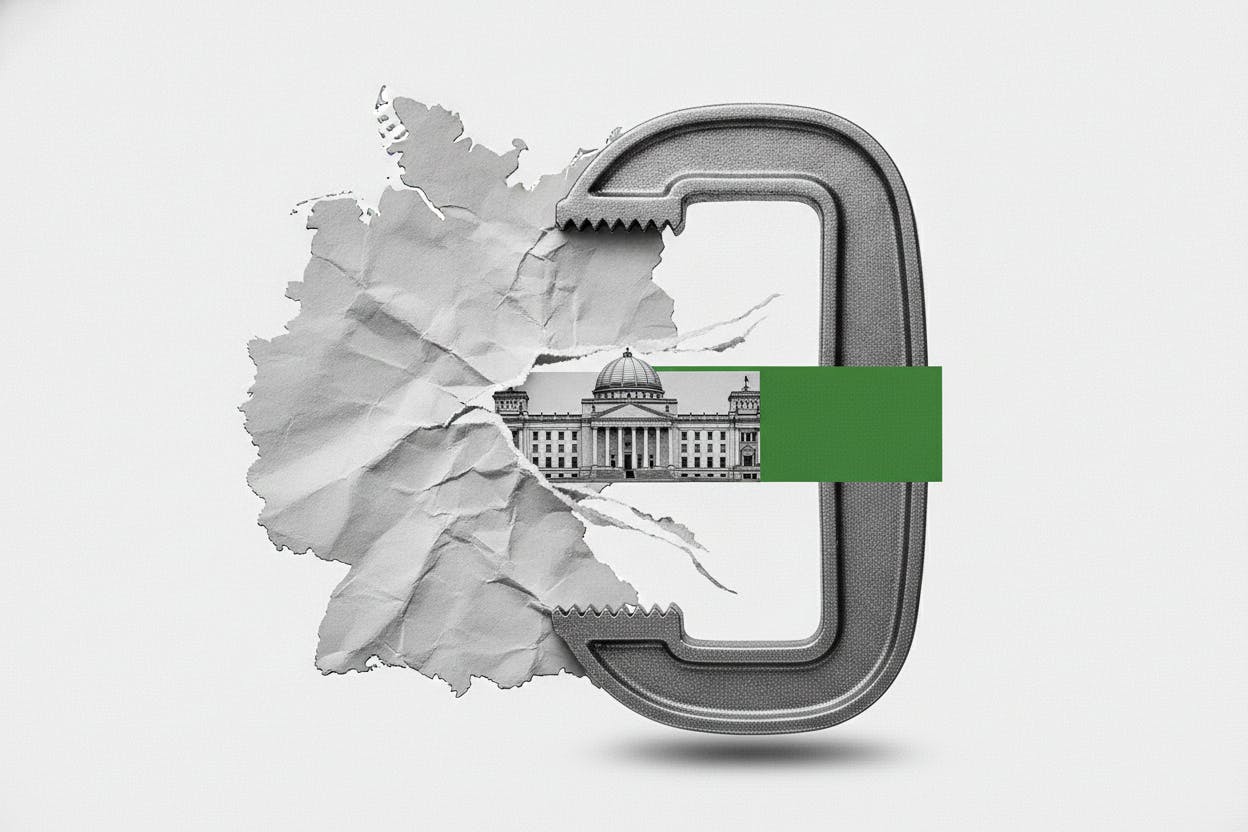
UniCredit, Italy's second-largest bank, has disclosed that it now holds a 47.6% stake in Germany's Commerzbank, following a tender offer that drew a modest 17.6% take-up from shareholders. The development escalates a cross-border banking saga that has drawn sharp pushback from the German government.
How the Stake Was Built
UniCredit began accumulating Commerzbank shares in September 2024, initially through market purchases. In May 2025, it launched a tender offer—a public bid to buy shares directly from existing investors—which it described as a move to increase its ownership, not to seize control. After a mandatory extension required under German law, the offer closed with just 17.6% of shares tendered.
Combined with earlier purchases and derivatives that can be converted into shares, UniCredit now holds a 47.6% economic interest. Derivatives are financial contracts whose value is tied to an underlying asset; in this case, they give UniCredit the right to acquire additional Commerzbank shares, potentially pushing its stake higher.
Ownership vs. Control
While a 47.6% stake is substantial, ownership does not automatically translate into control. Under German corporate law and banking regulations, major strategic decisions—such as mergers, board changes, or dividend policies—typically require approval from a majority of shareholders or the supervisory board. UniCredit has not yet indicated it will seek a full takeover, but the size of its position gives it significant influence.
The German government, which holds a residual stake in Commerzbank from the 2008 financial crisis bailout, has publicly opposed UniCredit's approach. Berlin has described the move as hostile and has signaled it will not sell its remaining shares. This political resistance adds uncertainty to any potential merger or deeper integration.
What This Means for Investors
For everyday investors, this story highlights the complexities of cross-border banking consolidation. UniCredit's move is part of a broader trend of European banks seeking scale to compete with larger global rivals. However, political and regulatory hurdles can derail such ambitions.
Commerzbank shareholders who did not tender their shares now face an uncertain future. If UniCredit eventually pushes for a full takeover, remaining shareholders could be bought out at a price determined by the bidder. Alternatively, if the deal stalls, Commerzbank's stock may trade based on its standalone prospects, which include a challenging German economy. Recent data showed Germany's industrial output rose 0.9% in May, driven by the auto sector, but broader economic headwinds persist.
UniCredit investors, meanwhile, must weigh the potential benefits of expansion against the risks of a protracted battle. The Italian bank has a track record of successful acquisitions, but the German political climate could complicate its plans. The broader European banking sector has seen increased M&A activity as lenders seek efficiency gains, but cross-border deals remain rare due to national interests.
Broader Market Context
The UniCredit-Commerzbank saga unfolds against a backdrop of rising geopolitical tensions and shifting monetary policy. Germany's DAX index fell 1.37% recently as Middle East tensions drove oil prices higher, adding to uncertainty for European equities. Higher energy costs can weigh on corporate profits, particularly for banks with exposure to energy-intensive industries.
Meanwhile, Germany's yield curve has steepened as long-term bond yields approach 3%, reflecting expectations of higher borrowing costs. For banks, a steeper yield curve can boost net interest margins—the difference between what they pay on deposits and earn on loans—which is a positive for profitability. However, it also signals market concerns about inflation and economic growth.
What to Watch Next
Investors should monitor several key developments. First, whether UniCredit exercises its derivative positions to increase its stake further. Second, any regulatory decisions from the European Central Bank or German financial watchdog BaFin, which could impose conditions on UniCredit's ownership. Third, the German government's next move—it could seek to block the deal through legislation or by rallying other shareholders.
Also worth watching is the reaction of Commerzbank's management. If they resist UniCredit's influence, a proxy fight or legal battle could ensue. Alternatively, if they see strategic merit in a combination, they may negotiate terms that protect jobs and operations in Germany.
For now, UniCredit's 47.6% stake gives it a powerful seat at the table, but the path to full control remains uncertain. As with any major corporate event, investors should stay informed and consider how these developments might affect their portfolios, particularly if they hold shares in either bank or broader European financial ETFs.