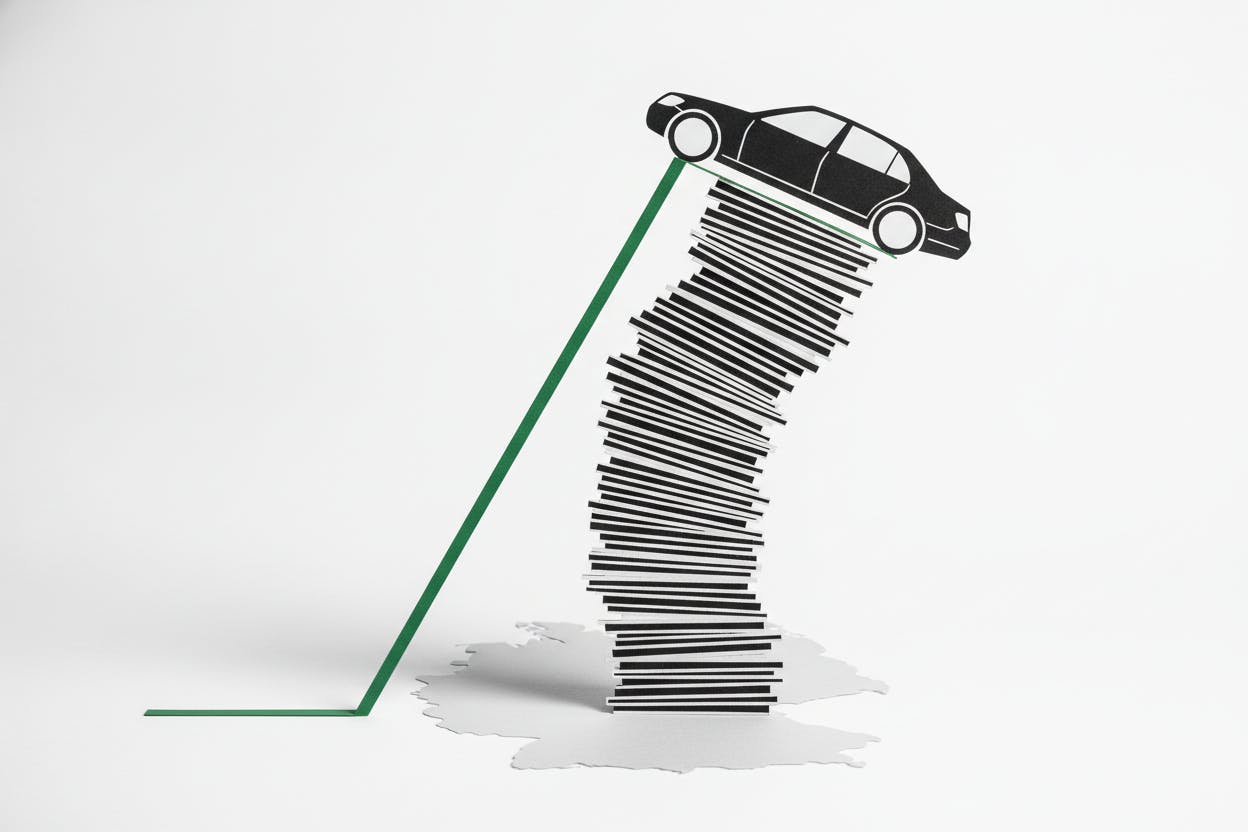
Germany's industrial sector showed a surprising burst of strength in May, with production rising 0.9% month-on-month, according to data from the Federal Statistics Office. The figure easily surpassed economists' expectations of a 0.2% increase, driven largely by a ramp-up in automobile manufacturing.
However, the headline number masks a more fragile picture. The statistics office also revised April's gain down to 0.2% from an initially reported 0.3%, a reminder that initial readings can shift as more data comes in. Over the smoother March-to-May period, output was just 0.1% higher than in the prior three months, even after May's jump.
Auto Sector Lifts the Numbers
The automotive industry, a cornerstone of Germany's manufacturing base, was the main driver of May's increase. Carmakers ramped up production after a sluggish start to the year, helping to offset weakness in other areas such as machinery and chemicals. This narrow base of growth has led economists to question whether the uptick is sustainable.
Analysts at ING and Commerzbank both noted that the recent run of data supports the idea that the German economy may have avoided shrinking in the second quarter, but they cautioned that the recovery remains fragile. The broader industrial sector continues to face headwinds from weak global demand, high energy costs, and lingering supply chain uncertainties.
What It Means for Investors
For everyday investors, the data offers a mixed signal. A stronger industrial sector can support corporate earnings and stock prices, particularly for companies tied to manufacturing and exports. However, the reliance on auto production raises questions about durability. If car output slows again, the overall factory sector could stall.
The figures also come against a backdrop of broader economic uncertainty. Germany's yield curve has steepened recently, with long-term bond yields approaching 3%, as investors weigh the outlook for growth and inflation. Meanwhile, global oil prices have slipped below $72 a barrel after OPEC+ announced plans to boost output, which could help lower costs for manufacturers but also signals weaker demand expectations.
Investors should watch for upcoming data on industrial orders and exports, which will provide a clearer picture of whether the May uptick is the start of a sustained recovery or just a temporary blip. The European Central Bank's interest rate decisions will also be key, as higher rates can dampen investment and consumer spending.
Broader Economic Context
Germany's industrial sector has been under pressure for much of the past year, as the economy grapples with the aftermath of the energy crisis and slowing global trade. The country narrowly avoided a recession in early 2024, and the latest data suggests the second quarter may have been flat or slightly positive.
However, the recovery is uneven. While auto production has picked up, other key industries like chemicals and machinery are still struggling. The construction sector also remains weak, weighed down by high borrowing costs and labor shortages.
For investors with exposure to German equities or European funds, the key takeaway is that the industrial recovery is still in its early stages and heavily dependent on a few sectors. Diversification across industries and regions remains important to manage risk.
In the meantime, the May data provides a glimmer of hope that Europe's largest economy may be stabilizing, even if the path ahead remains uncertain.