RBC Capital Markets has downgraded Dow Inc., the giant chemicals and plastics maker, and slashed its price target from $51 to $28. The move reflects growing concern that a downturn in plastics pricing and the enormous cost of a new Alberta facility will strain the company's finances for the rest of the decade.
The downgrade comes as polyethylene — a common plastic used in everything from packaging to pipes — faces softer pricing. Dow is one of the world's largest producers of polyethylene, so its earnings are closely tied to the ups and downs of that market. RBC now expects the current pricing cycle to weaken further, putting pressure on Dow's revenue and margins.
The Alberta Cracker: A $6 Billion Cash Drain
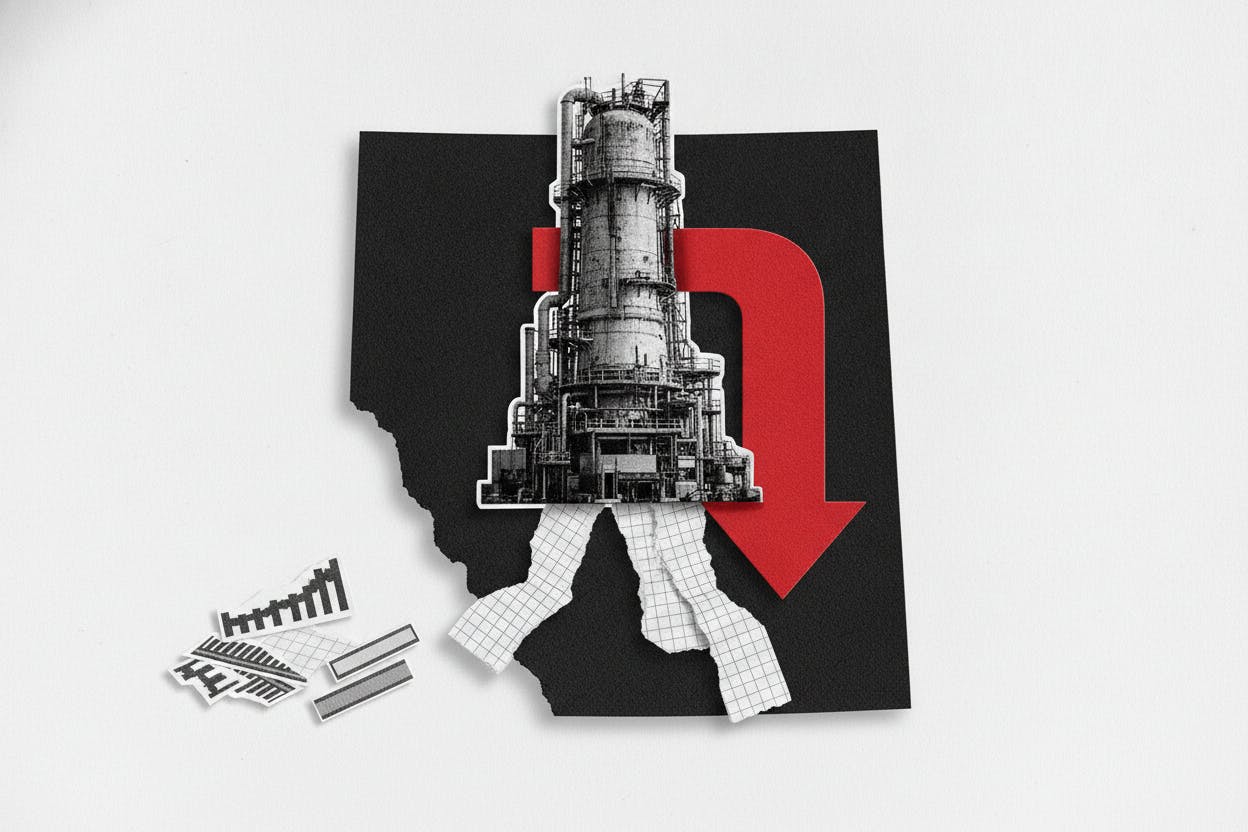
The bigger worry, according to RBC, is Dow's massive capital project in Alberta: a so-called "cracker" facility that turns natural gas liquids into ethylene, the building block for plastics. RBC now estimates the project will cost around $6 billion. That's a huge sum for any company, and for Dow it could absorb most of the free cash flow the business generates through 2030.
Free cash flow is the money a company has left after paying for operating expenses and capital investments. It's what companies use to pay dividends, buy back stock, or pay down debt. If most of that cash is tied up in a single project, there's less left for shareholders.
Dow's Alberta cracker is part of a broader push to take advantage of cheap natural gas in North America. But the timing is tricky: building a massive plant takes years, and by the time it's operational, market conditions may have shifted. RBC's analysts are essentially saying that the project's cost and timeline pose a significant risk to Dow's financial flexibility.
What This Means for Investors
For everyday investors, the downgrade is a reminder that even large, established companies can face headwinds from big capital projects and cyclical markets. Dow is not a growth stock — it's a cyclical industrial company whose profits rise and fall with the economy and commodity prices. When those prices soften, earnings can drop quickly.
The price target cut from $51 to $28 is dramatic — a 45% reduction — and signals that RBC sees limited upside for the stock in the near term. Investors should note that price targets are just one analyst's opinion, but a cut of this magnitude is worth paying attention to. It suggests the bank believes Dow's earnings power has fundamentally changed for the worse.
Dow's dividend yield may look attractive to income-focused investors, but if free cash flow is consumed by the Alberta project, future dividend growth — or even the dividend itself — could be at risk. Investors should watch Dow's next earnings report for updates on the project's budget and timeline, as well as any signs of further weakness in plastics pricing.
Broader market context also matters. European stocks dipped recently as June inflation cooled to 2.8%, but energy prices remain hot, which could affect Dow's input costs. Meanwhile, oil prices have slipped as US-Iran talks and shipping recovery ease supply fears, potentially lowering feedstock costs for Dow's chemical processes. But lower oil prices also tend to weigh on polyethylene pricing, creating a mixed picture.
RBC's downgrade of Dow is not an isolated call. The bank recently cut its price target on Methanex to $65, citing methanol prices past their peak, suggesting a broader cautious view on commodity chemicals. Investors in the sector should be aware that the cycle may be turning.
The Bottom Line
Dow faces a challenging combination: a weakening pricing environment for its core product and a massive capital project that will consume cash for years. RBC's downgrade and price target cut reflect that reality. For investors, the key question is whether Dow can manage the Alberta cracker without sacrificing shareholder returns. The next few quarters will provide important clues.