RBC Capital Markets, a major investment bank, says Halliburton's next phase of growth will depend more on its international operations, even as the oilfield services company navigates a flat second quarter weighed down by one-off costs and softer activity in the Middle East.
The bank maintained its outperform rating and $45 price target on Halliburton shares, even after trimming its 2026-2027 EBITDA estimates. The adjustments reflect what RBC calls "mobilization" spending—the upfront costs of moving equipment and crews to start new contracts overseas, which can temporarily dent profits before revenue builds.
What Is Halliburton and Why Does It Matter?
Halliburton is one of the world's largest oilfield services companies, providing drilling, completion, and production services to oil and gas producers. Its results are closely tied to global drilling budgets, which fluctuate with oil prices and energy demand. When producers spend more on exploration and development, Halliburton benefits; when they tighten budgets, the company feels the pinch.
The company's performance is often seen as a bellwether for the broader energy sector. Investors watch Halliburton's earnings and outlook for clues about the health of the oil and gas industry, particularly in North America and key international markets like the Middle East and Latin America.
Why Overseas Growth Matters Now
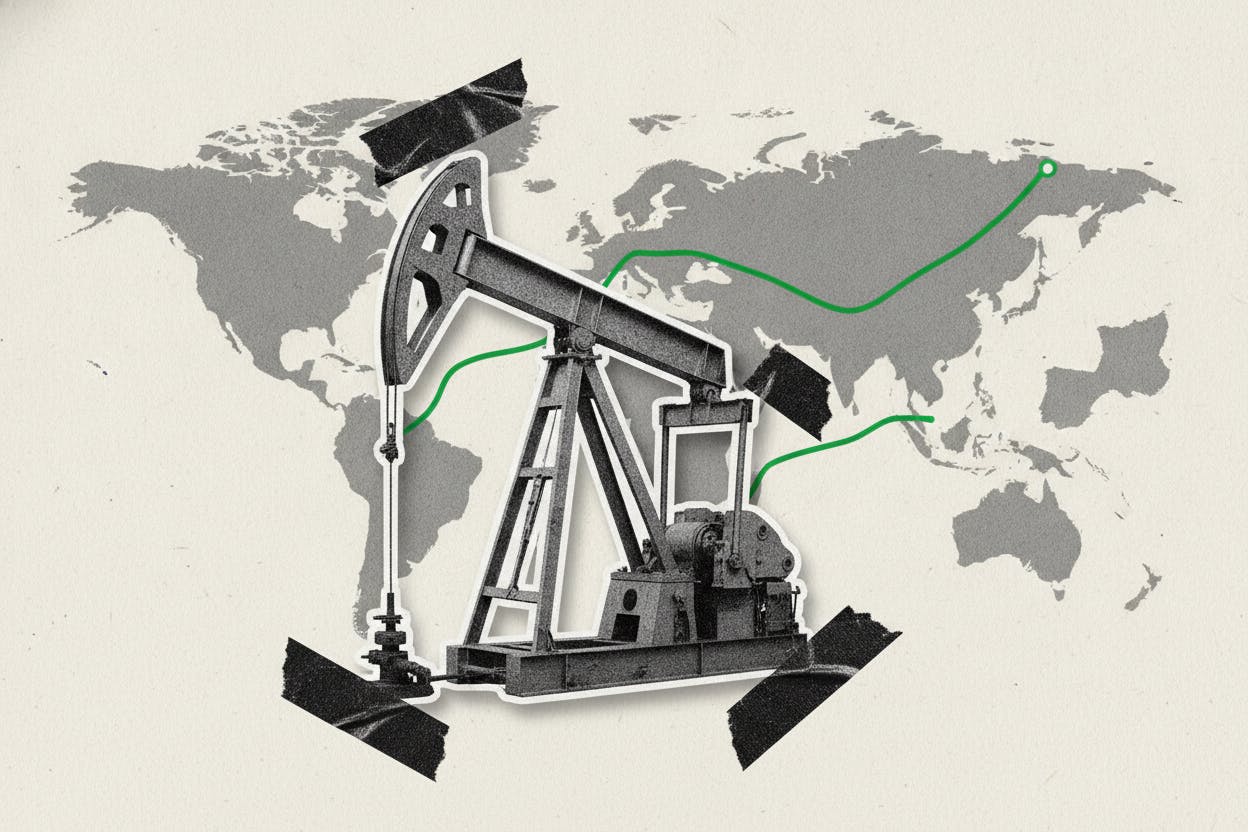
RBC's analysis suggests that Halliburton's near-term challenges—including a flat second quarter and Middle East weakness—are temporary. The real story, according to the bank, is the company's expanding international footprint. Halliburton has been winning contracts in regions like the Middle East, Africa, and Latin America, where state-owned oil companies are investing in production capacity.
However, starting new contracts requires significant upfront investment. Mobilization costs include transporting heavy equipment, hiring and training local crews, and setting up logistics. These expenses hit the income statement before the revenue from those contracts starts flowing, creating a short-term drag on profitability. RBC's trimmed EBITDA estimates for 2026-2027 reflect this timing mismatch.
"The near-term noise from mobilization spending should fade as revenue from these contracts ramps up," the bank's analysts wrote. "Halliburton's international backlog is growing, and that positions it for stronger earnings in the medium term."
What It Means for Investors
For everyday investors, RBC's view suggests that Halliburton's stock may be undervalued if the market is focusing too much on the current quarter's weakness. The $45 price target implies upside from recent trading levels, assuming the international strategy pays off.
But there are risks. The Middle East weakness that weighed on the second quarter could persist if geopolitical tensions or budget constraints slow activity. And mobilization costs could take longer to convert into revenue than expected, especially if contract start dates slip.
Investors should also consider the broader energy backdrop. Oil prices have been volatile, and any sustained downturn could prompt producers to cut drilling budgets, hurting Halliburton's business everywhere. Conversely, a tight oil market could accelerate international spending, benefiting companies like Halliburton that have a global reach.
RBC's rating is just one analyst's view. Other banks may have different opinions, and investors should weigh multiple sources of research before making decisions. The key takeaway is that Halliburton's growth story is increasingly international, and the current quarter's softness may be a temporary cost of building that future.
Looking Ahead
Halliburton's next earnings report will be closely watched for signs that international revenue is starting to offset the mobilization costs. Investors will also look for updates on Middle East activity and any changes to the company's full-year guidance.
In the meantime, RBC's stance underscores a broader theme in the oilfield services sector: as North American drilling plateaus, growth is coming from overseas. Companies like Halliburton that have the scale and expertise to win international contracts may be better positioned than those focused solely on the U.S. market.
For context, other energy-related developments this week include Fresnillo's silver and gold output drop, which highlights the challenges miners face in maintaining production. Meanwhile, Airbus shares surged on a buyback and higher output targets, showing how industrial companies are navigating demand shifts.
Ultimately, Halliburton's story is about patience. The company is investing now for growth that should materialize in the next few years. Whether that bet pays off depends on global energy demand, geopolitical stability, and the company's execution on its international contracts.