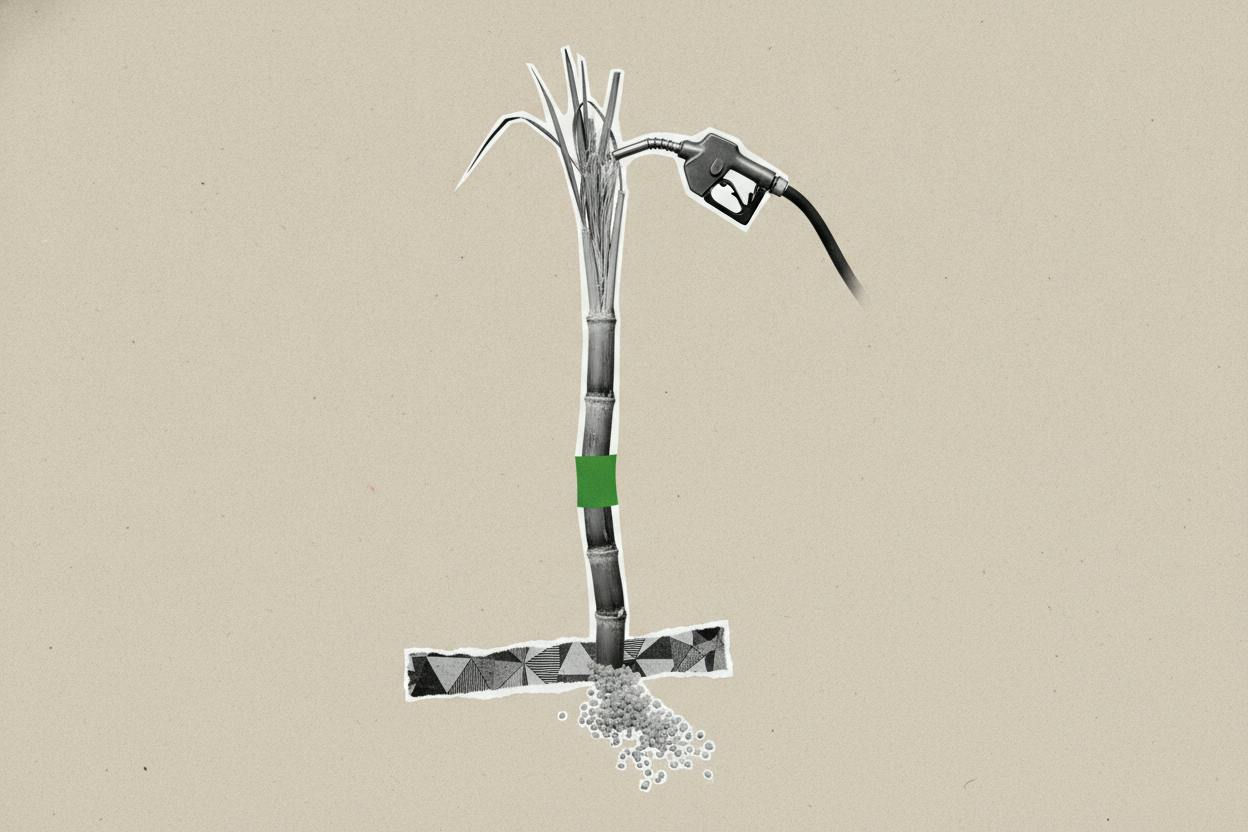
RBC Capital Markets has started covering seed maker Vylor with an outperform rating, arguing that the company's biggest growth opportunity isn't just selling more seed, but licensing its genetics and traits to others. In a note released Friday, the bank projected that this high-margin, asset-light licensing business could reach about $1 billion by 2035.
Vylor, which recently spun off from Corteva and is set to debut on the New York Stock Exchange, operates in the agricultural seed industry. The company develops and sells seeds for crops like wheat, and is also working on gene-editing technologies. Traditionally, seed companies generate revenue by selling physical seed to farmers. But Vylor's model also includes licensing its genetic traits and technologies to other companies, who pay fees and royalties to use them.
Why licensing matters
RBC's thesis is that licensing changes the fundamental economics of Vylor's business. Unlike selling physical seed, which requires manufacturing plants, inventory, and significant working capital, licensing revenue is largely recurring and requires minimal additional investment to grow. This "asset-light" approach can translate into steadier cash flow and higher profit margins, making each dollar of licensing revenue more valuable than a dollar of traditional seed sales.
The bank also highlighted Vylor's research efficiency, estimating that the company generates about 2.5 times the peer-average peak sales per research dollar spent. Vylor plans to reinvest roughly 10% of its sales back into research, a level that RBC believes is sustainable and will continue to fuel innovation.
In the near term, RBC expects Vylor's overall revenue to grow around 3% to 4% annually through 2029, supported by new wheat and gene-editing product launches. The bank also anticipates the company will return about $1 billion per year to shareholders through share buybacks, which could help support the stock price.
What it means for investors
For everyday investors, the key takeaway is that RBC's $1 billion licensing forecast is really a valuation argument. Markets often assign higher price-to-earnings multiples to companies whose profits look more like royalties—recurring, high-margin revenue that doesn't require heavy capital spending to grow. If licensing becomes a larger share of Vylor's revenue, each additional dollar could add more to the bottom line than a dollar of traditional seed sales.
This could shift the debate around Vylor's stock from whether it can deliver modest near-term sales growth to whether investors will be willing to pay a premium valuation as the licensing business ramps up toward RBC's 2035 target. The company's recent spinoff from Corteva, which was cleared by a court after Corteva's bid to pause it was denied, adds another layer of interest for investors tracking the stock's early trading.
RBC's outperform rating is a bullish signal, but it's important to remember that analyst ratings are just one opinion. The bank's projections are based on assumptions about how quickly licensing can scale, and there's no guarantee those numbers will materialize. Investors should consider the risks, including competition in the seed industry, regulatory hurdles for gene-edited crops, and the execution challenges of a newly independent company.
Still, the report underscores a broader trend in agriculture: companies are increasingly looking to monetize their intellectual property through licensing rather than just selling physical products. This model can be attractive to investors because it offers the potential for higher margins and more predictable earnings. As Vylor continues to develop its pipeline and expand its licensing agreements, the market will be watching closely to see if the company can deliver on RBC's ambitious vision.
For now, the stock's performance will likely hinge on quarterly earnings and any announcements about new licensing deals. Investors may also want to keep an eye on how Vylor's research spending translates into commercial products, as that will be a key driver of long-term growth.