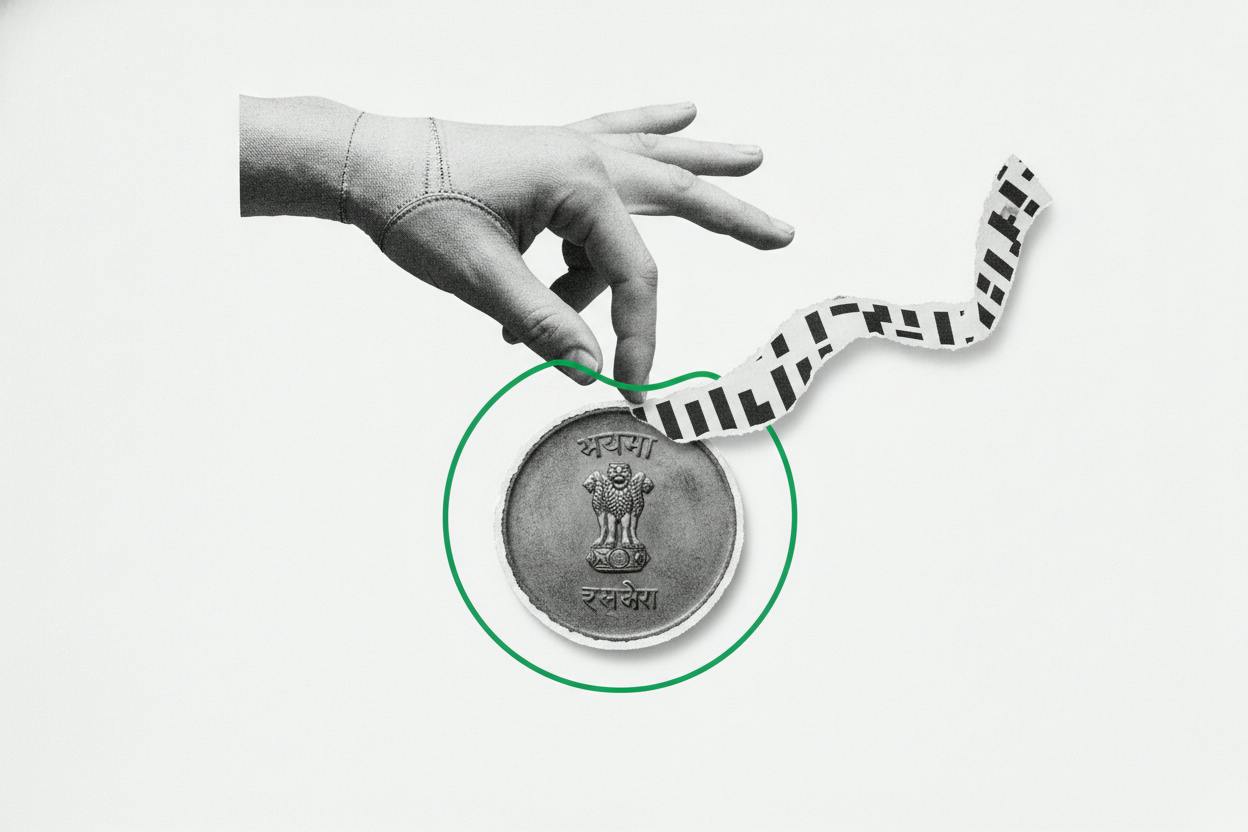
India's rupee is having its best month since February, rising about 0.6% in October, thanks to a series of quiet but effective moves by the Reserve Bank of India (RBI) to keep oil-related dollar demand from hitting the spot market. The currency traded around 95.25 per US dollar on Friday, with traders telling Reuters that flows were muted even as oil prices remain elevated.
The RBI's main lever was to reroute oil-linked US dollar purchases away from the spot market, where large, predictable buying can move the exchange rate day to day. By shifting that demand elsewhere, the central bank reduces the chance of sharp, one-way slides in the rupee. It also made it more expensive for big importers and banks to hedge against a weaker rupee, which lowers the incentive to rush into protection all at once.
Why the RBI is stepping in
India is a major oil importer, so when crude prices climb, the country's import bill swells, and demand for US dollars rises. That typically puts downward pressure on the rupee. In the past, the RBI has often sold from its foreign-exchange reserves to smooth those moves. But India's reserve stockpile has already fallen by about $65 billion from its late-August peak of $785 billion, so the central bank is keen to avoid burning through more of its cushion.
By diverting oil-related dollar demand away from the spot market, the RBI can achieve a calmer exchange rate without having to sell as many reserves. Bank of America Global Research notes that if currency pressure persists, the burden could eventually shift to interest-rate policy—meaning the RBI might have to raise rates to defend the rupee, which would have broader implications for borrowing costs across the economy.
What it means for investors
For investors watching India, the headline stability in the rupee can be reassuring. A tighter trading range helps exporters, importers, and traders who prefer fewer abrupt moves. But the RBI's actions come with a hidden cost: hedging is now pricier. Corporates with large import bills and banks managing their own balance sheets will feel the pinch through higher hedging expenses, even if the spot rate looks calm.
That's a reminder that "stability" in the exchange rate can sometimes be partly engineered. The costs don't disappear—they just show up elsewhere in the financial system. For everyday investors, this means that while the rupee's steadiness may be welcome, the underlying pressures from oil prices and global interest rates haven't gone away.
The RBI's approach is part of a broader trend in emerging markets, where central banks are using a mix of tools to manage currency volatility without depleting reserves. The effectiveness of such measures often depends on how long the pressure lasts. If oil prices stay high, the RBI may need to keep intervening, and the costs of hedging could remain elevated.
For now, the rupee's resilience is a positive sign for Indian assets. But investors should keep an eye on two things: the trajectory of oil prices and the RBI's willingness to let the currency adjust if pressures build. As India's bond yields have recently dropped on easing US yields and oil, the central bank has some room to maneuver. However, if oil spikes again, the rupee could come under renewed stress, and the costs of protection would rise further.
For those with exposure to Indian equities or bonds, the RBI's actions are a double-edged sword. A stable currency supports foreign investor confidence, but higher hedging costs can eat into returns for international investors. Domestic investors, meanwhile, may see the benefit of a steadier rupee in terms of import prices and inflation, but they could face higher borrowing costs if the RBI is forced to hike rates.
In the end, the RBI's light touch under the rupee in October is a textbook example of how central banks manage currencies in a world of volatile oil and shifting global capital flows. It's not a magic bullet, but it buys time—and for now, that's enough.