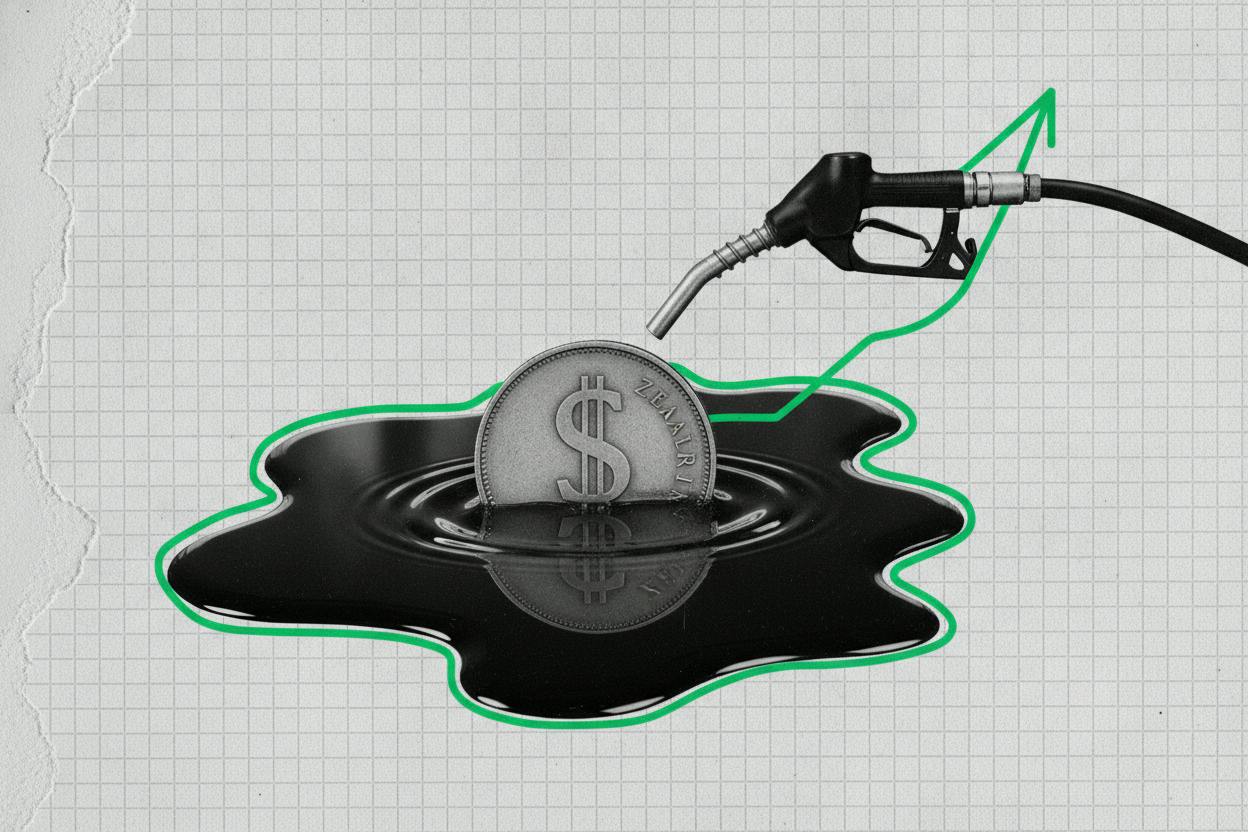
New Zealand's central bank left its official cash rate at 2.75% in October, but the message from Governor Anna Breman was far from dovish. She warned that inflation could remain stubbornly above the bank's 2% midpoint, driven by two persistent forces: a weaker New Zealand dollar and high costs of refining crude oil into petrol and diesel.
Why fuel is still a problem
Even if global crude prices cool, the cost of turning crude into usable fuel can keep pump prices elevated. Refining margins—the difference between what crude costs and what refined products sell for—have been under pressure in many regions, and New Zealand is not immune. This means that even when the headline oil price looks calm, the price at the pump can stay high.
On top of that, a weaker kiwi dollar raises the local-currency price of imports. Since New Zealand imports a large share of its fuel and many other goods, a softer exchange rate feeds directly into the prices consumers pay. Over time, those higher import costs show up in store prices across a range of categories, from groceries to electronics.
Demand is subdued, but second-round effects loom
Governor Breman noted that demand in the economy is subdued, which limits how much companies can pass higher costs on to customers. That is a silver lining: it suggests some of the inflation pressure may be absorbed by thinner profit margins rather than passed through to shoppers.
However, recent data hinted that these so-called second-round effects may be building. October's selected price index showed signs that the initial shock of higher fuel and import costs is starting to ripple into other prices. This is a classic pattern in inflation dynamics: when one-off price increases start to feed into wages and other costs, they can become entrenched.
The bank's policymakers were split on the decision to hold rates, and they said they will stay guided by incoming data. That means the door is open for further hikes if inflation proves more persistent than expected.
What it means for investors
For everyday investors, the key takeaway is that the RBNZ's hold at 2.75% does not signal an imminent easing cycle. If inflation remains sticky because of fuel and currency factors, the central bank has less room to cut rates quickly. That can keep mortgage rates and other borrowing costs higher for longer than they would be in a clean, demand-led disinflation story.
The kiwi's next move is also important. If the currency weakens further, import prices will keep rising, adding to inflation pressure. Conversely, if the kiwi strengthens, it could help offset some of the fuel-related costs.
For investors with exposure to New Zealand assets, this means watching the currency and fuel markets closely. A weaker kiwi can boost the returns of exporters but hurt importers and consumers. And if the RBNZ is forced to keep rates higher, that could weigh on property and other interest-rate-sensitive sectors.
Globally, the situation echoes what other central banks are facing. In the UK, inflation has ticked up to 3.6%, keeping the Bank of England on alert. Similarly, UK inflation looks sticky as the Bank of England sees 2% only by 2028. And in the eurozone, inflation has also picked up, with European stocks slipping as inflation ticks up to 4.0%. These are reminders that the battle against inflation is far from over in many economies.
For New Zealand, the RBNZ's stance is a signal that it will not hesitate to act if price pressures persist. Investors should be prepared for a period of elevated rates and potential volatility in the kiwi.
In the meantime, the bank's focus on fuel and currency dynamics highlights how global supply chains and exchange rates can have outsized effects on a small, open economy. For everyday investors, it's a reminder that inflation is not just a domestic issue—it's shaped by forces far beyond any single country's borders.



