Red Metal Resources has taken a significant step toward generating revenue from its Carrizal copper project in Chile. The company announced that it has delivered its first shipment of copper sulfide ore—592 tonnes—to the state-owned ENAMI's Vallenar processing plant, arriving three months ahead of the planned schedule.
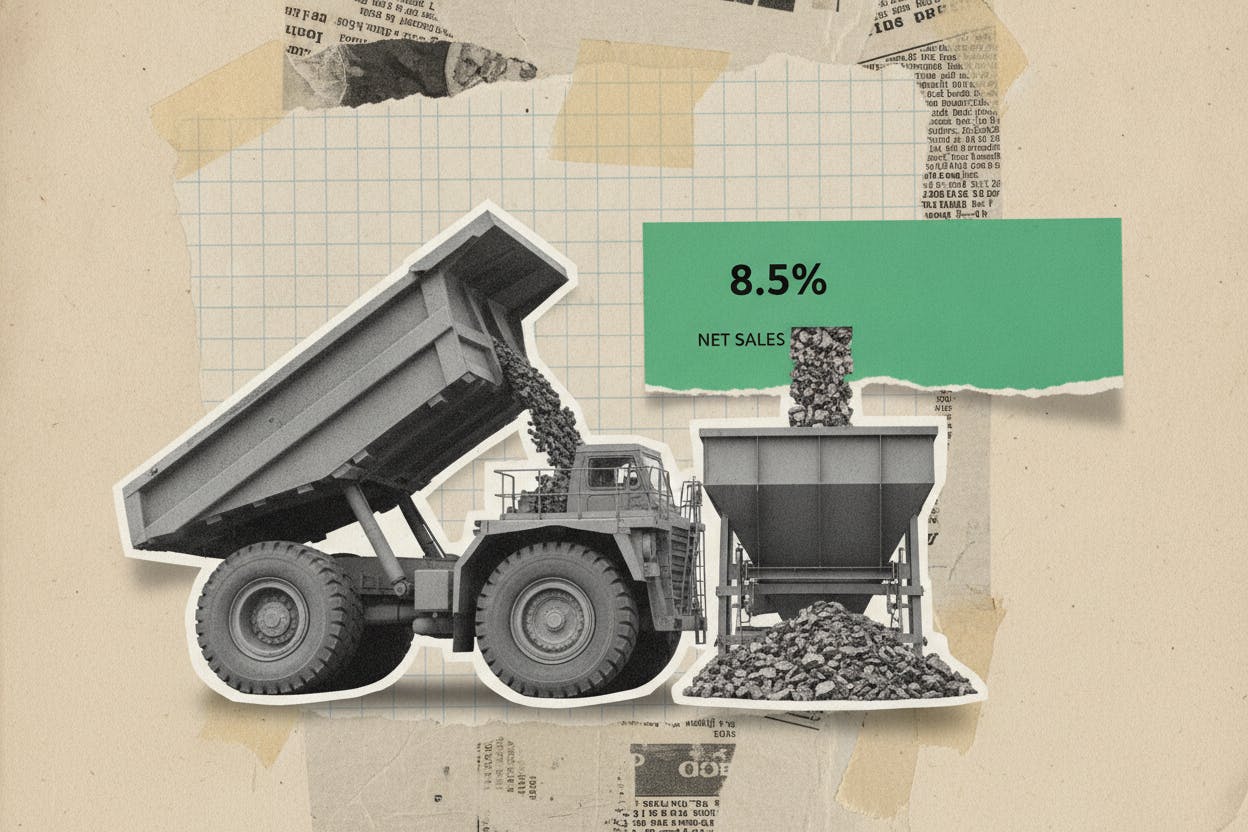
This first delivery marks the transition from development to sales-linked cash flow for the small, early-stage miner. Under the arrangement, Red Metal will receive an effective 8.5% net sales royalty on all minerals that ENAMI sells originating from Carrizal. In plain terms, Red Metal gets a fixed percentage of the sales value, not a share of profits, which provides a more predictable revenue stream.
Why this milestone matters
For a junior mining company like Red Metal, the gap between discovering a resource and actually selling it can be wide and costly. Shipping ore to a processing facility is a key de-risking event because it demonstrates that the project can produce marketable material and that logistics are in place. Doing so ahead of schedule can also signal operational efficiency, which may help the company in future financing or partnership discussions.
The Carrizal project is located in Chile's prolific copper belt, a region that hosts some of the world's largest copper mines. ENAMI, or the National Mining Company of Chile, operates several processing plants that serve small and medium-sized miners, providing them with access to smelting and refining capacity they could not afford on their own. This relationship allows Red Metal to monetize ore without having to build its own processing infrastructure.
The royalty structure is particularly notable. By tying payments to net sales rather than profits, Red Metal avoids the risk that accounting adjustments could reduce its income. This is a common structure in mining, but it can be especially valuable for a company with limited operating history, as it provides clearer visibility into future cash flows.
Copper market context
The timing of the shipment comes as copper prices face headwinds from a stronger US dollar and rising interest rates, which tend to pressure metals prices. Recent trading sessions have seen copper and other base metals slip as the dollar gains ground. However, longer-term demand forecasts remain robust, driven by electrification, renewable energy infrastructure, and electric vehicles—all of which require significant amounts of copper.
For investors, the Carrizal delivery is a reminder that small-cap miners can offer outsized returns if they execute well, but they also carry higher risks, including operational setbacks, funding gaps, and commodity price volatility. The early shipment is a positive sign, but it is just one step in a longer journey toward sustained production and profitability.
What it means for investors
For everyday investors, this news is a microcosm of how mining companies create value. The key metrics to watch are not just the tonnage shipped but the grade of the ore, the costs of delivery, and the realized sales price. While the 8.5% royalty provides a clear revenue share, the actual dollar amount will depend on copper prices and the volume of ore that ENAMI processes and sells.
Investors should also consider the broader picture. Red Metal is a speculative stock, and its fortunes are tied to copper prices and its ability to scale up operations. The company's next milestones will likely include further shipments, potential expansion of the resource base, and any updates on the grade and quality of the ore.
In the mining sector, early-stage successes like this can attract attention from larger players or strategic investors. For example, other juniors are also making progress in copper exploration, such as Northern Discovery's field work on Vancouver Island. While each project is unique, the sector as a whole is benefiting from the global push toward copper-intensive technologies.
That said, investors should not overreact to a single shipment. The company still faces the challenge of maintaining consistent output and managing costs. The royalty arrangement with ENAMI provides a stable framework, but the ultimate financial impact will be revealed in future quarterly reports.
For those watching the copper market, the interplay between supply disruptions, inventory levels, and macroeconomic factors will continue to influence prices. As global stockpiles shrink, any supply tightness could support prices, benefiting producers like Red Metal. Conversely, a stronger dollar or a slowdown in industrial demand could weigh on the metal.
In summary, Red Metal's first shipment to ENAMI is a concrete step forward, but it is just the beginning. Investors should monitor the company's progress and the copper market's direction to gauge the potential impact on their portfolios.