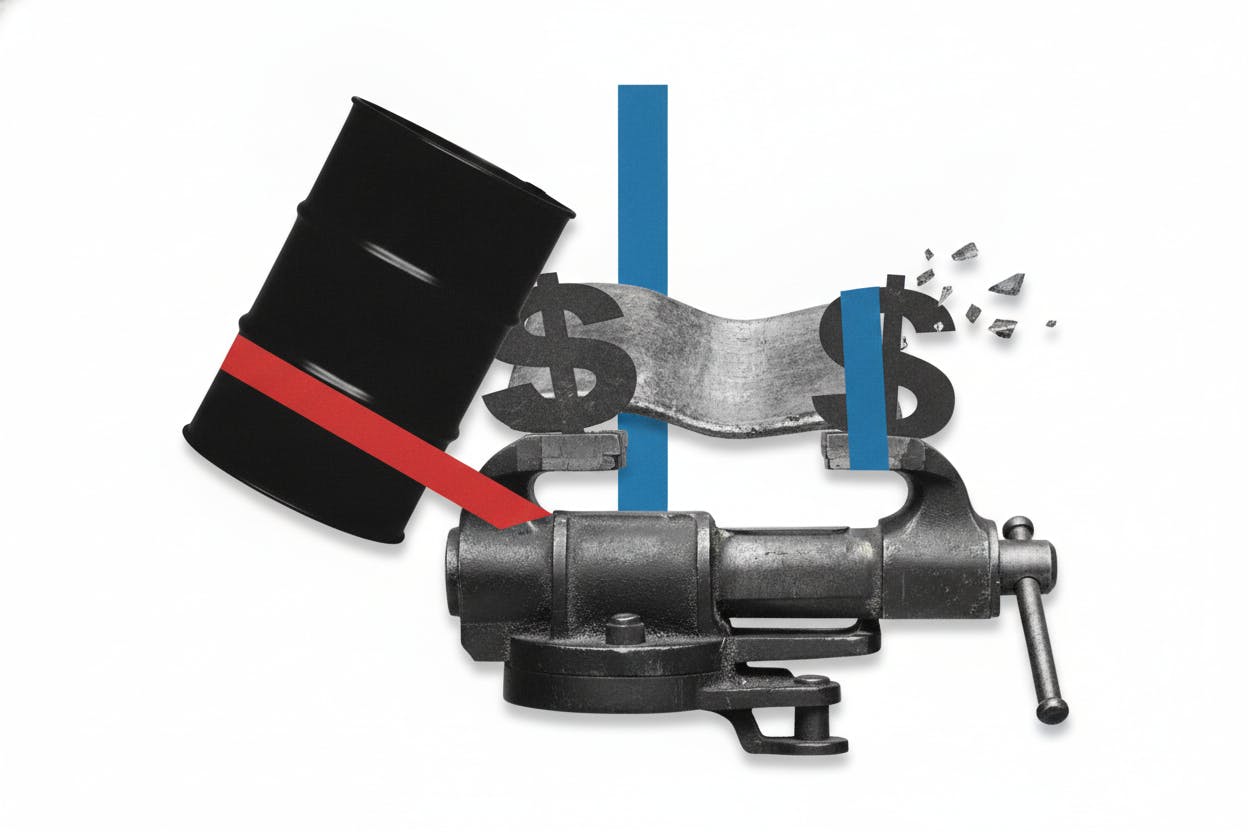
Copper and zinc prices slipped on Tuesday as escalating Middle East tensions pushed oil higher and sent the US dollar to a two-week high, adding fresh pressure on industrial metals. The moves come after a recent rally in base metals, with the mood shifting as investors weigh the implications of higher energy costs and a firmer greenback.
What's driving the decline?
The immediate trigger is geopolitical. Rising tensions in the Middle East have lifted oil prices, which tends to stoke inflation worries. That, in turn, has made another Federal Reserve rate hike feel more plausible to traders. Higher interest rates are generally seen as a headwind for economic activity, and that can dampen demand for metals used in construction, cars, and electronics.
At the same time, the dollar has climbed to a two-week high. Because copper and zinc are priced in dollars, a stronger greenback makes them more expensive for buyers using other currencies. That effectively reduces demand and puts downward pressure on prices.
The combination of higher oil, a firmer dollar, and rate-hike bets has shifted the narrative for base metals, which had been enjoying a rebound. Investors are now recalibrating their expectations for global growth and industrial demand.
Why copper and zinc matter
Copper is often called "Dr. Copper" because its price movements have historically been a reliable indicator of economic health. It is used extensively in construction, power grids, and electronics, so its price tends to rise when economies are expanding and fall when growth slows. Zinc, meanwhile, is a key ingredient in galvanising steel to prevent rust, making it sensitive to activity in construction and manufacturing.
For everyday investors, these metals are not just commodities traded on exchanges. They are also inputs for a wide range of companies, from miners to manufacturers. When their prices fall, it can signal that investors expect weaker demand ahead, which may have ripple effects across global markets.
The broader backdrop
The moves in copper and zinc come amid a broader trend of rising oil prices and higher bond yields. Oil and yields have climbed on US-Iran tensions, leaving stock futures flat as investors weigh the risks. Higher energy costs can squeeze consumer spending and corporate margins, while higher yields make borrowing more expensive for businesses and households.
The dollar's strength is also a key factor. The dollar hit a two-week high as Middle East tensions lifted oil, and that strength has been a persistent theme. A stronger dollar not only pressures commodities but also affects emerging market currencies and debt, as seen in recent moves in the Philippine peso and South African rand.
Investors are now looking ahead to US jobs and factory data, which could provide clues about the Fed's next move. The dollar has held firm as traders await those reports, and any surprises could shift expectations for rate policy.
What it means for investors
For those with exposure to base metals through exchange-traded funds (ETFs) or mining stocks, the current environment suggests caution. Higher interest rates and a stronger dollar are typically headwinds for commodities, and the geopolitical uncertainty adds another layer of risk.
However, it's important to remember that commodity prices are volatile and can reverse quickly. The recent rally in copper and zinc showed how sentiment can shift on changing expectations. Investors should focus on the longer-term fundamentals, such as supply and demand trends, rather than reacting to daily price moves.
For the broader market, the interplay between oil, the dollar, and interest rates is a key theme. If oil prices continue to climb, inflation could stay elevated, forcing the Fed to keep rates higher for longer. That would likely weigh on growth-sensitive assets, including industrial metals.
On the other hand, if tensions ease and oil retreats, the pressure on metals could subside. The upcoming US jobs data will be crucial in determining whether the Fed's next move is a hike or a pause, and that will likely set the tone for commodities in the near term.
As always, diversification remains a prudent strategy. While base metals can offer opportunities, they also carry significant risk, especially in times of geopolitical and economic uncertainty. Investors should consider their own risk tolerance and time horizon before making any decisions.



