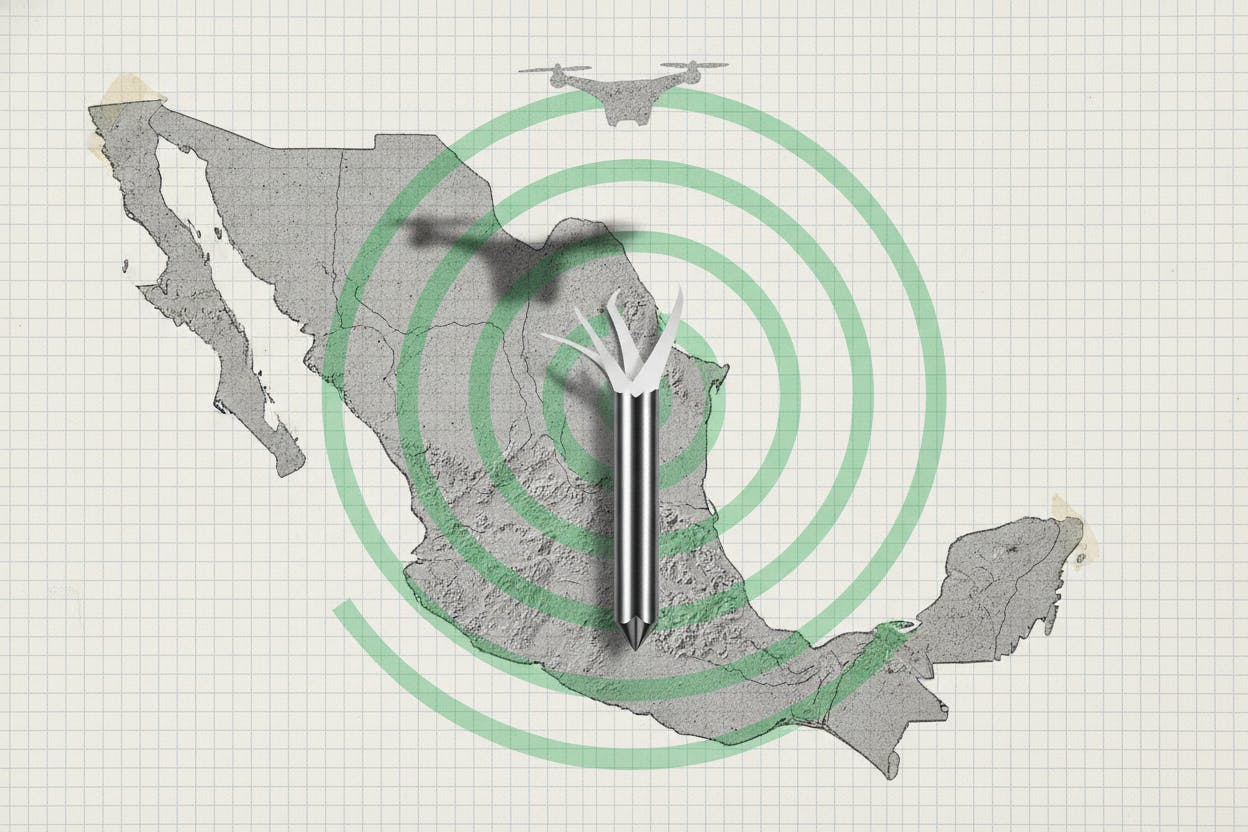
Riverside Resources and its partner Questcorp Mining have completed new geophysical surveys at the La Union project in Sonora, Mexico, and are already using the data to guide Phase 2 drilling. The surveys—aeromagnetic and induced polarization (IP)—are helping the team zero in on targets such as Jabali while they wait for assay results from earlier work.
What Are Aeromagnetic and IP Surveys?
Aeromagnetic surveys use aircraft to measure variations in the Earth's magnetic field, which can reveal hidden rock types and structures that may host mineral deposits. IP surveys, on the other hand, measure how well the ground stores electrical charge—a technique that often highlights sulfide minerals, which are common in many types of ore bodies. Together, these methods give geologists a detailed picture of what lies underground without having to drill every spot.
For a junior mining company like Riverside, geophysical surveys are a cost-effective way to prioritize drilling targets. Instead of drilling randomly, the company can focus on the most promising areas, saving time and money. The new data is now being integrated into Phase 2 drilling, which is testing targets like Jabali.
Why La Union Matters
La Union is a precious and base metals project in Sonora, a state in northern Mexico known for its mining history. The region has produced gold, silver, copper, and other metals for centuries. Riverside has been working to advance the project through systematic exploration, and the current phase is a key step toward defining a potential resource.
The company is waiting on assay results from earlier drilling, which will tell them the grade and thickness of any mineralized zones. Positive results could increase the project's value and attract further investment or a joint venture partner. Negative results might lead the company to shift focus to other targets.
What It Means for Investors
For everyday investors, the news is a routine update from a junior exploration company. These companies often release progress reports as they move through the exploration cycle. The completion of geophysical surveys and the start of Phase 2 drilling are positive signs that the project is advancing, but they are not a guarantee of success.
Investors should watch for the assay results, which will be the next major catalyst. If the assays show high grades of gold, silver, or copper, the stock could see a boost. If results are disappointing, the stock may fall. It's also worth noting that Riverside is not alone in exploring in Mexico—other companies are active in the region, and broader trends in metals prices can affect the economics of any discovery.
For context, similar exploration updates have been seen recently at other projects. For example, Asara Resources hit gold at Guinea's Kada project and is also awaiting Phase 2 assays. Meanwhile, aluminum prices have risen as global factory surveys show resilience, which could support metals markets broadly.
Risks to Keep in Mind
Investing in junior mining stocks carries significant risk. Exploration is uncertain—many projects never become mines. The company may need to raise additional capital through share offerings, which can dilute existing shareholders. Political and regulatory risks in Mexico also exist, though the country has a well-established mining code.
Riverside's partnership with Questcorp Mining helps share the financial burden, but it also means any future success would be split between the two companies. Investors should read the company's filings and understand the terms of the agreement.
In the broader market, Mexico's stock exchange recently reopened after a two-hour pre-open halt, highlighting that even established markets can have hiccups. For a junior explorer, such events are less directly relevant but remind investors that emerging markets can be volatile.
What's Next
The next key milestones for Riverside will be the release of assay results from Phase 2 drilling and any updates on the Jabali target. If the geophysical surveys have identified strong anomalies, the company may expand drilling or bring in a partner to fund further work. Investors should monitor company news releases and consider the overall outlook for metals prices, which can significantly impact the project's economics.
For now, the story at La Union is one of steady progress—surveys completed, drilling underway, assays pending. It's a familiar rhythm in the mining exploration world, and one that will either build value or lead to a reassessment of the project's potential.