Rollins, the parent company of pest-control brands like Orkin, is showing early signs of stabilizing after a shake-up in how customers find its services online. According to RBC Capital Markets, the company's customer leads are beginning to steady after AI-powered search changed the game for local service businesses. But the investment bank warns that a quick rebound in the residential business is not on the cards for the fourth quarter.
What happened?
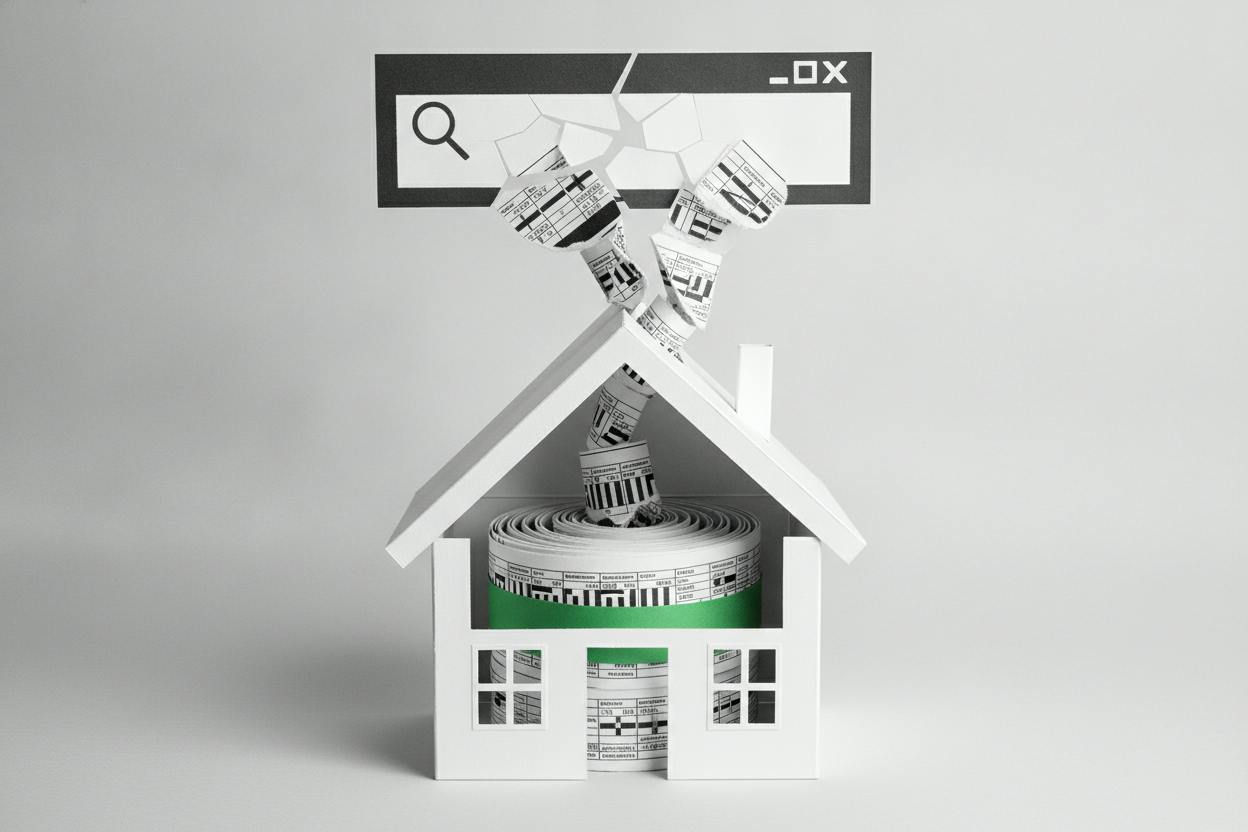
Rollins' residential organic growth slowed to 2.3%, a figure RBC attributes to the rise of AI chatbots and "answer" pages on search engines. These tools now send shoppers to a wider mix of providers, making the company's lead flow less predictable than it used to be. In plain terms, when someone searches for "pest control near me," they might now see a summary generated by AI that lists several companies, rather than the top few paid or organic results that dominated before. That shift has made it harder for Rollins to count on a steady stream of new customers from search.
There are, however, early signs the shock is easing. RBC noted that website-traffic declines moderated in September, and Rollins is shifting its marketing spend toward channels that work better rather than simply spending more. That discipline is a positive, but RBC doesn't expect it to translate into a fast Q4 rebound.
Bright spots beyond search
One area of strength is outside traditional search. Rollins' door-to-door brands, HomeTeam and Fox, posted double-digit growth. That shows some customer-acquisition routes are still holding up, even as digital channels become more crowded and less predictable.
Another stabilizer is the company's termite backlog—booked jobs that haven't yet been completed. RBC highlighted that this backlog ended the quarter at its highest level of the year. That's important because it gives Rollins more scheduled work to convert into revenue over the next few months.
What it means for investors
Backlog matters because it's revenue that's partly "pre-sold." Once a termite job is booked and scheduled, it tends to show up in sales later as crews complete the work. That lag creates a buffer when new leads are choppy, since next quarter's results can lean more on finishing work already in the pipeline than on winning fresh customers through search.
So, if RBC is right that residential demand won't rebound quickly in Q4, the near-term question for investors shifts toward how fast Rollins can work down that backlog and keep fulfillment smooth—and whether new bookings refill the pipeline as that cushion gets used.
For everyday investors, this story is a reminder that even established service companies aren't immune to technological shifts. AI is changing how consumers find local services, and companies that adapt their marketing strategies—like Rollins is doing—may be better positioned to weather the disruption. But adaptation takes time, and investors shouldn't expect a quick fix.
Rollins' experience also echoes broader trends in the tech and marketing worlds. As AI reshapes search, companies across industries are having to rethink their digital strategies. For more on how AI is affecting business models, you can read about Atlassian's AI push and how it's moving from hype to measurable sales growth.
In the meantime, investors will be watching Rollins' next earnings report for signs that the lead flow is truly stabilizing and that the backlog is being converted into revenue. The company's ability to adapt to the new search landscape will be key to its growth story.



