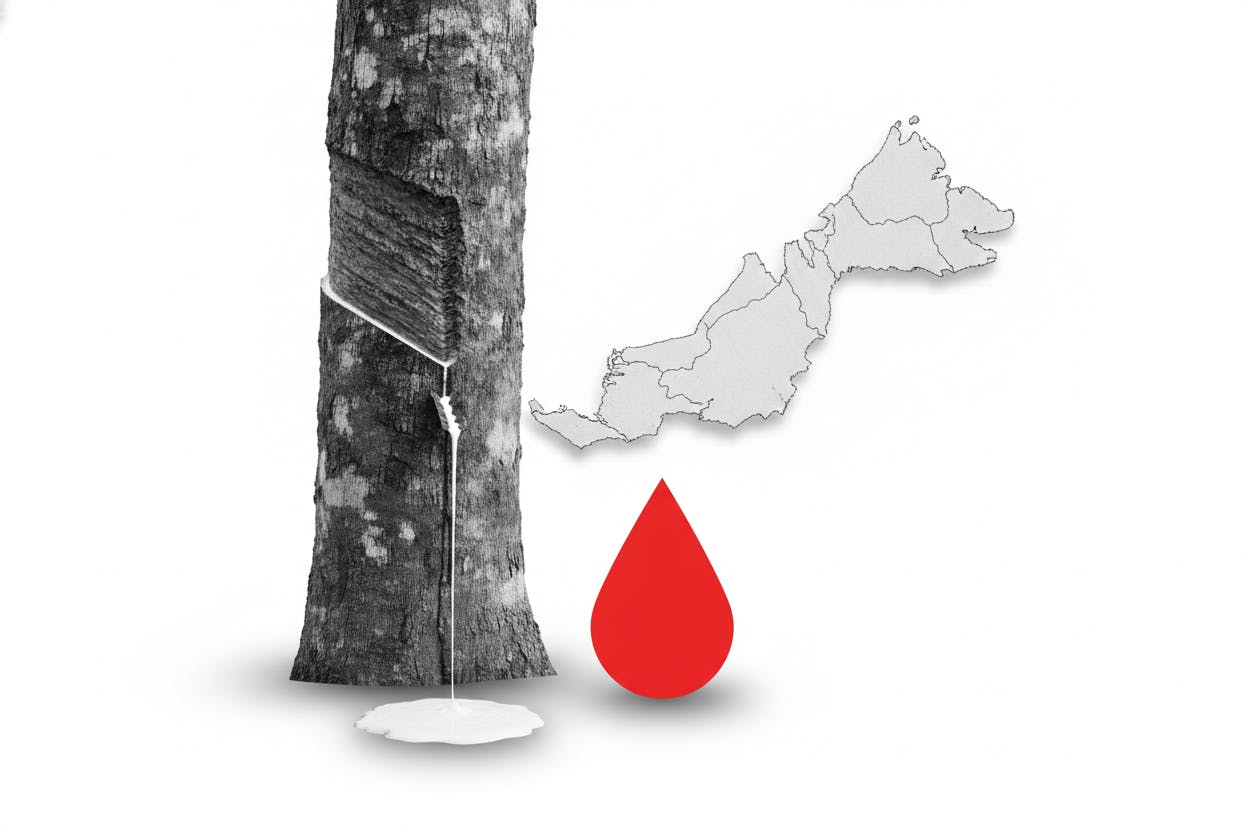
Rubber futures in Japan slipped on Friday, pressured by a sharp increase in supply from Malaysia, one of the world's key producers. The benchmark January contract on the Osaka Exchange fell 1.08% to 420.5 yen per kilogram, while Shanghai's January natural rubber contract also edged lower.
The immediate trigger was Malaysia's latest production data, which showed June output jumped 31.5% from May to 26,553 tons. That surge signals more natural rubber flowing into the market, which typically puts downward pressure on prices.
However, the decline was limited by firmer oil prices. Since synthetic rubber is made from petroleum-based feedstocks, higher crude costs make natural rubber relatively more attractive, providing a floor under prices.
Why Malaysia's output matters
Malaysia is a major supplier of natural rubber, alongside Thailand and Indonesia. When its production rises, it adds to global inventories, which can weigh on prices across exchanges. The 31.5% month-on-month jump is a notable increase, though it's important to remember that monthly figures can be volatile due to weather, tapping cycles, and seasonal factors.
For everyday investors, rubber futures are not a typical holding, but they matter for a range of industries. Natural rubber is used in tires, medical gloves, and various industrial products. Companies in those sectors—like tire manufacturers—could see input costs ease if rubber prices stay low. Conversely, producers in Southeast Asia might see their revenues dip.
The move also reflects broader trends in commodity markets, where supply and demand dynamics constantly shift. In this case, the supply side is the main driver, but demand from major consumers like China and India also plays a role.
Oil's influence on rubber
Oil prices have been a key factor in rubber markets for years. When crude rises, synthetic rubber becomes more expensive, prompting manufacturers to use more natural rubber. That can boost demand and support natural rubber prices. On Friday, higher oil prices helped cushion the fall in Osaka, preventing a steeper decline.
Oil markets have been volatile recently, with geopolitical tensions and supply concerns. For instance, oil prices have slid despite escalating US-Iran rhetoric, showing how complex the picture is. Investors watching rubber should keep an eye on crude, as it can amplify or offset supply-driven moves.
What it means for investors
For most retail investors, rubber futures are a niche asset. But the price action offers a window into global supply chains and commodity cycles. If you hold stocks in tire makers, rubber glove producers, or companies with significant exposure to natural rubber costs, this news could be relevant. Lower rubber prices might boost margins for manufacturers, while producers could see pressure.
It's also worth noting that Japan's rubber market is closely tied to the yen and the broader Asian economy. The Bank of Japan's monetary policy, for instance, can influence the yen's value, which in turn affects the competitiveness of Japanese futures. As the Bank of Japan may hike rates in September, currency moves could add another layer of complexity for rubber traders.
For those interested in Malaysian assets, the production data is a reminder of the country's role in global commodities. Malaysia is also a major palm oil producer, and its markets often react to commodity swings. Malaysian palm oil futures have been rising as traders track China's Dalian market, showing how interconnected these markets are.
Ultimately, Friday's dip in rubber prices is a modest move, but it highlights the delicate balance between supply, demand, and external factors like oil. For investors, staying informed about these dynamics can help you understand the forces shaping commodity prices and the companies that depend on them.
As always, this is not a recommendation to buy or sell any asset. Instead, use this information to better understand the market environment and how it might affect your portfolio.