Natural rubber futures in Japan and China edged lower on Tuesday, as a pullback in crude oil prices made synthetic rubber a more competitive option for manufacturers. But the dip was modest, with traders still focused on flood warnings in Thailand and El Niño-related disruptions that continue to constrain supply.
Japan's benchmark rubber contract on the Osaka Exchange closed down 0.54% at 445.5 yen per kilogram, after touching its lowest level since September 30th. Meanwhile, Shanghai's January natural rubber contract slipped 0.36% to 19,545 yuan per metric ton.
Why oil matters for rubber
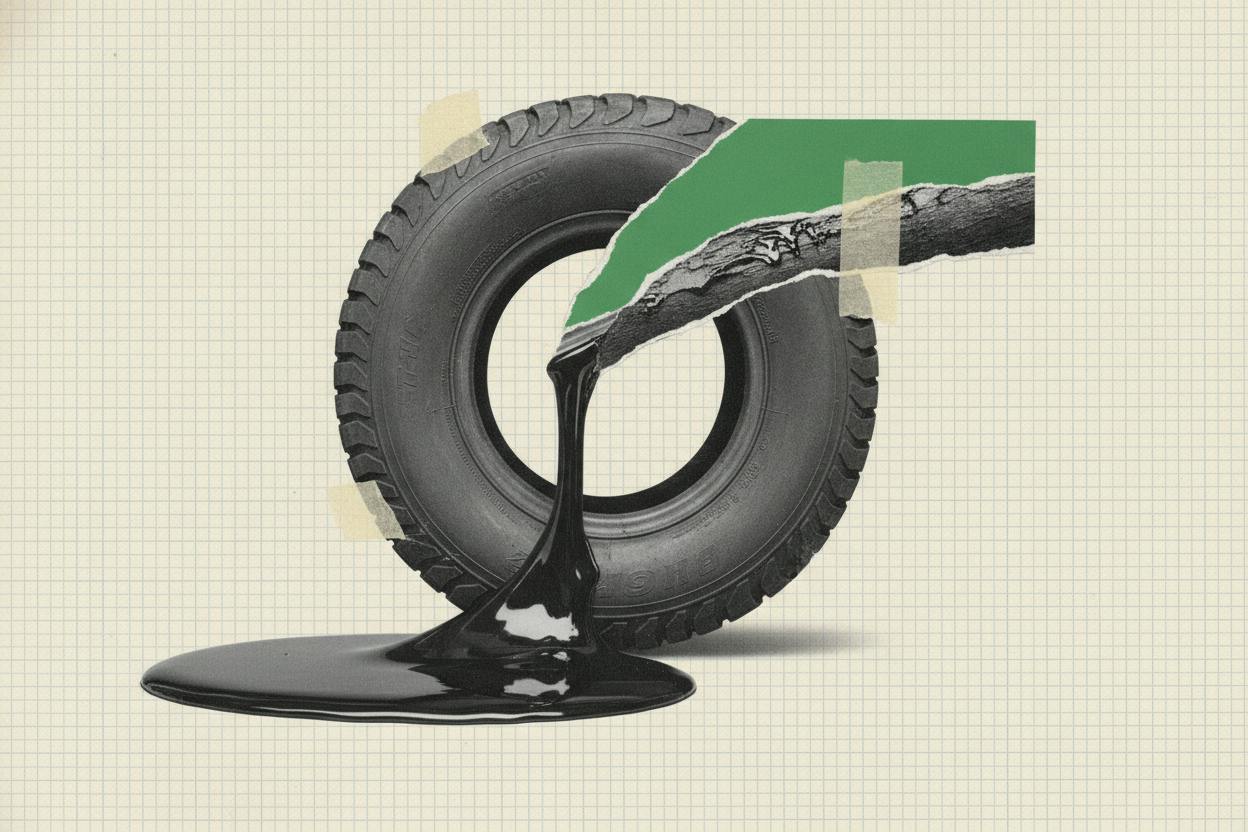
The weakness in natural rubber prices traces back to crude oil. Synthetic rubber is made from petroleum-based feedstocks, so when oil gets cheaper, synthetics often become more cost-competitive. That can pull some demand away from natural rubber, as manufacturers—particularly tire makers—can substitute a portion of their raw material inputs.
This dynamic was visible in the market on Tuesday: while natural rubber fell, Shanghai's most-active butadiene rubber contract—a key synthetic benchmark—rose 2.82% to 16,380 yuan per metric ton. The divergence highlights how the two markets can move in opposite directions when energy prices shift.
Supply risks push back
But the downward pressure from oil is being offset by persistent supply concerns. Japan Exchange Group, which operates the Osaka market, said El Niño weather is hurting “cup-lump” quality and tapping. Cup-lump is a form of raw rubber collected from tapped trees, and poor quality or reduced output can tighten supply.
The group also flagged scarce raw materials in some producing countries, including Indonesia, one of the world's largest rubber growers. Meanwhile, Thailand's weather agency warned of heavy rains and flash floods in the country's south from October 25-28. Thailand is the world's top rubber producer, so any disruption there can have an outsized impact on global supply.
These weather-related risks are not new. El Niño has been a recurring theme in commodity markets this year, affecting everything from sugar prices to agricultural output across Asia. For rubber, the concern is that heavy rains can flood plantations, making it difficult for workers to tap trees and reducing the quality of the latex collected.
What it means for investors
For investors tracking commodities or Asian industrial supply chains, the current rubber market illustrates a classic tug-of-war between two forces: energy prices and weather. When oil falls, synthetic rubber can get cheaper, which can cap natural rubber prices through substitution. But when rains or El Niño reduce tapping and degrade cup-lump supply, natural rubber can stay supported even if energy prices point lower.
The result is often a choppier spread between natural rubber benchmarks—Osaka, Shanghai, and Singapore's SICOM contract—and synthetic rubber such as butadiene. That volatility matters because downstream buyers like tire makers can see input-cost planning become more difficult when the natural-versus-synthetic gap swings quickly.
For everyday investors, the key takeaway is that rubber prices are being pulled in two directions at once. While cheaper oil may offer some relief to manufacturers who use synthetic rubber, the ongoing supply constraints from weather could keep natural rubber prices elevated. This could translate into higher costs for tire makers and other rubber-dependent industries, which may eventually pass those costs on to consumers.
Investors with exposure to Asian markets or commodity-focused funds should keep an eye on weather developments in Thailand and Indonesia, as well as crude oil trends. The interplay between these factors is likely to keep rubber prices volatile in the near term.
As always, it's important to remember that commodity markets are inherently unpredictable, and short-term price movements can be driven by a range of factors beyond what's visible in the headlines. For those looking to understand the broader picture, the current rubber market serves as a reminder of how interconnected global supply chains and weather patterns can be.