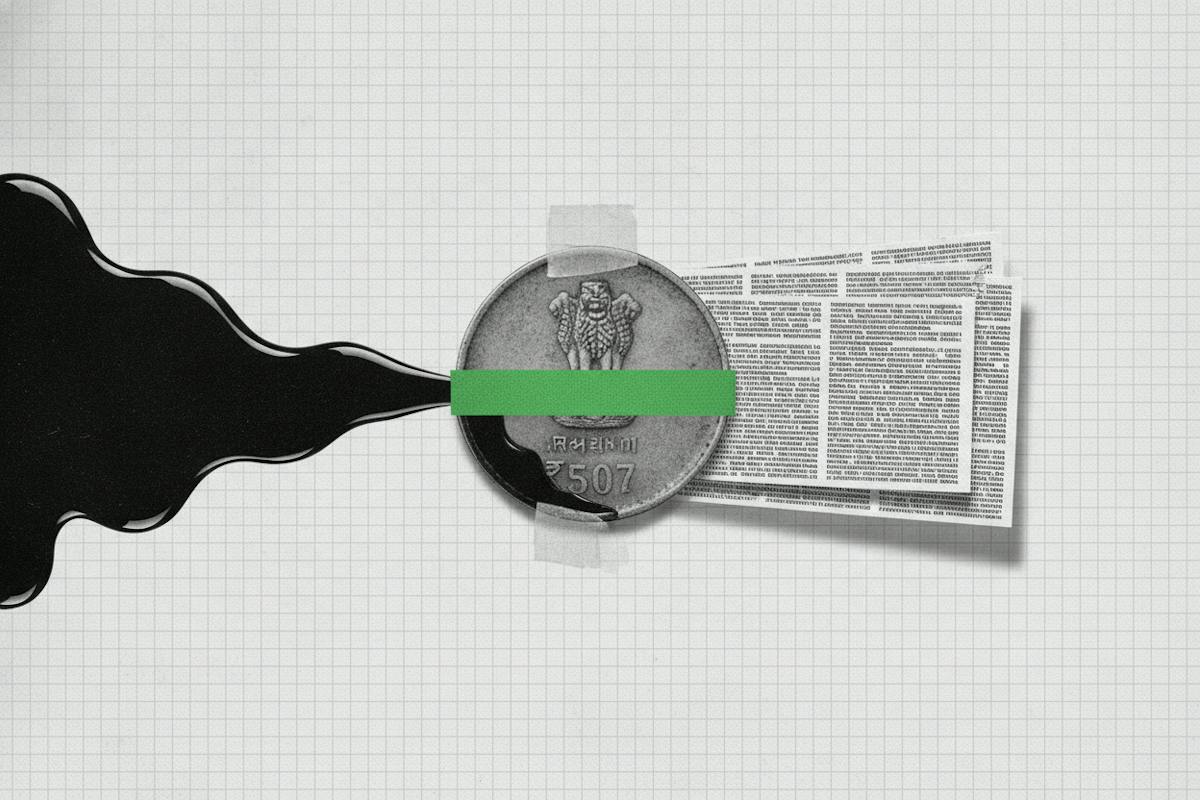
India's rupee has been one of Asia's best-performing currencies this month, but a familiar foe is back: rising oil prices. Brent crude has climbed back above $96 a barrel, and that could test the resilience of the rupee's rally.
The rupee has gained about 2.6% in October, a standout performance among Asian currencies. On Thursday, it closed at 92.4450 per US dollar and was expected to open roughly flat on Friday, even as the dollar index hovered near a 22-month high. That resilience suggests the rupee's strength is being driven more by India-specific factors than by a weak greenback.
Why oil matters for the rupee
India is one of the world's largest oil importers, so when crude prices rise, the country needs to buy more dollars to pay for its energy needs. That increased demand for dollars typically puts downward pressure on the rupee. The recent spike in Brent—driven partly by geopolitical tensions that have added a 'risk premium' to crude—is exactly the kind of shock that has hurt the rupee in the past.
Higher oil prices also widen India's trade deficit, as the cost of imports rises faster than export earnings. A wider deficit can make foreign investors nervous, as it may signal economic strain and put further pressure on the currency.
Foreign money is still flowing in
Despite the oil headwind, foreign investors poured over $600 million into Indian shares on Thursday, a sign that confidence in India's growth story remains strong. This inflow is part of a broader trend: record foreign inflows have been pushing India's Nifty toward 26,000 as tariff talks loom. The demand for Indian equities helps support the rupee by creating a steady stream of dollars into the country.
Some analysts have even suggested that Indian stocks could serve as a hedge for portfolios heavily weighted in AI-related tech stocks, as JPMorgan has noted. That kind of structural interest from global investors could keep the rupee supported even if oil prices stay elevated.
What it means for investors
For everyday investors, the rupee's fate is more than just a currency story. A weaker rupee can eat into returns for those holding foreign assets or planning to send money abroad. It also affects inflation, as imported goods—especially oil—become more expensive, which can feed into domestic prices.
On the flip side, a stronger rupee can benefit sectors that rely on imports, such as airlines and oil marketing companies, while hurting exporters like IT services firms that earn in dollars but report in rupees.
The immediate focus will be on whether oil prices stay above $96 and whether foreign inflows continue. If crude keeps climbing, the rupee could give back some of its recent gains. But if the inflows persist, they may provide a buffer.
Investors should also watch the Reserve Bank of India's actions. Indian banks have urged the RBI to mop up excess dollars as inflows surge, which could help stabilize the currency. The central bank has tools to manage volatility, but it cannot completely shield the rupee from global oil shocks.
The bigger picture
The rupee's rally is a reminder that currency movements are rarely one-dimensional. While oil is a clear risk, the strength of foreign investment flows and India's economic fundamentals are providing support. For now, the rupee is holding up, but the oil test is far from over.
As always, investors should focus on their long-term goals rather than short-term currency swings. Diversification across asset classes and geographies can help manage the risks that come with currency volatility.