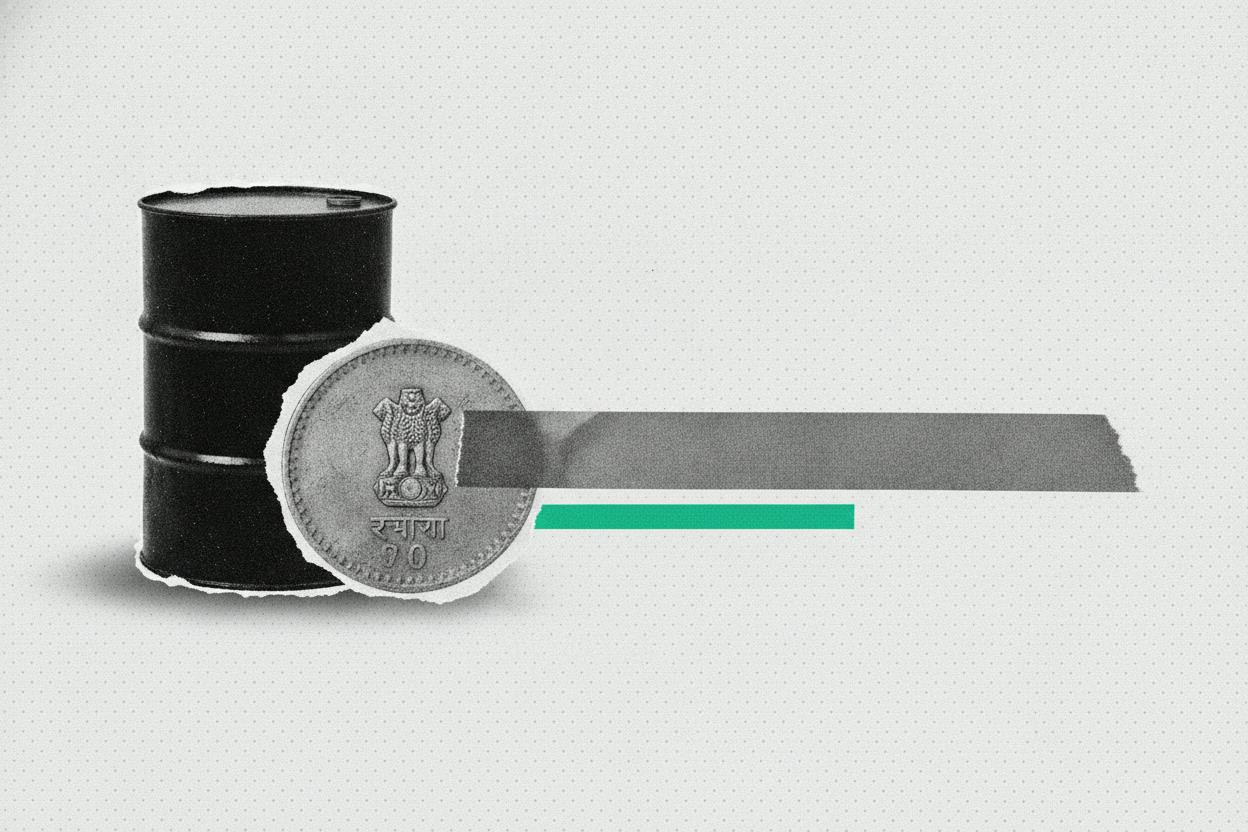
India's rupee slipped to 96.7750 per US dollar on Wednesday, even after the Reserve Bank of India (RBI) adopted a more hawkish tone. The currency fell about 0.4%, edging closer to its record low near 96.96, as traders kept a close eye on the psychologically important 97 mark.
Normally, a central bank that signals it is willing to keep interest rates higher—what analysts call a hawkish stance—tends to support a currency by making it more attractive to hold. But the rupee's decline suggests other forces were at play, most notably rising oil prices and market positioning.
Why the rupee fell despite a hawkish RBI
According to Reuters, the move stood out because the RBI had recently seemed comfortable with only a gradual slide in the currency. One trader described the drop as "catch-up" positioning after the policy decision, meaning investors were adjusting their bets to align with the new reality.
Now the market's focus has shifted from the rate decision itself to what the RBI will tolerate. Thursday's trading was flagged as a key test of whether officials will lean against a weaker rupee or allow it to find a lower level. The next big marker is 97 per dollar. A break above that could change behavior: importers may rush to lock in future dollar needs, while exporters may delay converting their dollar receipts.
That imbalance matters even more because India's import bill is sensitive to energy prices. Reuters pointed to higher crude as a drag, with Brent back above $102 a barrel on supply worries tied to shipping risks in the Gulf and Strait of Hormuz.
What it means for investors
For markets, the USD/INR pair at 96.7750 puts the 97 line in play, and the first pressure point may be the forward and FX-swap market rather than the spot rate. When importers hedge, they pay to secure dollars for future invoices, which can widen "forward points"—the extra cost baked into a future exchange rate. If exporters hold back on selling dollars at the same time, that reduces the natural offsetting supply, making forward pricing jumpier.
That's why traders watch hedging costs: even if the RBI smooths sharp moves in the spot rupee, corporate funding conditions can still tighten through pricier forwards. For oil-heavy importers, that can mean higher hedging bills and more volatile near-dated forward pricing.
The rupee's slide comes amid a broader backdrop of a stronger US dollar. The dollar has steadied near an 18-month high as Federal Reserve minutes signaled that US rates may stay higher for longer. That dynamic has put pressure on emerging-market currencies, with large outflows from emerging markets as investors seek higher yields in the US.
For Indian households, the weaker rupee and higher oil prices feed into inflation expectations. A recent survey showed Indian households expect 10% inflation as food and fuel costs bite, which could keep the RBI vigilant.
What to watch next
Investors will be watching whether the RBI intervenes to defend the 97 level, and how oil prices evolve given the geopolitical risks. A sustained break above 97 could accelerate the rupee's decline, with implications for importers, exporters, and anyone with exposure to Indian assets.
For everyday investors, the key takeaway is that currency moves can ripple through the economy—affecting the cost of imported goods, corporate earnings, and the value of international investments. While the RBI's hawkish stance may help anchor inflation, the rupee's path will depend on global forces like oil and the dollar, which are largely outside India's control.