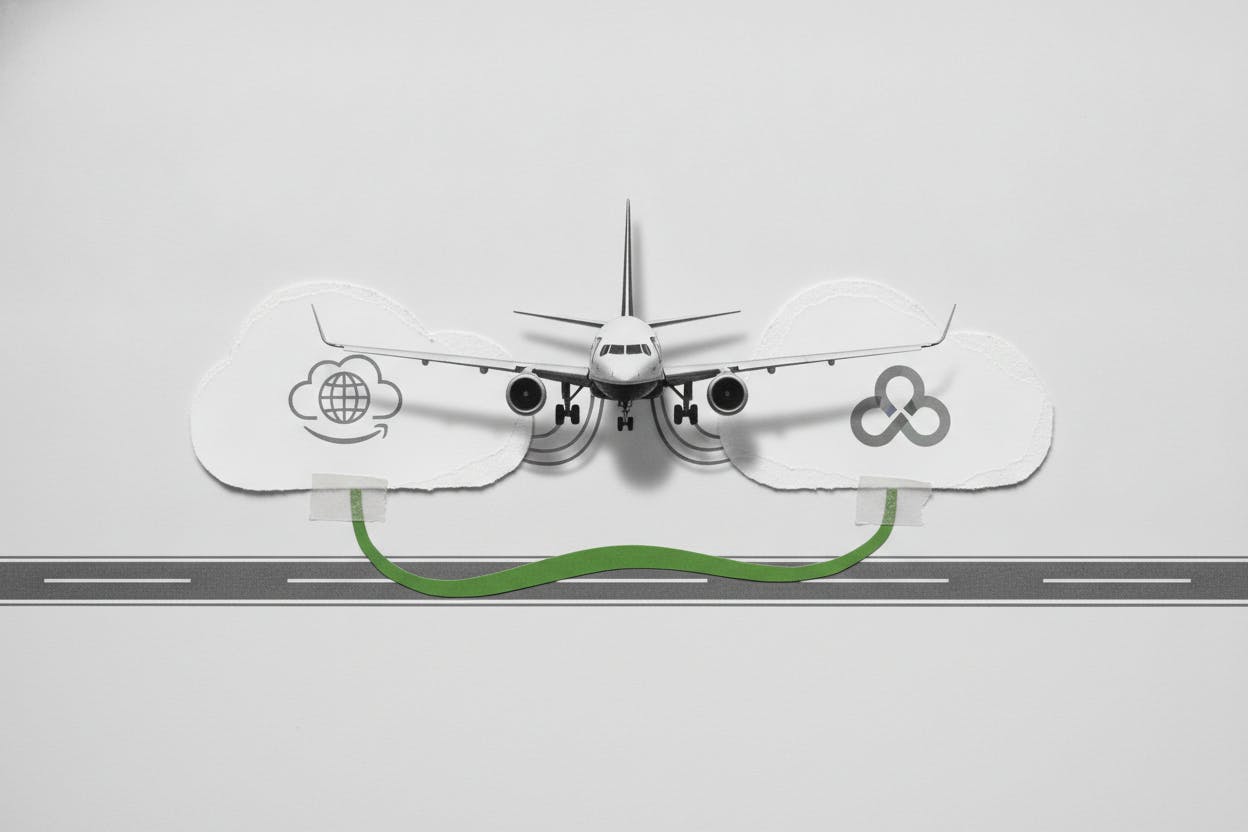
Ryanair, Europe's largest airline by passenger numbers, is bringing Google Cloud into its operations under a five-year agreement. The deal will see the budget carrier deploy Google's Gemini and DeepMind AI models across its business, while keeping Amazon Web Services (AWS) as a second cloud provider. The move is part of Ryanair's push to scale up to 300 million passengers a year by 2034.
The airline plans to roll out Google Workspace and Google Cloud tools to its 35,000 employees. But the headline is artificial intelligence: Ryanair says it will use Gemini Enterprise to build custom "agents" that can automate routine tasks and help optimize crew scheduling. DeepMind models, meanwhile, will feed into areas like maintenance planning and weather-related decisions.
Why a dual-cloud setup matters
Ryanair's decision to add Google Cloud alongside AWS is a notable shift in how the airline approaches its technology infrastructure. For years, AWS has been Ryanair's primary cloud partner, handling everything from booking systems to flight operations. By adding Google Cloud, Ryanair is creating a dual-cloud setup—a strategy that aims to reduce the risk of a single point of failure. If one provider experiences an outage, the other can step in, keeping flights running smoothly.
This resilience is critical for an airline that operates thousands of flights a day across Europe. A cloud failure can ground planes, disrupt bookings, and cost millions in compensation. By spreading its bets, Ryanair is hedging against that risk, much like other airlines have been rethinking their tech partnerships to stay competitive.
For everyday investors, the dual-cloud approach is a reminder that even the most established tech relationships are not set in stone. Companies are increasingly looking to avoid vendor lock-in, and that can create opportunities—and risks—for cloud providers and their shareholders.
What the AI tools will actually do
Ryanair's use of AI is not about replacing pilots or customer service agents overnight. Instead, the airline is focusing on back-office efficiency. Gemini Enterprise, Google's AI platform for businesses, will be used to create custom "agents"—software that can handle routine tasks like answering employee queries, processing paperwork, or flagging scheduling conflicts. This could free up human staff to focus on more complex issues, such as handling disruptions or improving the passenger experience.
DeepMind, Google's AI research lab, is known for its breakthroughs in areas like protein folding and game-playing. In an airline context, DeepMind models can be applied to predictive maintenance—analyzing data from aircraft sensors to predict when parts might fail—and to weather forecasting, helping Ryanair plan routes and avoid delays. These are the kinds of operational improvements that can shave costs and improve punctuality, both of which matter to an airline's bottom line.
Ryanair's move is part of a broader trend. Tech consultancies are seeing a surge in AI-driven projects, and airlines are among the biggest adopters. The industry is notoriously thin-margin, so any efficiency gain can have an outsized impact on profits.
What it means for investors
For Ryanair shareholders, this deal is a signal that the airline is investing in technology to support its ambitious growth targets. The airline has long been a cost leader in European aviation, and AI could help it maintain that edge as it expands. But investors should note that the deal is a multi-year commitment, and the benefits may take time to show up in financial results.
For Google Cloud, this is another high-profile customer win. Google has been investing heavily in AI infrastructure, and landing a major airline like Ryanair validates its strategy. It also puts Google in direct competition with AWS and Microsoft Azure for enterprise AI workloads. Alphabet has been reshuffling its DeepMind leadership as it pushes to commercialize AI, and deals like this are a key part of that effort.
For everyday investors, the takeaway is that AI is moving from hype to practical application. Airlines, banks, and retailers are all finding ways to use AI to cut costs and improve service. That could be good news for companies that provide the underlying technology, but it also means more competition in the cloud market.
As always, it's worth watching how Ryanair executes on this plan. The airline has a track record of squeezing costs, but integrating AI across a workforce of 35,000 is no small task. If it works, Ryanair could set a template for the rest of the industry. If it stumbles, it will be a cautionary tale about the limits of AI in complex operations.