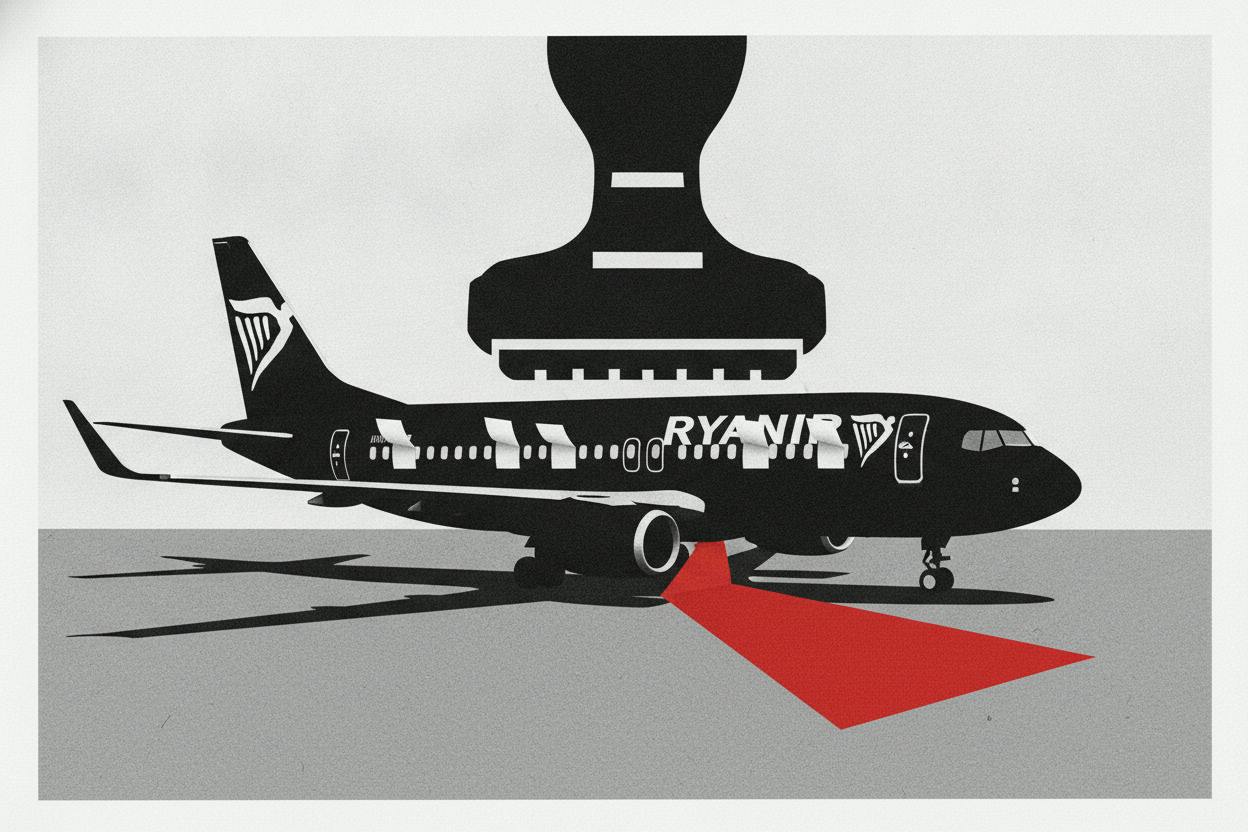
Ryanair's chief executive, Michael O'Leary, has warned that European airfares could climb by as much as 20% next year, as airlines grapple with expensive jet fuel and a sharp increase in taxes in one of its key markets. The warning came as the budget carrier announced it would slash its winter 2026 schedule in Belgium after the country raised its aviation tax by 250%.
For everyday travelers, the message is simple: the era of ultra-cheap flights may be under pressure. O'Leary pointed to two main culprits — fuel costs and government policy — and said airlines would likely try to pass those higher costs onto passengers.
Why fuel and taxes matter so much
Jet fuel is typically one of an airline's largest expenses, often accounting for a quarter to a third of operating costs. When oil prices stay high, carriers face a choice: absorb the hit to their profit margins or raise ticket prices. O'Leary noted that many European airlines have limited fuel hedging, meaning they have less protection against sudden price swings. Hedging is a financial tool that locks in fuel prices in advance, shielding airlines from market volatility. Without it, carriers are more exposed to whatever the oil market does.
Belgium's tax change is the more immediate trigger. Ryanair says that from January next year, the per-passenger levy will be 250% higher than it was two years ago. That is a steep jump for a low-cost carrier, where a flat tax per traveler hits hardest on cheaper, price-sensitive routes. For a budget airline, a fixed tax can wipe out the thin profit on a €20 ticket, making some routes simply not worth operating.
Ryanair plans to cut 1.1 million seats and close 20 routes across Brussels Charleroi and Zaventem airports for winter 2026. That is a significant reduction in capacity for a country that relies heavily on the airline for connections to the rest of Europe.
What fewer flights mean for travelers
When an airline pulls planes out of a market, the immediate effect is less choice. Travelers may lose direct routes and face fewer options on the routes that remain. But there is a second, less obvious effect: with fewer seats available, the remaining flights can often command higher prices, even if demand hasn't changed. That's basic supply and demand — less supply, same demand, higher prices.
This dynamic is especially pronounced on peak travel dates, when flights fill up quickly. The competition that once kept fares low may simply disappear, leaving travelers with fewer bargains and more expensive tickets.
Ryanair's move is also a signal to other governments. The airline has a history of pushing back against what it sees as excessive taxes and fees, and it often follows through by shifting capacity to lower-cost bases. That can put pressure on smaller airports and regional economies that depend on budget tourism.
What it means for investors
For investors, the key takeaway is that Ryanair is managing its network aggressively to protect profitability. By cutting capacity in Belgium, it can redeploy planes to markets where costs are lower and margins are healthier. That is a classic strategy for a low-cost carrier, but it also highlights how vulnerable the industry is to policy changes and fuel price swings.
If oil prices stay elevated and other countries follow Belgium's lead with higher aviation taxes, the entire European airline sector could see pressure on margins. That could mean higher fares across the board, which might actually benefit airlines with strong pricing power — but it could also dampen demand if fares rise too far.
Investors should watch how fuel prices evolve and whether other governments introduce similar tax hikes. The broader energy market, including movements in oil prices, will be a key factor. Also, any sign of inflation picking up could influence central bank policy, which in turn affects consumer spending and travel demand.
Ryanair's warning is a reminder that airline profits are at the mercy of factors beyond the industry's control. For now, the company is taking action to protect its bottom line, but the broader question is whether higher costs will eventually be passed on to passengers — and how that will affect travel demand across Europe.