Copper prices are getting a fresh tailwind from two directions: growing US stockpiles ahead of possible import tariffs and a bullish new forecast from Goldman Sachs. The investment bank raised its end-2026 copper price target to $14,700 a ton, according to a Reuters report, signaling confidence that supply will struggle to keep up with demand in the coming years.
What's driving the move?
Goldman's upgrade is rooted in expectations of tighter supply outside the US. Mining output has been under pressure, with several major producers reporting disruptions. For instance, BHP's copper output fell 19% after problems at its Escondida mine in Chile, and Anglo American also saw dips due to heavy snow in the region. These operational hiccups are part of a broader trend of mines producing less than expected, which Goldman believes will lead to significant market deficits—meaning demand will outstrip supply—over the next couple of years.
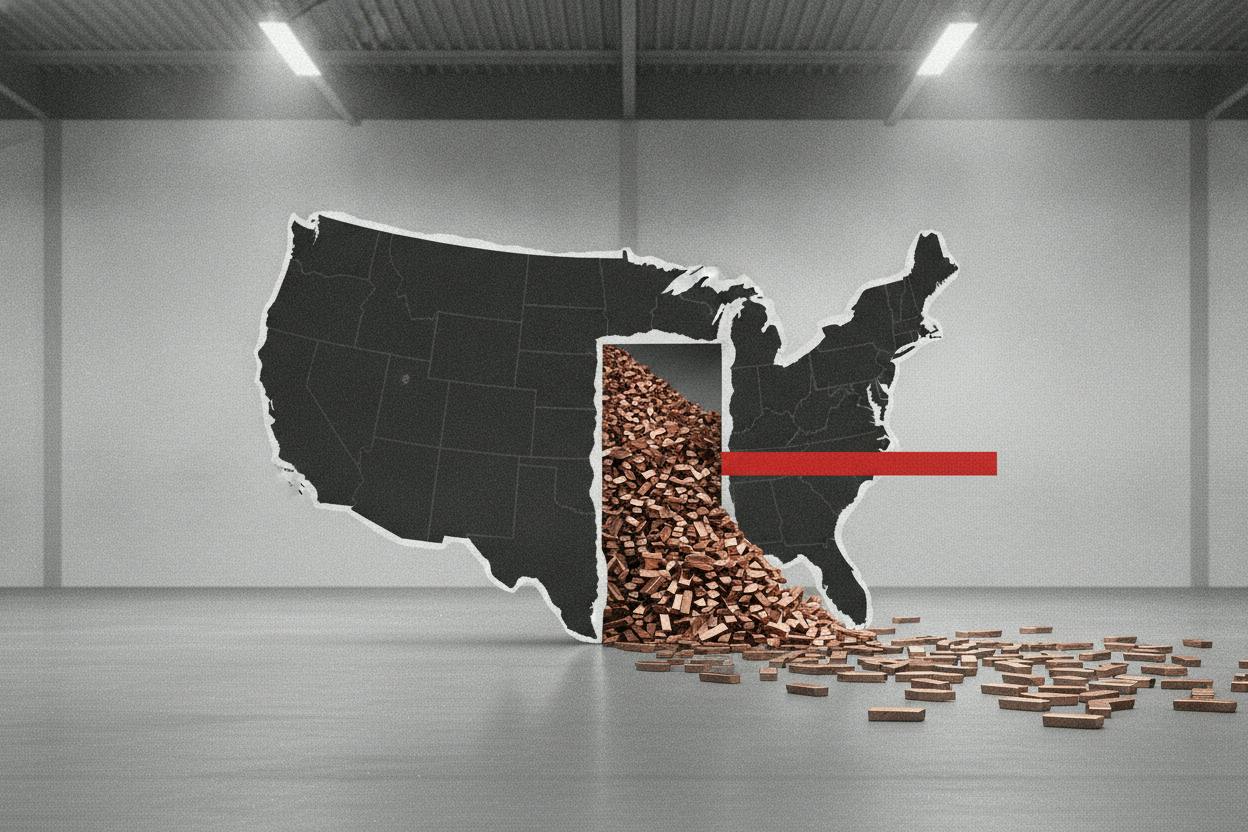
At the same time, US copper stockpiles are building up. This is happening as traders and manufacturers rush to secure metal ahead of potential US import tariffs. The possibility of tariffs has created a divergence: while supply is tightening globally, the US is seeing an artificial glut as metal is pulled into the country to avoid future costs. This dynamic is reflected in the recent addition of a copper delivery hub in Kentucky by the London Metal Exchange, a move that acknowledges the growing importance of US stockpiles.
Why copper matters
Copper is often called "Dr. Copper" because its price is seen as a barometer for global economic health. The metal is used in everything from construction and electronics to electric vehicles and renewable energy infrastructure. When demand for copper rises, it often signals that factories are busy and economies are growing. Conversely, a slump can indicate economic slowdown.
For everyday investors, copper's price movements can have ripple effects. Companies that mine copper—like BHP, Anglo American, and others—see their profits and stock prices influenced by the metal's price. Higher copper prices can boost their earnings, while lower prices can squeeze margins. Additionally, copper is a key input for many industries, so sustained price increases could eventually feed into higher costs for consumers and businesses.
What it means for investors
Goldman's forecast is a notable endorsement of copper's long-term prospects. The bank's view is that supply constraints will persist, driven by declining ore grades, water shortages, and regulatory hurdles in major producing countries. This could support prices even if global economic growth slows. However, investors should be cautious: forecasts are not guarantees, and copper prices can be volatile in the short term.
The US stockpile buildup adds a layer of complexity. If tariffs are imposed, the metal already in the US could become more valuable, but it could also lead to a temporary oversupply in the US market, potentially capping price gains there. On the other hand, if tariffs are not implemented, the stockpiles might be drawn down, which could ease some of the pressure.
For those with exposure to copper through mining stocks or exchange-traded funds, the key is to watch both supply developments and policy decisions. China's economic growth, a major driver of copper demand, will also be a critical factor. If Chinese stimulus measures boost infrastructure spending, that could further tighten the market.
The bigger picture
Copper's outlook is tied to the global transition to cleaner energy. Electric vehicles, solar panels, wind turbines, and power grids all require significant amounts of copper. As countries push to decarbonize, demand for the metal is expected to rise steadily. This structural trend is one reason why analysts like Goldman are bullish despite short-term uncertainties.
Still, the path to $14,700 a ton is not guaranteed. Mining companies are investing in new projects, and higher prices could incentivize more supply. Technological advances in recycling and substitution could also ease pressure. Investors should treat the forecast as one perspective, not a certainty.
In the meantime, the immediate focus is on the US tariff decision and how stockpiles evolve. The earnings season will also provide clues about how mining companies are coping with current conditions. For now, copper's dual narrative—tight supply globally, but swelling inventories in the US—keeps the metal in the spotlight.