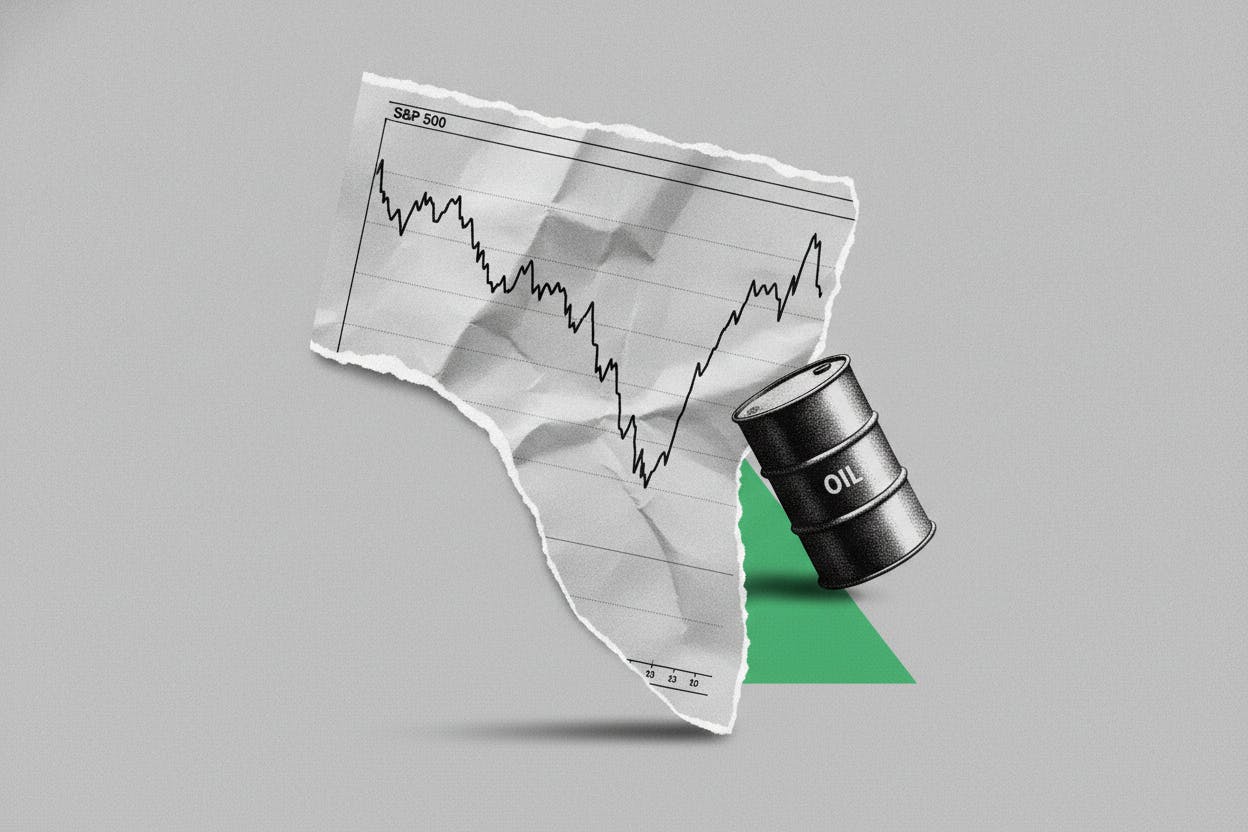
The S&P 500 fell 0.6% this week, marking its second consecutive weekly decline, as a rocky earnings season collided with rising geopolitical risks in the Middle East. The benchmark index was dragged lower by heavyweights Alphabet and Tesla, while energy stocks provided a rare bright spot amid the sell-off.
Tech Giants Disappoint
Alphabet and Tesla, two of the market's most influential stocks, reported quarterly results that failed to impress investors. Alphabet's earnings missed expectations on advertising revenue, while Tesla's profit margins narrowed amid price cuts and slowing demand. Both stocks fell sharply, pulling the broader market down with them.
The weakness in tech is a concern for investors because the sector has been a primary driver of the S&P 500's gains this year. When the largest companies stumble, the entire index feels the impact. For everyday investors, this serves as a reminder that even the most popular stocks can face headwinds, and diversification across sectors is important.
Energy Stocks Rise on Geopolitical Fears
While tech struggled, energy stocks climbed as tensions in the Middle East escalated. Reports of potential US military action against Iran, alongside stalled diplomatic efforts, pushed oil prices higher. The energy sector, which includes companies like Exxon Mobil and Chevron, tends to benefit from rising crude prices because it boosts their revenue and profits.
This week's gain in energy stocks highlights how geopolitical events can create winners and losers in the market. For investors, it's a reminder that events far from Wall Street can have a direct impact on portfolio returns. The link between Middle East tensions and energy prices is well-established, and any disruption to oil supplies from the region can quickly ripple through global markets.
For more on how oil prices are affecting energy stocks, see our coverage of Oil Prices Dip but SLB's Strong Earnings Lift Energy Stocks.
What It Means for Investors
The S&P 500's back-to-back weekly declines suggest that the market is struggling to find direction. Investors are trying to balance two competing forces: a corporate earnings season that is showing cracks, and geopolitical risks that could disrupt global trade and energy supplies.
Earnings season is a critical period for investors because it provides a snapshot of how companies are performing. When big names like Alphabet and Tesla disappoint, it raises questions about the health of the broader economy. Meanwhile, geopolitical tensions add another layer of uncertainty, making it harder for investors to predict where markets are headed next.
For the average investor, the key takeaway is to stay focused on long-term goals rather than reacting to short-term market moves. While weeks like this can be unsettling, they are a normal part of investing. The S&P 500 has historically recovered from pullbacks, and periods of volatility often create buying opportunities for those with a steady hand.
Looking ahead, investors will be watching for further earnings reports from major companies, as well as any developments in the Middle East that could affect oil prices. The energy sector's recent strength may continue if tensions persist, but a de-escalation could quickly reverse those gains.
For more on how geopolitical events are impacting markets, check out our analysis of Oil Slips on Friday but Posts 11% Weekly Gain as Middle East Tensions Persist.
In the meantime, investors should keep an eye on the broader economic backdrop. Interest rates remain elevated, and the Federal Reserve's next move will be crucial for market direction. For now, the S&P 500's decline is a reminder that markets don't move in a straight line, and patience is often rewarded.



