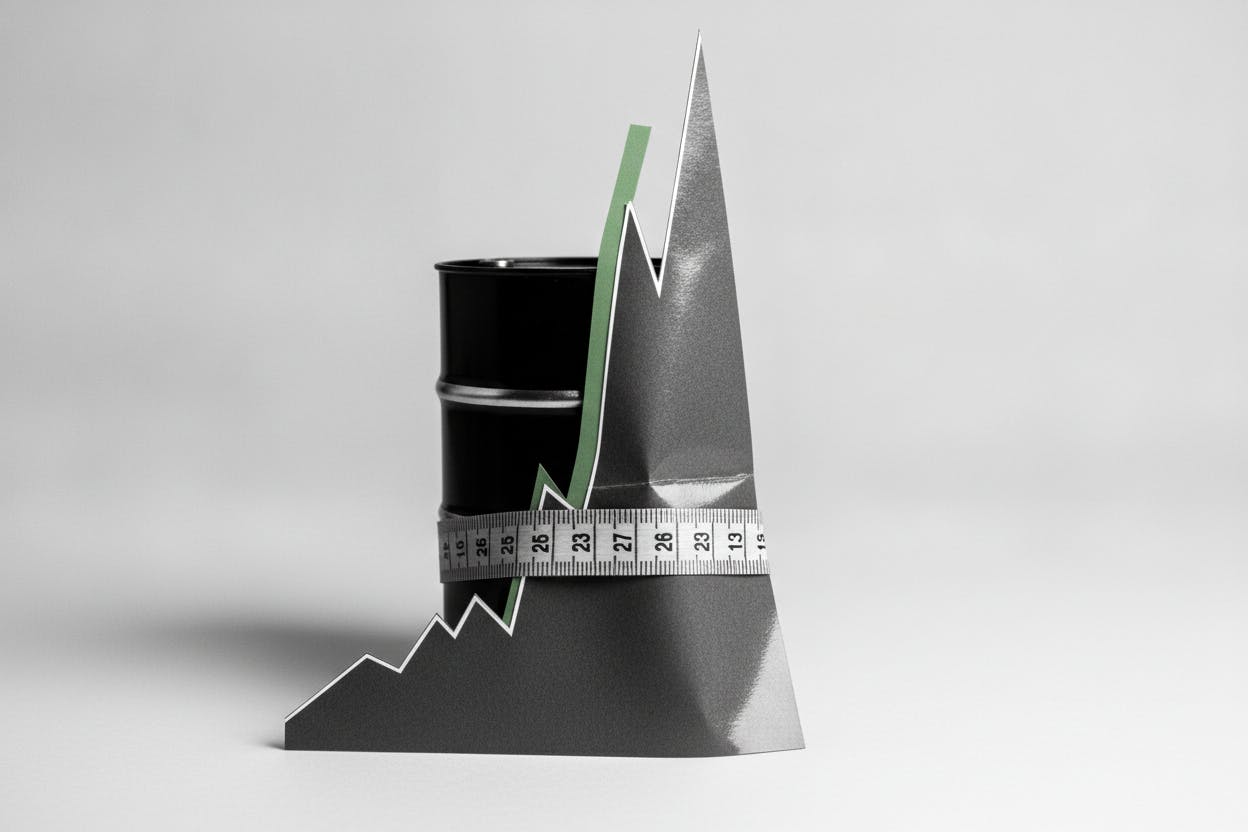
Stocks are entering a high-stakes week that could determine whether the market's recent rally has legs. With the S&P 500 sitting close to its early-June record, investors are bracing for a trio of potential catalysts: June inflation data, earnings from the biggest US banks, and escalating tensions between the United States and Iran that threaten to disrupt global oil supplies and shipping routes.
What's on the table this week
The June Consumer Price Index (CPI), due out Tuesday, is the marquee economic release. CPI measures the change in prices paid by consumers for goods and services and is a key gauge the Federal Reserve watches when setting interest rates. A hotter-than-expected reading could reinforce the case for keeping rates higher for longer, while a cooler number might revive hopes for a cut later this year.
At the same time, earnings season kicks off with results from several of the largest US banks. Their reports are often seen as a bellwether for the broader economy, because they reveal how consumers and businesses are faring with borrowing, spending, and saving. Strong earnings could bolster confidence in corporate profits, which have been a key driver of the S&P 500's climb.
Adding to the mix, renewed friction between the US and Iran has put oil prices and shipping lanes back on investors' radar. Any sustained jump in fuel or freight costs can feed into inflation and, eventually, influence interest-rate expectations. This dynamic has already been felt in other markets: Hong Kong stocks edged higher recently as a chip rally offset those same geopolitical concerns.
Why this matters for investors
The S&P 500's run to near-record levels has been built on two main pillars: strong corporate earnings and the assumption that geopolitical risks, particularly in the Middle East, would not seriously disrupt global trade. This week tests both assumptions at once.
If inflation comes in hot and banks report weak earnings, the market could face a double blow. Higher inflation would push back expectations for rate cuts, making stocks less attractive relative to bonds. Weak bank earnings would raise questions about the health of the consumer and the broader economy.
On the other hand, a benign CPI print and solid bank results could reinforce the narrative that the economy is on solid footing without overheating, giving the rally room to continue. The Iran factor, however, adds an unpredictable element. Oil prices have already been volatile, and any escalation could ripple through energy stocks and shipping costs, affecting everything from airline profits to consumer goods prices.
Investors have also been rotating into certain sectors. For instance, Hong Kong tech stocks surged 8% this week as money moved into Chinese internet names, a sign that global investors are still hunting for growth despite uncertainties.
What to watch next
Beyond the immediate data and earnings, markets will be watching for any signals from the Federal Reserve about its next policy move. The central bank has held rates steady since July 2023, and most officials have indicated they need to see more progress on inflation before cutting. Tuesday's CPI report could shift that timeline.
Oil markets will also be in focus. Any disruption to shipping through the Strait of Hormuz, a critical chokepoint for global oil shipments, could send prices sharply higher. That would not only hit energy stocks but also feed into inflation, complicating the Fed's job.
For everyday investors, the key takeaway is that this week could set the tone for the rest of the summer. The S&P 500's record highs have been built on optimism, but that optimism now faces a reality check from inflation data, corporate earnings, and geopolitical risk. As always, diversification and a long-term perspective remain important tools for navigating such uncertainty.
In related news, TCS revenue beat lifted Indian stocks as oil prices held steady, showing that strong earnings can still buoy markets even when energy costs are a concern. Meanwhile, Malaysia's palm oil stockpiles hit a record June high, highlighting how commodity markets are also reacting to shifting supply and demand dynamics.



