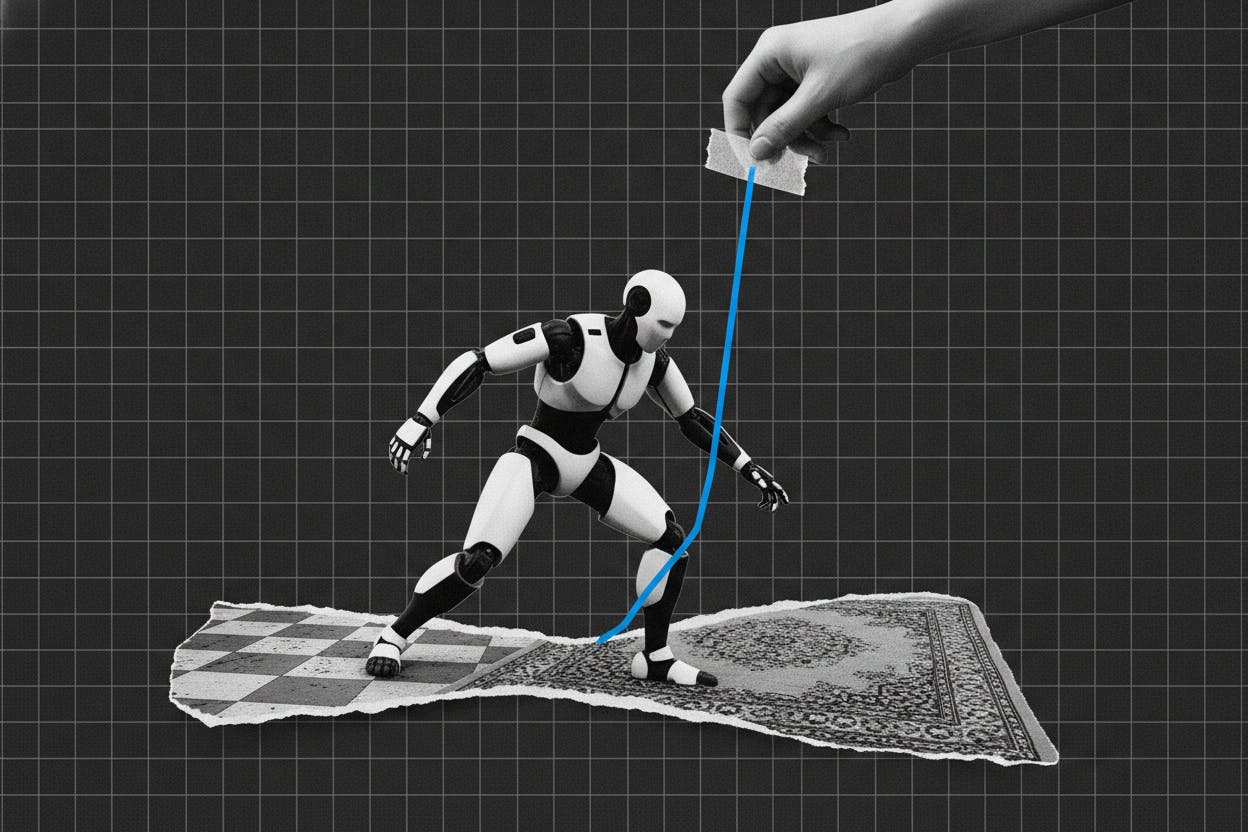
Samsung Electronics is making a bold bet on robotics. The South Korean tech giant has created a new division called RX (short for Robotics eXperience) that will report directly to CEO Jong-Hee Han. The move signals Samsung's ambition to push humanoid robots beyond factory floors and into everyday settings like homes and retail stores.
The new unit will establish research hubs in the United States, China, and Japan — three of the world's largest markets for robotics and artificial intelligence. By placing the division directly under the CEO, Samsung is signaling that robotics is a strategic priority, not just an experimental side project.
What Is Samsung's RX Division?
The RX division is tasked with developing and commercializing humanoid robots — machines designed to look and move like people. Until now, most of Samsung's robotics work has been scattered across different business units. This reorganization centralizes those efforts under one roof with a clear chain of command.
Samsung already has a track record in robotics. It owns a majority stake in Samsung Electronics America, which has been involved in robotics research. The company has also shown off prototypes like the Samsung Bot series, including robots that can assist with household chores or provide companionship. But those products have remained largely in the demonstration phase.
With the RX division, Samsung appears ready to move from prototypes to production. The company is likely eyeing the same wave of interest in humanoid robots that has attracted investment from other tech giants and startups. Companies like Tesla and Boston Dynamics have been working on their own humanoid robots, and the market is expected to grow significantly in the coming years.
Why Humanoid Robots Matter
Humanoid robots are designed to operate in environments built for people — factories, warehouses, offices, and homes. Unlike traditional industrial robots that are bolted to the floor, humanoid robots can walk, climb stairs, and use tools designed for human hands. That flexibility makes them attractive for tasks like assembly, logistics, and elder care.
For Samsung, the push into humanoid robots aligns with its broader strategy of integrating hardware, software, and artificial intelligence. The company is already a major player in semiconductors, displays, and consumer electronics. Adding robotics could create new revenue streams and deepen its presence in the AI-driven automation market.
The decision to set up research hubs in the US, China, and Japan is strategic. The US is home to leading AI and robotics research. China is the world's largest manufacturing economy and a key market for automation. Japan has a long history of robotics innovation and an aging population that could benefit from robotic assistance.
What It Means for Investors
For everyday investors, Samsung's robotics push is a long-term story. The company is not expected to generate significant revenue from humanoid robots anytime soon. But the creation of a dedicated division reporting to the CEO suggests that Samsung is serious about making robotics a core part of its business.
Investors should watch for updates on Samsung's robotics progress in future earnings calls and product announcements. The company's ability to commercialize humanoid robots will depend on factors like cost, reliability, and regulatory approval. If Samsung succeeds, it could open up a new growth avenue beyond its traditional smartphone and memory chip businesses.
The robotics move also comes at a time when Samsung is navigating challenges in other areas. The company recently announced job cuts in New Jersey as part of a broader restructuring. Meanwhile, the global chip market is facing headwinds, with US chip stocks tumbling into bear market territory and China pushing its own AI models. Diversifying into robotics could help Samsung reduce its reliance on the cyclical semiconductor industry.
Broader Context: The Race for Humanoid Robots
Samsung is not alone in chasing humanoid robots. Tesla has been developing its Optimus robot, while Boston Dynamics (owned by Hyundai) has shown off its Atlas robot. Chinese companies like Xiaomi and UBTech are also in the race. The competition is heating up as advances in AI and sensor technology make humanoid robots more practical.
However, the path to mass adoption is still long. Humanoid robots remain expensive and technically challenging. They require sophisticated software for balance, navigation, and manipulation. Battery life and safety are also concerns. Analysts expect the market to grow gradually, with early applications in industrial settings before expanding to consumer use.
Samsung's RX division will need to overcome these hurdles. The company's deep pockets and expertise in manufacturing could give it an edge. But investors should temper expectations for near-term profits. Robotics is a capital-intensive business with long development cycles.
What to Watch Next
Investors should keep an eye on Samsung's research hubs in the US, China, and Japan. The company may announce partnerships with universities or startups in those regions. Product launches or pilot programs with major customers would be positive signals.
Also worth watching is how Samsung integrates robotics with its other businesses. The company's AI capabilities and semiconductor division could play a key role in powering its robots. If Samsung can combine its strengths in chips, displays, and AI with robotics, it could create a competitive advantage.
For now, the creation of the RX division is a statement of intent. Samsung is betting that humanoid robots will be a major part of the future — and it wants to be at the forefront.