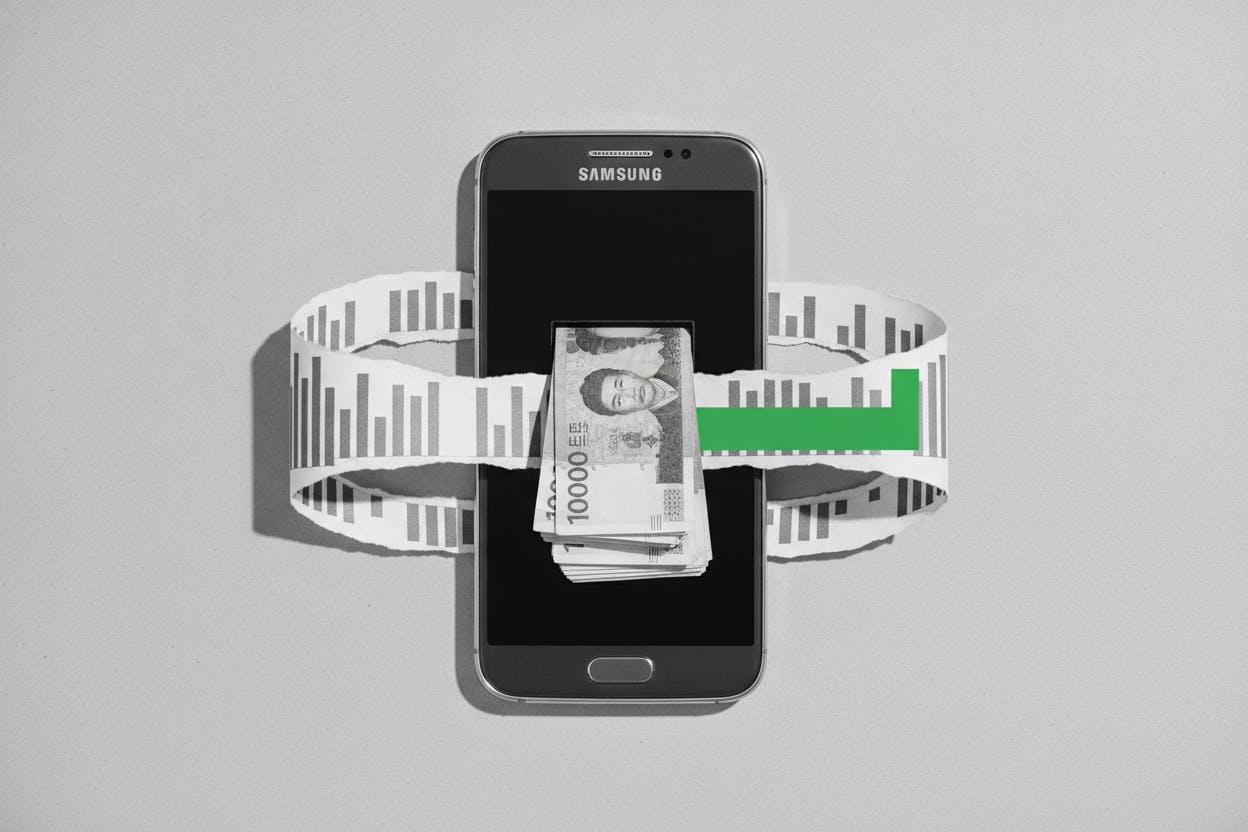
Samsung Electronics is preparing to unveil a new shareholder return plan that could be its largest ever, with South Korean media reporting the figure may exceed 100 trillion won (about $71.75 billion). The company is expected to discuss the plan at a board meeting on Friday, according to Reuters.
The potential payout comes on the back of a surge in profits from Samsung's semiconductor division, fueled by booming demand for artificial intelligence chips. The company has already raised chip prices by up to 15% as AI demand fills its foundry capacity, a sign of the pricing power that has boosted its bottom line.
What's behind the payout talk?
Samsung has a history of returning cash to shareholders through dividends and share buybacks, but the scale of this potential plan is notable. A 100 trillion won payout would dwarf previous programs and reflect the company's confidence in its cash generation. The exact structure—whether it will be dividends, buybacks, or a mix—has not been confirmed, but investors are watching closely.
The move also comes as Samsung faces pressure from activist investors and a broader trend among global tech giants to reward shareholders after periods of heavy capital spending. In recent years, Samsung has committed to returning 50% of its free cash flow to shareholders, and this new plan could extend or enhance that commitment.
Why now?
Samsung's AI windfall has been a key driver. The company's memory chip business, particularly high-bandwidth memory (HBM) used in AI servers, has seen explosive demand. This has led to record profits and a strong balance sheet, giving Samsung the firepower to make a large payout.
At the same time, Samsung's stock has faced headwinds. The KOSPI index dropped 5.8% recently as chip giants fell on a bond yield surge, and Samsung shares have been volatile. A big payout could help support the stock price and signal management's confidence in future earnings.
What it means for investors
For everyday investors, a large shareholder return plan could mean higher dividends and potential share price support through buybacks. If the plan is confirmed, it would likely be a positive catalyst for Samsung's stock, which is a major component of the KOSPI and a bellwether for the global tech sector.
However, investors should note that the plan is still under discussion and could change. The final figure and structure will be announced after the board meeting, and the market will react to the details. A payout of this size would also reduce Samsung's cash reserves, which could limit future investment in new technologies or acquisitions.
For those holding Samsung shares, the key is to watch for the official announcement and assess whether the payout is sustainable. Companies in cyclical industries like semiconductors often use buybacks to return cash during boom periods, but they may cut back during downturns. Samsung's ability to maintain its AI-driven growth will be crucial to funding future payouts.
In the broader context, Samsung's move is part of a trend of tech giants returning cash to shareholders. For example, BHP boosted its dividend payout to 66% as it focused on copper, and other companies are following suit. This shift toward shareholder returns reflects a maturing of the tech sector, where growth is still strong but capital discipline is increasingly valued.
Investors should also consider the potential impact on the Korean market. A large payout from Samsung could boost the KOSPI and attract foreign investment, which has been fleeing some emerging markets due to regulatory concerns. However, the exact effect will depend on how the plan is structured and whether it meets investor expectations.
In the meantime, all eyes will be on Friday's board meeting. If the plan is confirmed, it could be one of the largest shareholder return programs in Asian corporate history, and a clear sign that Samsung is committed to rewarding its investors after its AI windfall.