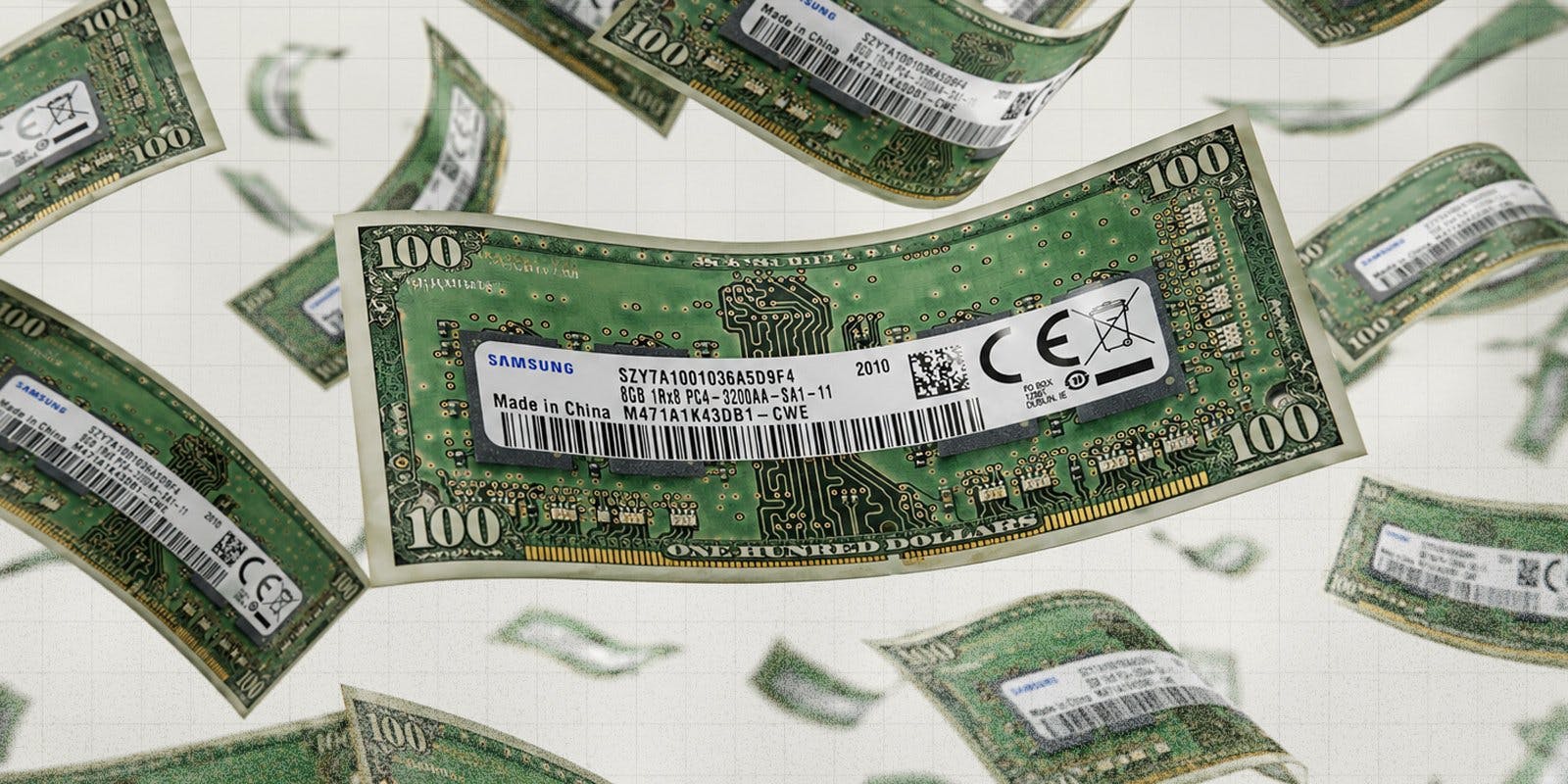
Samsung Electronics, the world's largest memory chipmaker, announced on Friday that it will return between $65 billion and $80 billion to shareholders this year through a combination of share buybacks and dividends. The payout plan is five times larger than its previous record in 2020, signaling a major shift in how the South Korean tech giant is prioritizing investor returns.
The announcement comes at a critical time for Samsung, whose share price has been under pressure despite a surge in profits. The company has been a major beneficiary of the global AI infrastructure boom, with demand for its high-bandwidth memory chips soaring as data centers and AI developers race to expand capacity. That windfall has left Samsung flush with cash, and it is now using that firepower to win back investor confidence.
Why the big payout now?
Samsung's profits have skyrocketed since the start of the AI spending spree, with a significant portion of that revenue coming from the memory chips it sells. The company has also raised chip prices by up to 15% as AI demand fills its foundry capacity, further boosting its cash reserves.
But despite these strong fundamentals, Samsung's stock has struggled to keep pace. Investors have been wary of the cyclical nature of the memory chip business, as well as intense competition from rivals like SK Hynix and Micron. The new buyback program is a clear attempt to address that skepticism and signal that management is committed to rewarding shareholders.
The plan is also notable for its scale. Returning up to $80 billion in a single year is a bold move, especially for a company that has historically been conservative with its capital allocation. It suggests that Samsung's board believes the stock is undervalued and that buying back shares is a better use of cash than other investments.
What it means for investors
For everyday investors, the announcement is a positive sign that Samsung is listening to shareholder concerns. Buybacks can support a stock price by reducing the number of shares outstanding, which boosts earnings per share. Dividends, meanwhile, provide a direct cash return to investors.
However, it's important to keep the bigger picture in mind. Samsung's fortunes are closely tied to the AI cycle, and while demand for memory chips is strong now, the industry has a history of boom-and-bust swings. The company's ability to sustain these payouts will depend on whether AI-driven demand continues to grow.
Investors should also note that this is a plan for this year, not a permanent commitment. Future payouts will likely depend on Samsung's earnings and its need for capital to fund new factories and research. The company has already seen rivals like Micron invest heavily in AI memory research, so Samsung will need to balance shareholder returns with long-term competitiveness.
Broader market context
Samsung's move comes amid a broader trend of companies returning cash to shareholders. In South Korea, the government has been pushing for better corporate governance and higher shareholder returns, a campaign known as the "Corporate Value-up Program." Samsung's announcement could be seen as a response to that pressure, as well as to investor demands for more accountability.
The news also arrives as South Korean stocks have been volatile, with geopolitical tensions and global economic uncertainty weighing on sentiment. A large buyback program from the country's most valuable company could provide some support to the broader market.
For investors holding Samsung shares, the plan is a welcome development. But it's worth remembering that buybacks and dividends are just one part of the equation. The company's long-term growth will depend on its ability to maintain its technological edge in memory chips and expand into new areas like AI and foundry services.
As always, it's wise to consider how this fits into your overall portfolio and risk tolerance. Samsung's stock is likely to remain sensitive to AI demand and chip prices, so investors should be prepared for volatility even with the new payout program in place.