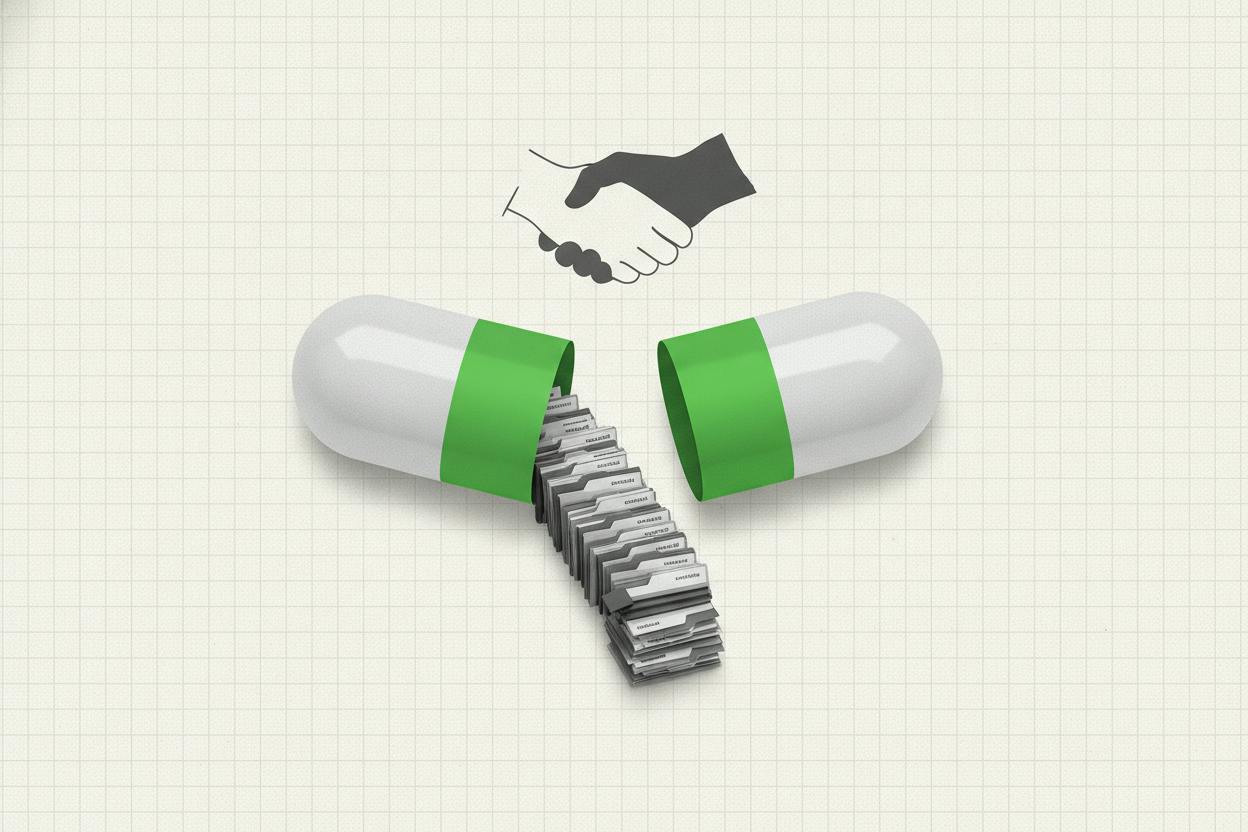
Sanofi's long-promised overhaul of its research and development operations is beginning to show tangible results, according to analysts at Berenberg. After meeting with the French drugmaker's top management in London, the investment bank said the company's strategy is becoming clearer, with a more detailed update expected on a mid-December investor call. But Berenberg also cautioned that Sanofi's biggest challenge remains "refilling" its late-stage pipeline—the therapies closest to market that can support sales well into the next decade.
From slides to execution
Berenberg said the R&D reset is moving from presentations to actual execution. The bank cited pipeline reshuffles and changes in how clinical trials are run as evidence that the overhaul is taking hold. For a company of Sanofi's size, such changes are often slow to show up in the numbers, but the analyst meeting suggests management is now focused on delivering, not just planning.
Still, near-term catalysts look limited. Several key clinical updates highlighted by Berenberg are not expected until the second half of 2027. That leaves a gap between now and then, during which Sanofi will need to rely on its existing portfolio—and on Dupixent, its blockbuster immunology drug, in particular.
Dupixent's cooling growth
Dupixent has been Sanofi's main growth engine for years, treating conditions like asthma, eczema, and nasal polyps. But Berenberg expects its growth to slow in 2027 as comparisons get tougher. This year, the drug got a one-off boost from the 340B program, a US discount scheme that can shift reported sales timing and mix. Once that tailwind fades, Dupixent's growth rate will likely look less impressive.
That is why Berenberg says Sanofi's biggest job is refilling its late-stage pipeline. The company needs new therapies that are close to market to take over from Dupixent and support sales into the next decade. Without those, the growth story could lose momentum.
What it means for investors
Berenberg lifted its 2026-2028 sales and profit forecasts for Sanofi, but kept its price target unchanged at €105. That combination—higher earnings estimates but the same target—often signals a higher "risk discount." In plain terms, the analyst is willing to assume more earnings but is less willing to pay the same valuation multiple for them.
For Sanofi, this suggests the market may wait for clearer proof of what comes after Dupixent. That proof could come from late-stage trial wins or from acquisitions that add nearer-term products. Until then, upside in the stock looks tied less to small model tweaks and more to whether Sanofi can de-risk its next wave of medicines and execute any deals cleanly.
This is a common situation for large pharmaceutical companies. When a blockbuster drug approaches its peak, investors start looking for the next growth driver. Companies that can fill their pipelines through internal research or external deals tend to maintain their valuations; those that cannot often see their shares stagnate.
Sanofi's management has signaled it is open to dealmaking, and the broader industry has seen a wave of M&A activity as companies look to bolster their pipelines. The recent flow of M&A money across sectors shows that investors are rewarding companies that use deals to strengthen their growth profiles.
For everyday investors, the key takeaway is that Sanofi's story is still a work in progress. The R&D reset is showing signs of life, but the real test will come in the next few years as Dupixent's growth cools and the company needs new products to step up. Berenberg's unchanged target suggests the stock may not move much until there is clearer evidence of success.
Investors should also keep an eye on the mid-December investor call, where management is expected to provide more details on the strategy. That could be a catalyst, either positive or negative, depending on what is announced.
In the meantime, Sanofi remains a company in transition. Its pipeline is being reshaped, its trials are being run differently, and its growth engine is slowing. Whether the reset pays off will depend on execution—and on whether Sanofi can make the right deals to fill the gap.