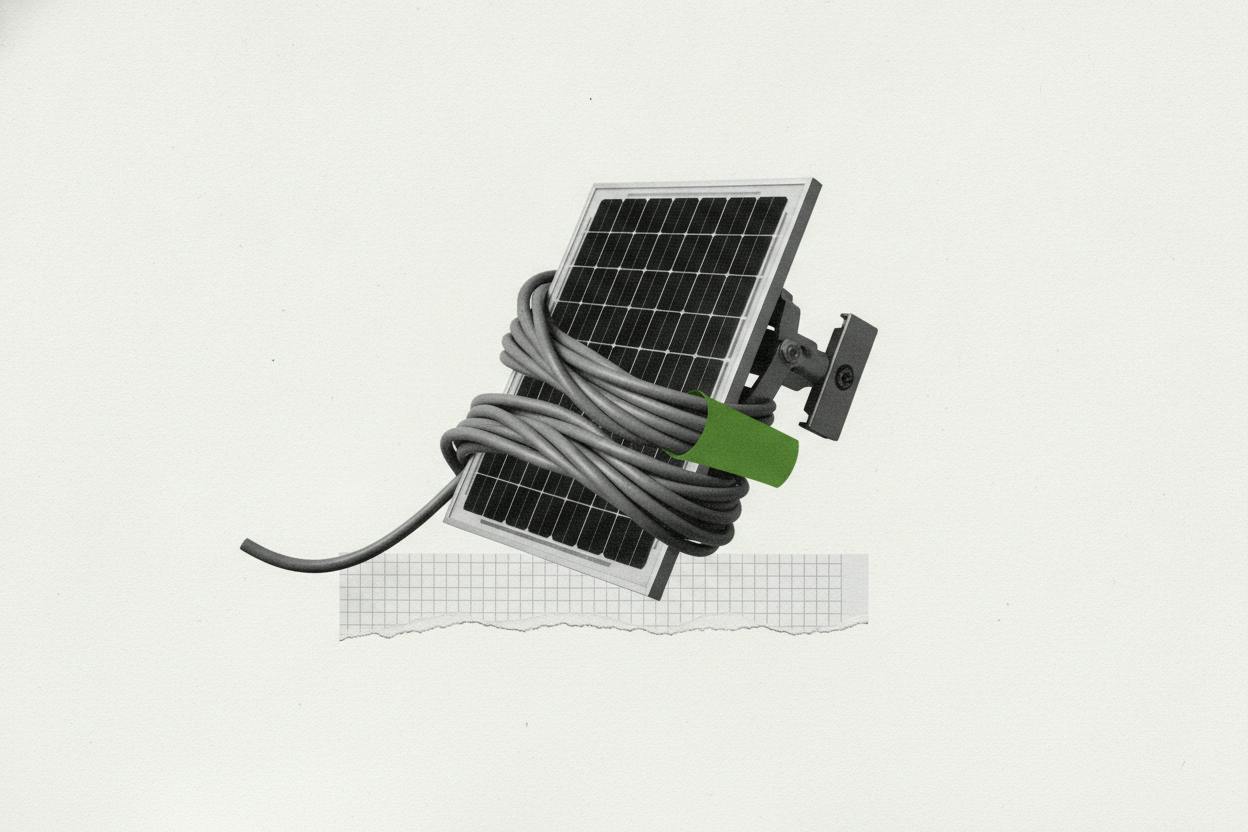
Solar equipment makers ARRAY Technologies and Shoals Technologies Group have agreed to merge in a $1.32 billion all-stock deal, the companies announced. The transaction, expected to close in the first quarter of 2027, will pair ARRAY's solar tracking systems with Shoals' electrical components, creating a one-stop shop for solar developers.
What each company brings
ARRAY Technologies designs and manufactures the hardware that holds and moves solar panels. Its main products include solar trackers—motorized frames that tilt panels to follow the sun throughout the day—and fixed mounting systems. These components are critical for maximizing energy output from a solar installation.
Shoals Technologies Group, on the other hand, focuses on the electrical side of solar projects. The company sells wiring, cable management, and other electrical balance-of-system products that connect solar panels to inverters and the grid. While less visible than the panels themselves, these components are essential for safely and efficiently transmitting the electricity generated.
By combining, the two companies aim to offer solar developers a more complete equipment package. Instead of sourcing trackers from one vendor and electrical components from another, developers could buy both from a single supplier. This could shorten installation timelines and reduce compatibility issues that sometimes arise when mixing equipment from different manufacturers.
Deal structure and ownership
The merger is structured as an all-stock transaction, meaning no cash will change hands. Under the terms, Shoals shareholders are set to own approximately 65% of the combined company after the deal closes. ARRAY shareholders will own the remaining 35%.
All-stock deals are common in the solar industry, where companies often use their shares as currency to combine operations without taking on debt. For shareholders, this means the value of the deal depends on how the market prices the combined company's stock after the merger.
The deal is expected to close in the first quarter of 2027, subject to regulatory approvals and shareholder votes from both companies. Until then, the two firms will continue to operate independently.
Why this matters for investors
For everyday investors, this merger is a sign of consolidation in the solar equipment sector. As solar developers look for ways to cut costs and speed up project timelines, suppliers that can offer a broader range of products may have a competitive edge. The combined company could benefit from cross-selling opportunities and cost savings from shared operations.
However, all-stock deals also carry risks. If the combined company's stock underperforms, shareholders on both sides could see the value of their holdings decline. Additionally, integrating two companies with different cultures and product lines can be challenging, and the expected benefits may take time to materialize.
Investors should also note that the deal is not expected to close until 2027, leaving plenty of time for market conditions to change. The solar industry is sensitive to interest rates, government incentives, and competition from cheaper energy sources, all of which could affect the combined company's prospects.
Broader market context
The merger comes at a time when solar stocks have been volatile, partly due to fluctuating energy prices and shifting policy support. While the long-term outlook for solar remains positive, near-term headwinds include supply chain disruptions and rising financing costs.
For those watching the sector, this deal could signal that solar equipment makers are looking to scale up to better compete with larger rivals. It also highlights the importance of offering integrated solutions rather than standalone products.
As with any merger, investors should keep an eye on how the deal progresses and whether any regulatory hurdles emerge. The companies have not provided a timeline for when they expect to receive approvals, but they have indicated that the transaction is expected to close in early 2027.
For now, the merger is a notable development in the solar industry, but its ultimate success will depend on execution and market conditions in the years ahead.