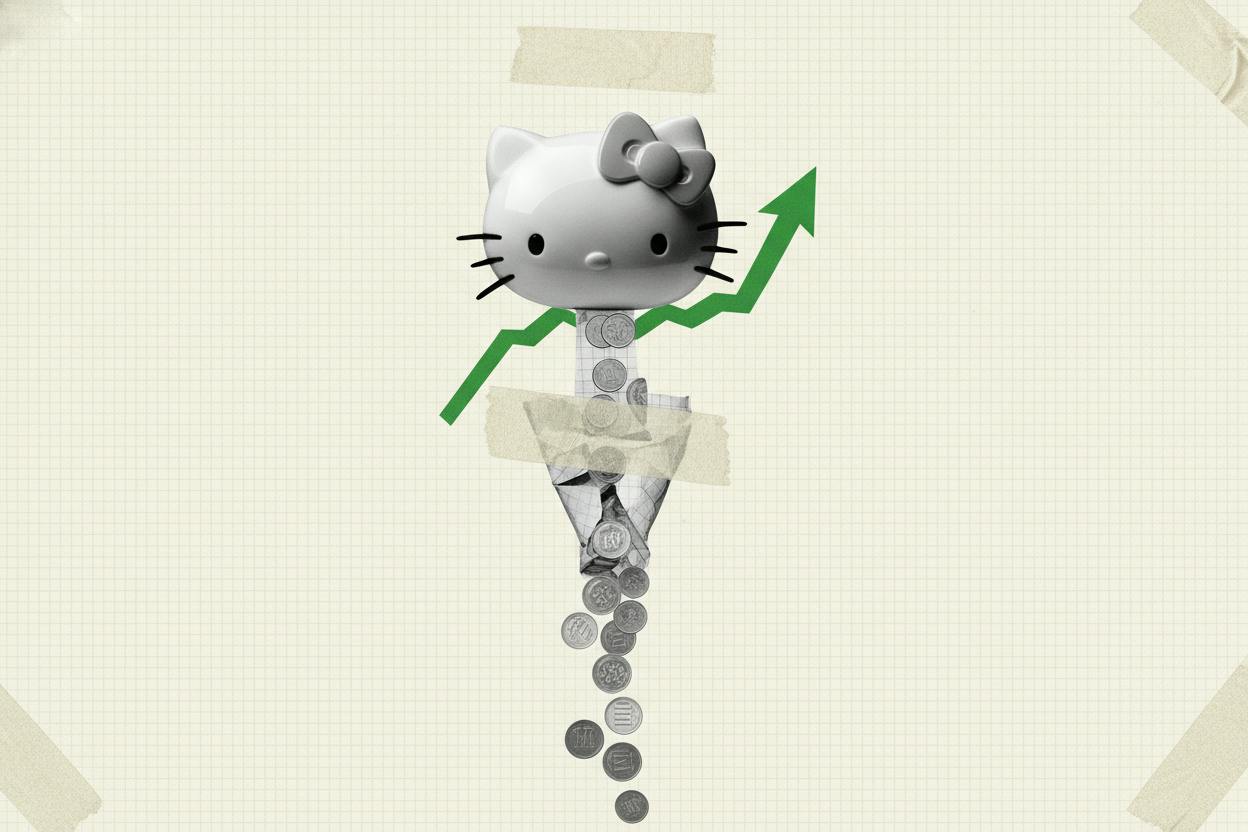
Sanrio, the Japanese company behind Hello Kitty and other beloved characters, reported a jump in first-half net sales, but investors may be more focused on a sharp cut to its dividend. For the six months ended Sept. 30, net sales rose to 107.7 billion yen from 87.7 billion yen a year earlier, driven by strong demand for its iconic characters. However, the company reduced its second quarter-end dividend to 8 yen per share, down from 31 yen in the same period last year.
Sales growth outpaces profit growth
The results highlight a familiar trend for Sanrio: sales are growing faster than profits. While net sales climbed by about 23% year over year, profit attributable to owners of the parent increased to 29.2 billion yen, and earnings per share rose to 23.94 yen. That suggests the company is spending more to fuel growth—whether on marketing, new product development, or expanding its global footprint—which can squeeze margins even as revenue expands.
Sanrio's character portfolio, which includes Hello Kitty, My Melody, and Cinnamoroll, has enjoyed a resurgence in popularity, particularly among younger consumers and in international markets. The company has leveraged this through licensing deals, collaborations, and themed merchandise, which often carry high margins but also require upfront investment.
Why the dividend cut matters
The dividend reduction is a notable shift in Sanrio's approach to returning cash to shareholders. A year ago, the company paid a 31 yen dividend for the same period, so the new 8 yen payout represents a significant decrease. For income-focused investors, this is a clear signal that management is prioritizing reinvestment over shareholder payouts, at least for now.
Companies often cut dividends to preserve cash for strategic initiatives, such as acquisitions, capacity expansion, or paying down debt. In Sanrio's case, the move could indicate that management sees better opportunities to invest in growth rather than return cash to investors. However, it could also be a response to rising costs or a more cautious outlook on future cash flows.
What it means for investors
For everyday investors, the key takeaway is that Sanrio's business is growing, but the financial rewards are being channeled back into the company rather than into shareholders' pockets. This is not necessarily a bad thing—if the reinvestment pays off, it could lead to higher profits and, eventually, larger dividends or a higher share price. But it does change the risk-reward profile for investors who were counting on steady income.
Investors should also note that Sanrio's sales growth is coming from a strong brand, but the company faces challenges common to many consumer goods firms: rising input costs, currency fluctuations, and shifting consumer preferences. The dividend cut could be a prudent move to build a financial cushion, or it could be a warning sign that management expects tougher times ahead.
Looking at the broader market, Sanrio's results come as other consumer-facing companies are also navigating a mixed environment. For instance, Costco's October sales jumped even as consumer stocks slipped, showing that spending remains resilient in some areas. Meanwhile, Zoetis warned of price-sensitive pet owners as vet visits slipped, a reminder that even loyal customers can pull back when budgets tighten.
Sanrio's ability to grow sales in this environment is a positive sign, but the dividend cut suggests management is being cautious about the future. Investors will likely watch the company's next earnings report for clues about whether the reinvestment strategy is paying off and whether the dividend will be restored to previous levels.
Looking ahead
Sanrio's next major catalyst will be its full-year results, which will show whether the sales momentum continued through the holiday season. The company's character licensing business is often seasonal, with strong demand around gift-giving occasions. If sales remain robust and profit margins improve, the dividend cut could prove to be a temporary measure. However, if growth slows or costs rise further, investors may see the reduced payout as a new normal.
For now, the message from Sanrio is clear: growth is the priority, and shareholders will have to wait for the benefits. As always, investors should consider their own financial goals and risk tolerance when evaluating a stock like Sanrio, which offers both growth potential and income uncertainty.