Banco Santander, one of Europe's largest banks, delivered a stronger-than-expected third-quarter result, with underlying net profit climbing 19% to €3.85 billion. The beat was powered by robust growth in the United States and Britain, which helped offset a softer showing in Brazil.
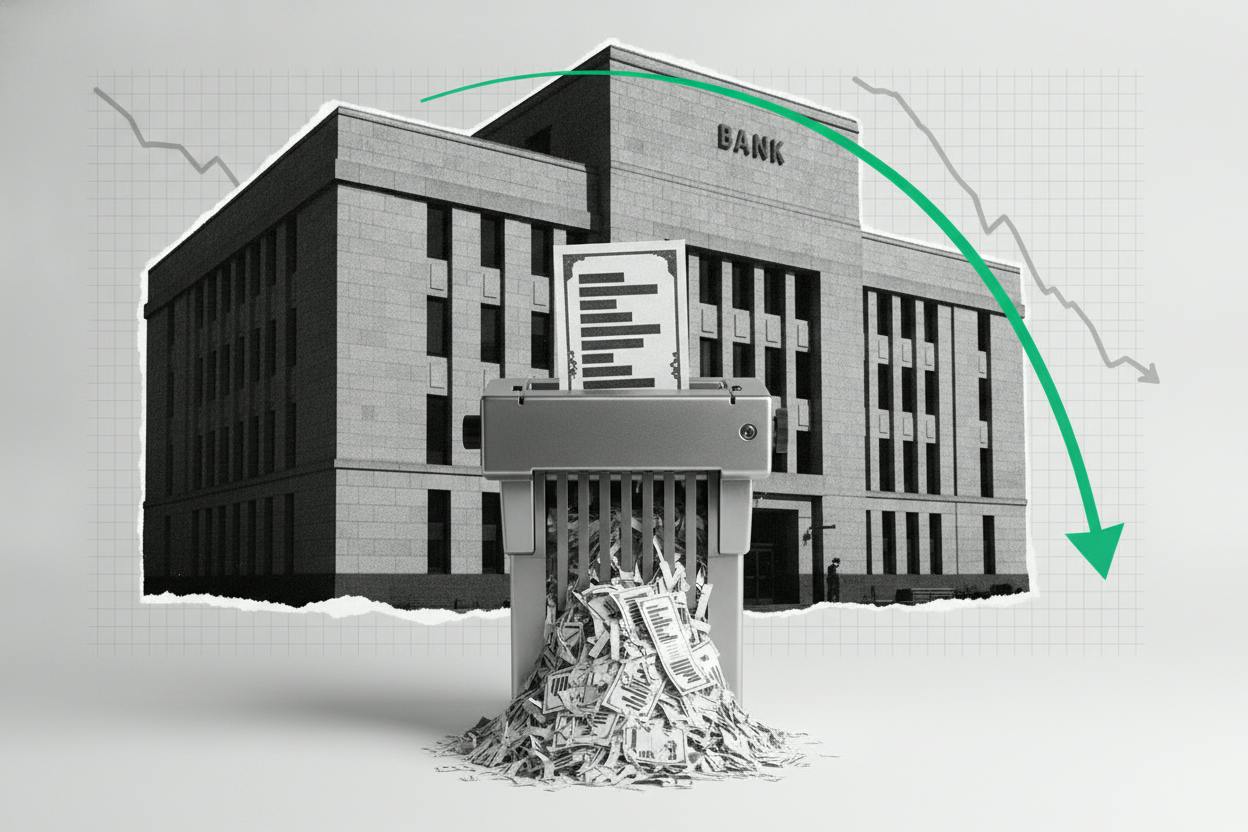
The bank's reported profit, however, slipped after it booked €416 million in restructuring and impairment charges. These one-off costs, tied to ongoing efficiency efforts, dragged down the bottom line even as the underlying business improved.
What's behind the numbers
Santander's underlying profit—which strips out those one-off charges—came in ahead of the €3.75 billion that analysts had expected, according to a Reuters poll. The improvement was driven by higher fees and revenue, particularly in the bank's US and UK operations, where recent acquisitions have added scale.
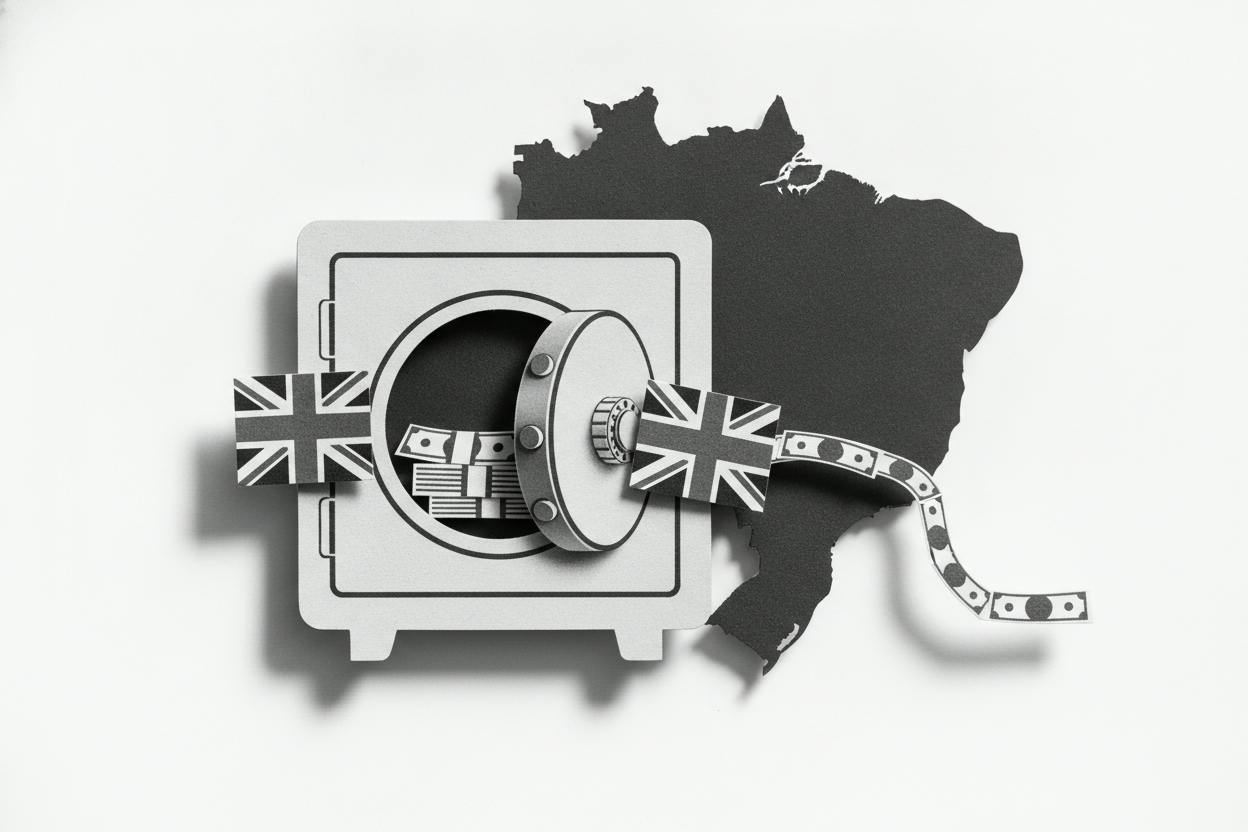
In the US, Santander has been expanding its consumer and commercial banking footprint, while in Britain it has grown through deals that have boosted its customer base. These markets are now contributing meaningfully to the group's earnings, helping to offset weakness in Brazil, where economic uncertainty and currency swings have weighed on results.
Brazil has long been a key market for Santander, but it has also been a source of volatility. Investors have been watching the country's performance closely, and the softer showing there tempered some of the enthusiasm from the profit beat.
What it means for investors
For everyday investors, Santander's results offer a few takeaways. First, the bank's diversification across geographies is proving valuable: strength in the US and UK can cushion the impact of troubles elsewhere. That's a reminder that large international banks often provide a mix of risks and rewards tied to different economies.
Second, the restructuring charges highlight that even profitable banks are investing in efficiency. These costs can weigh on reported earnings in the short term, but they are often aimed at improving profitability down the road. Investors should look at underlying trends rather than getting fixated on one-off items.
Finally, the profit beat is part of a broader pattern in European banking. Several lenders have reported solid results this earnings season, helped by higher interest rates and resilient economies. For example, Deutsche Bank's profit rose on retail strength, and Standard Chartered lifted its targets after a strong quarter. This suggests that the sector is in decent shape, though challenges like regulatory pressures and economic slowdowns remain.
Santander's shares have been sensitive to news from Brazil, so investors will likely keep an eye on that market in the coming months. The bank's ability to sustain growth in the US and UK will also be a focus, especially as competition in those markets intensifies.
For those who own Santander stock or are considering it, the key is to watch whether the bank can maintain its momentum in its strongest markets while managing the drag from Brazil. The third-quarter beat is a positive sign, but the path ahead is rarely smooth for a bank with such a wide global footprint.