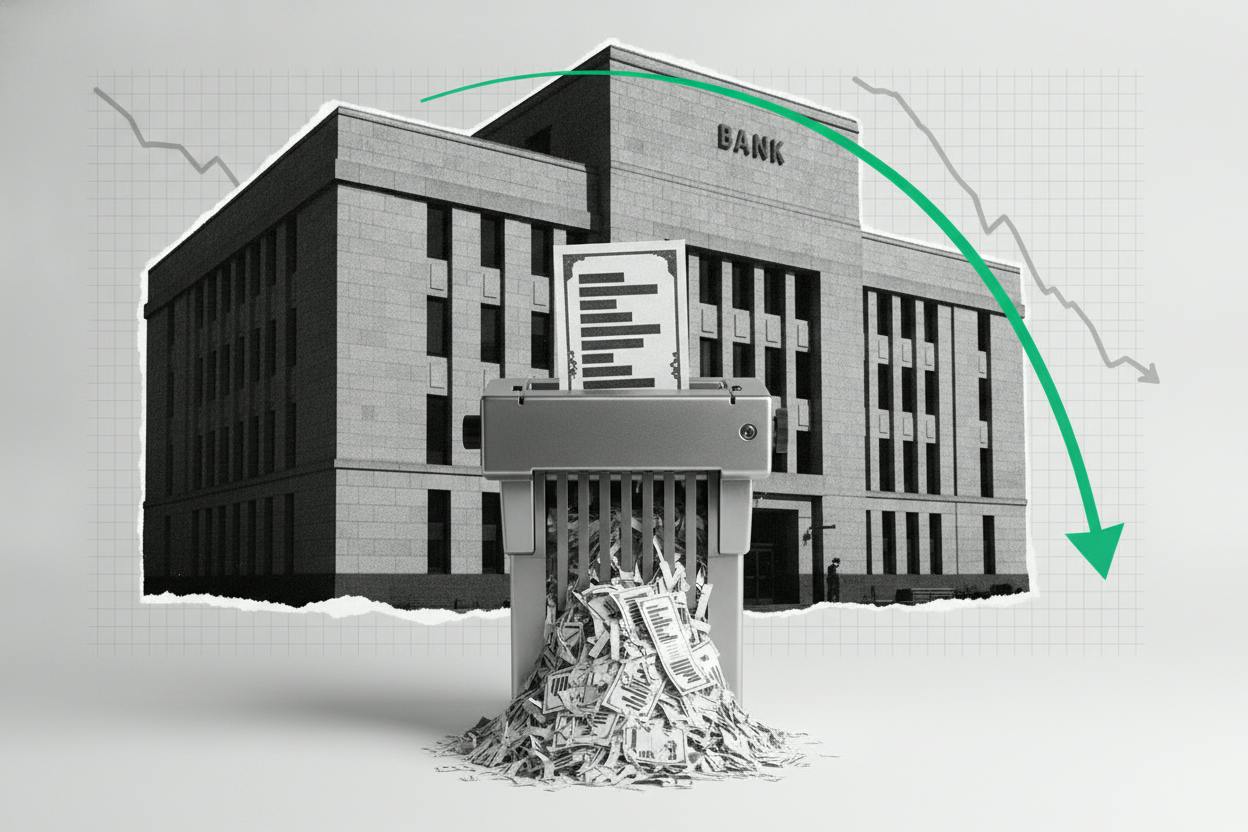
UBS has brought forward its $3 billion share repurchase program, saying it now expects to complete the buyback by February rather than mid-2027. The move comes after the Swiss banking giant reported $2.69 billion in third-quarter profit, a result that underscores its financial strength even as regulators in Switzerland consider tougher capital rules in the wake of Credit Suisse's collapse.
Why the buyback is moving faster
Share buybacks are a way for companies to return cash to shareholders by purchasing their own stock, which can support the share price and reduce the number of shares outstanding. For banks, the ability to do this comfortably often depends on how much capital regulators require them to hold. When rules are stable, banks can be more generous with payouts; when they are changing, banks tend to hold back.
UBS said it repurchased $1.8 billion of stock during the third quarter, and the accelerated timeline means the remaining $1.2 billion will be spent over the next few months. The original plan had stretched the program to mid-2027, so the new schedule is a significant shift.
The decision comes as Swiss authorities debate whether to impose stricter capital requirements on the country's largest banks. That debate was triggered by the emergency rescue of Credit Suisse, which UBS acquired in 2023. Regulators and politicians are looking for ways to prevent a similar crisis in the future, and one idea is to force big banks to hold more capital as a buffer against losses.
For UBS, the buyback is a signal of confidence. By pulling the program forward, the bank is telling investors that it believes its capital position is strong enough to return cash now, even with potential new rules on the horizon. It also suggests that management does not expect the stricter requirements to be so onerous that they would force a change in payout plans.
What the profit numbers show
The third-quarter profit of $2.69 billion is a solid result for a bank of UBS's size. While the figure is a snapshot of one quarter, it reflects the underlying health of the business, which includes wealth management, investment banking, and its Swiss retail operations. The bank has been integrating Credit Suisse's operations, a complex process that has involved cost-cutting and restructuring.
Strong profits give UBS the flexibility to reward shareholders while also investing in the business and meeting regulatory demands. The buyback is one part of that picture; dividends are another, though the brief does not mention any change to dividend policy.
What it means for investors
For everyday investors, the key takeaway is that UBS is confident enough in its finances to return cash to shareholders sooner than planned. That is generally seen as a positive sign, as it suggests the bank has more capital than it needs for its day-to-day operations and for whatever regulatory changes may come.
However, the Swiss capital debate is a wildcard. If regulators decide to impose significantly higher capital requirements, UBS might need to retain more earnings in the future, which could limit future buybacks or dividend growth. Investors will be watching the outcome of that debate closely.
It's also worth noting that buybacks can be a double-edged sword. While they can boost earnings per share and support the stock price, they also reduce the cash available for other uses, such as acquisitions or investments in growth. For a bank like UBS, which is still integrating a major acquisition, the balance between returning cash and building resilience is delicate.
The broader context is that European banks have been under pressure to show they can generate consistent returns for shareholders. UBS's move is a clear attempt to do that, and it may set a tone for other banks in the region. But the regulatory environment remains uncertain, and that uncertainty is likely to persist until Swiss authorities finalize their new rules.
For now, UBS's accelerated buyback is a vote of confidence in its own balance sheet. Investors should see it as one data point in a larger story about how the bank navigates the post-Credit Suisse landscape and the regulatory changes that are still being shaped.