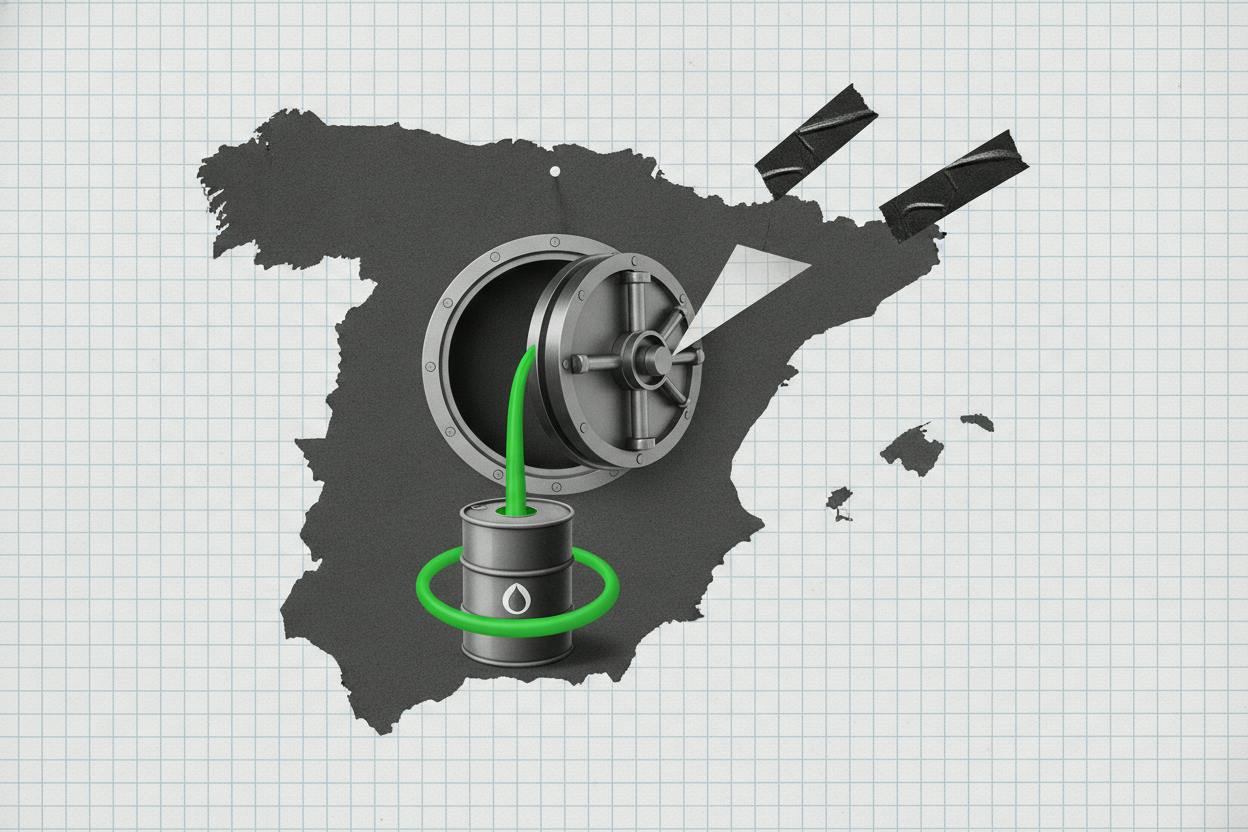
Two of Spain's corporate heavyweights are making moves that could reshape their businesses and reward shareholders. According to Spanish media reports, Banco Santander has hired consultancy KPMG to explore selling a 51% stake in its corporate insurance unit. Meanwhile, oil and gas group Repsol is reportedly preparing a larger shareholder remuneration package that could include a bigger share buyback.
Neither company has confirmed the reports, and details remain thin. But the news offers a window into how two very different Spanish giants are thinking about capital, risk, and returns.
Santander: a familiar playbook
Santander is one of Europe's largest banks, with a sprawling presence across Europe and the Americas. Its corporate insurance arm provides policies to businesses, covering things like property, liability, and employee benefits. Selling a majority stake in that unit would be a significant strategic move.
The bank is no stranger to this kind of deal. In recent years, Santander has struck partnerships with insurers in several markets, selling stakes in its insurance operations while retaining distribution agreements. This approach lets the bank free up capital and generate upfront cash, while still earning fees from selling insurance products to its customers.
If the reported sale goes ahead, it would follow a similar pattern. A 51% stake would give an external partner control, but Santander could still benefit from the ongoing relationship. The involvement of KPMG, a major advisory firm, suggests the process is at an early stage.
This is not the only insurance-related deal in the news. DXC is also in talks to sell its insurance unit, highlighting a broader trend of companies reassessing non-core assets.
Repsol: rewarding shareholders
Repsol is a Spanish energy company with operations in oil, gas, and renewables. Like many energy firms, it has benefited from volatile but generally high energy prices in recent years. Now it appears ready to pass more of that cash back to shareholders.
The company is reportedly planning a larger shareholder remuneration package, which could include a bigger share buyback. Buybacks reduce the number of shares in circulation, which can boost earnings per share and often supports the share price. Combined with dividends, they are a direct way for companies to return cash to investors.
Repsol has been under pressure from some investors to increase returns, and a larger payout would be a response to that. It would also signal confidence in the company's cash flow and balance sheet.
For investors, the key question is whether the payout is sustainable. Energy companies are cyclical, and their profits can swing with oil and gas prices. A bigger buyback funded by strong current cash flow is one thing; a commitment that strains the balance sheet in a downturn is another.
What it means for investors
For Santander shareholders, a sale of the insurance unit could unlock value and strengthen the bank's capital position. It would also simplify the business, allowing management to focus on core banking. However, it would also mean giving up a slice of future insurance profits. The trade-off is typical of such deals: upfront cash versus long-term income.
For Repsol investors, the prospect of a bigger payout is straightforwardly positive, at least in the short term. Higher dividends and buybacks tend to support share prices. But investors should watch whether the payout is funded by sustainable cash flow or by taking on more debt.
Both stories also reflect broader trends. Banks across Europe have been selling non-core units to boost capital and returns, while energy companies have been returning record cash to shareholders after a period of high prices. Santander has also been investing in technology to improve efficiency, part of a wider push to modernize its operations.
Neither deal is done yet. Reports are based on unnamed sources, and negotiations can fall through. But the direction of travel is clear: Santander is looking to streamline, and Repsol is looking to reward.
For everyday investors, the takeaway is to watch for official announcements. If Santander confirms a sale, it could affect the bank's share price and its ability to pay dividends. If Repsol raises its payout, it could make the stock more attractive to income-focused investors. As always, it pays to look beyond the headline and consider the long-term implications.