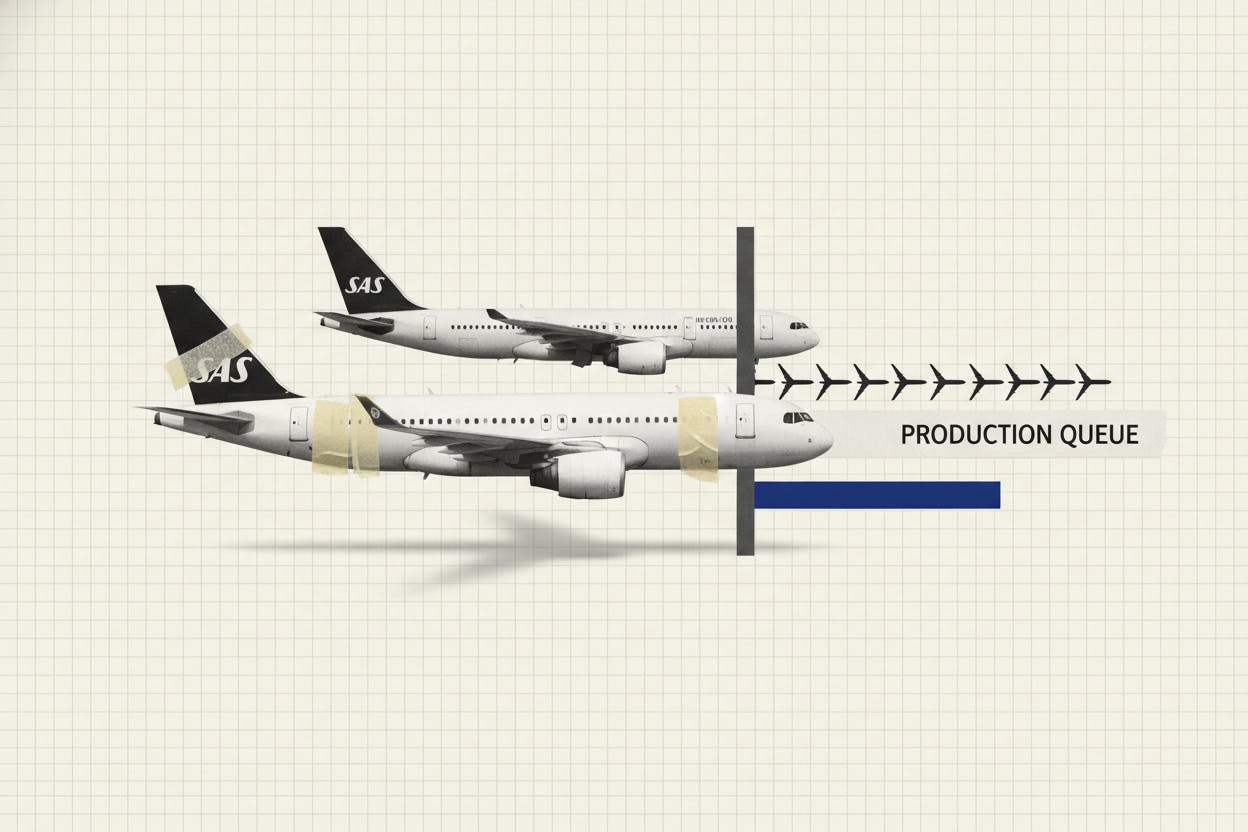
Scandinavian Airlines (SAS) has announced plans to order up to 40 Airbus widebody jets, a deal valued at more than $10 billion at list prices. The order comes just two years after the carrier emerged from Chapter 11 bankruptcy protection, signaling a major bet on long-haul travel and fleet modernization.
What the Deal Involves
The order includes both firm commitments and options for Airbus A330 and A350 widebody aircraft, which are typically used on long-distance routes. Widebody jets are larger than single-aisle planes and are designed for flights lasting several hours, such as those between Europe and North America or Asia. The exact mix of models and delivery timeline have not been disclosed, but the headline value of over $10 billion reflects list prices, though airlines often negotiate significant discounts on large orders.
For SAS, this is a strategic pivot toward a more fuel-efficient and modern fleet. The airline had previously relied heavily on older Boeing aircraft, including the 737 and 767 models. By switching to Airbus, SAS aims to reduce fuel costs and maintenance expenses, while also meeting stricter environmental regulations in Europe.
From Bankruptcy to Expansion
SAS filed for Chapter 11 bankruptcy protection in the United States in July 2022, a process that allowed it to restructure its debts and operations while continuing to fly. The airline emerged from bankruptcy in August 2024, after securing new investment and cutting costs. The Chapter 11 process is a common tool for U.S. companies to reorganize, but it is less typical for European airlines, which often use local insolvency procedures. SAS chose the U.S. route because it had significant operations and creditors there.
Since exiting bankruptcy, SAS has been focused on rebuilding its network and financial health. The new aircraft order is the clearest sign yet that the airline is looking to grow, not just survive. However, the deal also carries risks: taking on billions in debt or lease commitments could strain the balance sheet if travel demand weakens or fuel prices spike.
What It Means for Investors
For everyday investors, this news is relevant on several fronts. First, it is a positive signal for Airbus (EPA: AIR), the European aerospace giant. Large orders like this one help Airbus maintain its production backlog and provide visibility into future revenue. Investors in Airbus may see this as a vote of confidence in its widebody program, especially as rival Boeing has faced production delays and quality issues with its 787 Dreamliner.
Second, the order reflects broader trends in the airline industry. Carriers around the world are upgrading fleets to improve fuel efficiency and reduce carbon emissions. This is driving demand for next-generation aircraft like the Airbus A350 and Boeing 787. However, supply chain constraints have made it difficult for manufacturers to deliver planes on time, so SAS may face delays in receiving its new jets.
Third, for those invested in airline stocks or exchange-traded funds (ETFs), SAS's move highlights the delicate balance between growth and financial discipline. Airlines are capital-intensive businesses, and large aircraft orders can weigh on cash flow for years. SAS's ability to execute this plan will depend on maintaining strong passenger demand and controlling costs.
Investors should also watch how SAS finances the deal. The airline may use a combination of cash, bank loans, and sale-leaseback arrangements, where it sells the planes to a lessor and then leases them back. This approach reduces upfront capital outlay but adds ongoing lease expenses.
Broader Market Context
The aviation sector has been recovering steadily from the pandemic, with international travel demand rebounding strongly. However, airlines still face headwinds including high fuel prices, labor shortages, and geopolitical tensions. SAS's order is a bet that long-haul travel will continue to grow, particularly between Scandinavia and destinations in Asia and North America.
Meanwhile, the aerospace supply chain is under pressure. Both Airbus and Boeing have struggled to ramp up production due to shortages of engines, semiconductors, and other components. This has led to delivery delays for many airlines. SAS will need to manage these risks carefully to avoid disruptions to its expansion plans.
For context, other recent large aircraft orders include Vocus's $500 million fiber link project, which highlights infrastructure investment in a different sector, and record outflows from Bitcoin ETFs, showing shifting investor sentiment in digital assets. These stories, while unrelated, underscore the diverse opportunities and risks across markets.
What to Watch Next
Investors should monitor SAS's next earnings report for details on financing and delivery schedules. Also watch for any updates from Airbus on its production targets, as delays could affect SAS's growth timeline. Finally, keep an eye on fuel prices and travel demand data, as these will determine whether SAS's big bet pays off.