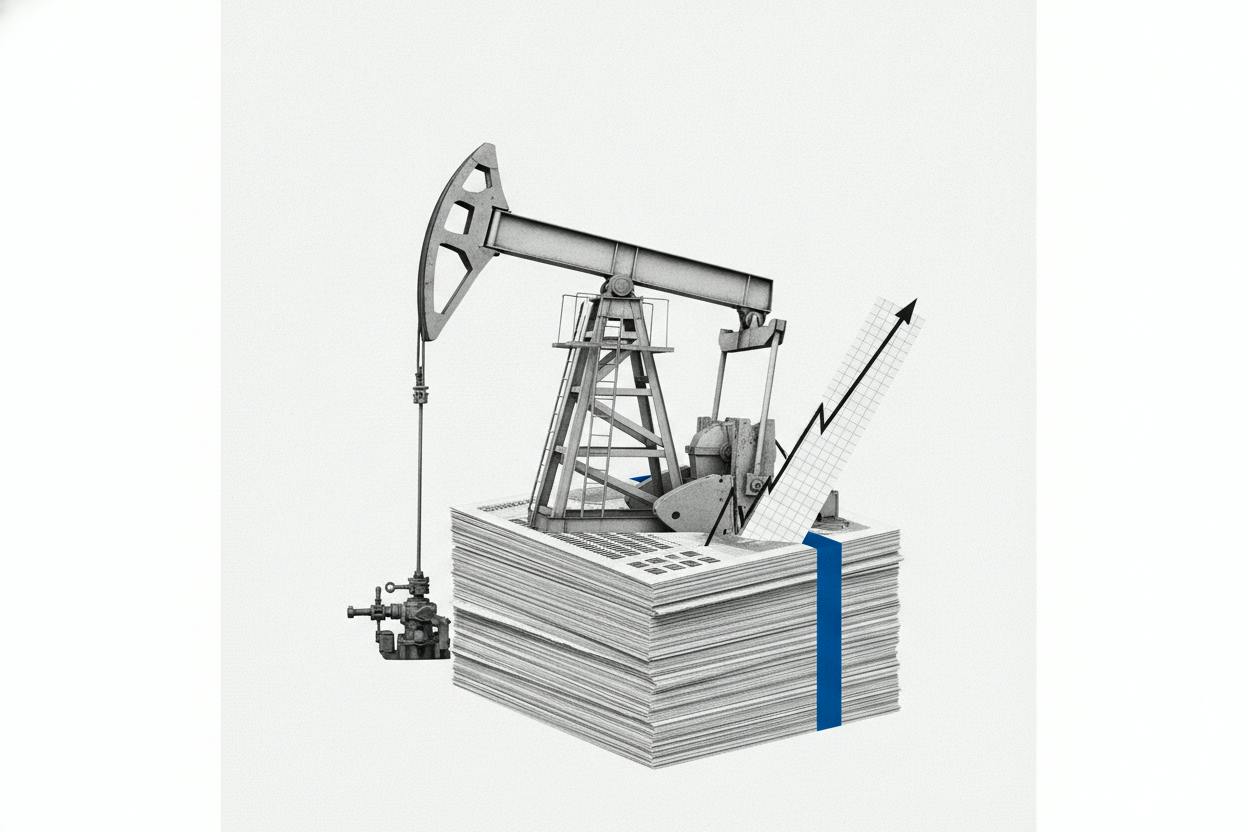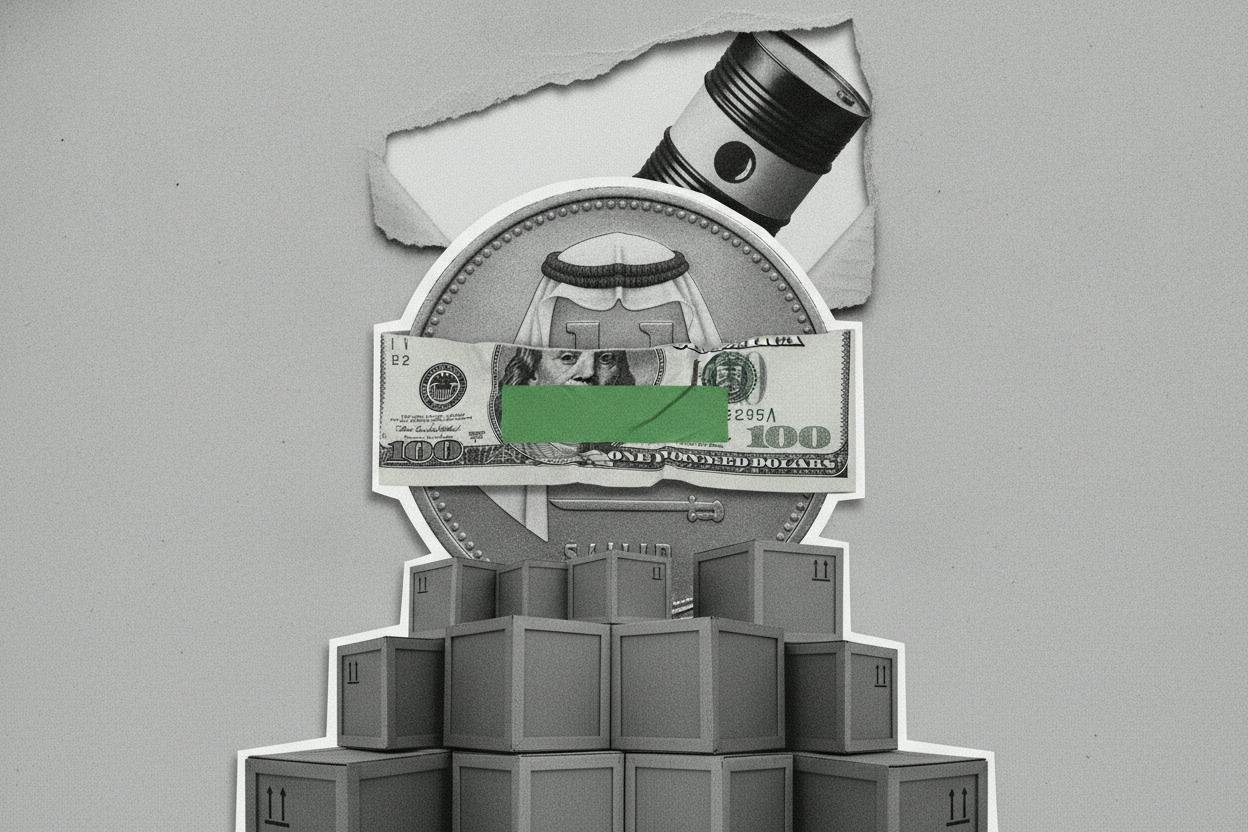
Saudi Arabia's trade surplus widened in August, as higher export volumes helped offset another year-over-year drop in oil sales. The kingdom's merchandise trade surplus reached 15.60 billion Saudi riyals, up from a revised 13.24 billion riyals in July, according to the country's statistics agency.
Exports rose 3.3% from the previous month to 87.24 billion riyals, but were still 11.5% lower than a year earlier. Oil export sales fell 12.5% year over year, yet crude still accounted for roughly 70% of all exports, meaning swings in energy receipts continue to dominate Saudi trade performance.
Why the surplus grew despite weaker oil
The month-on-month improvement was driven by higher export volumes, even as the value of oil shipments declined. This suggests that Saudi Arabia shipped more crude and refined products in August, but at lower prices than a year ago. Global oil prices have been under pressure from concerns about demand and ample supply, which has weighed on the revenue that the kingdom earns from its most important export.
Compared with August of last year, the surplus was still about 21% lower, a reminder that the headline numbers remain closely tied to energy prices. When oil prices fall, Saudi export revenues shrink, and the trade surplus narrows—even if the volume of goods leaving the country is steady or rising.
What this means for investors
For everyday investors, Saudi Arabia's trade data is more than just a national statistic. The kingdom is one of the world's largest oil exporters, and its trade balance is a key indicator of how much money is flowing into the country from abroad. A wider surplus can support the Saudi riyal, which is pegged to the US dollar, and can also influence government spending and economic growth.
However, the persistent year-over-year decline in oil sales is a cautionary signal. It highlights how vulnerable the Saudi economy—and by extension, companies listed on the Saudi stock market—can be to changes in crude prices. When oil revenues fall, the government may have less to spend on infrastructure projects and social programs, which can affect everything from construction firms to consumer companies.
Investors with exposure to Saudi equities or funds that track the region should watch oil prices closely. The trade surplus is a useful barometer, but it is not the only factor. Government budgets, foreign investment flows, and the pace of economic diversification efforts under Vision 2030 also play important roles.
Broader context
The latest trade figures come amid a backdrop of global uncertainty. Regional tensions have at times rattled Saudi markets, and central bank decisions worldwide continue to influence investor sentiment. Higher interest rates in major economies can strengthen the US dollar, which in turn can put downward pressure on oil prices, affecting Saudi export revenues.
At the same time, energy prices in other parts of the world have shown resilience, and oil rallies can spill over into other commodities. But for Saudi Arabia, the key variable remains the price of crude. If oil prices stay weak, the trade surplus may continue to shrink on a year-over-year basis, even if monthly figures improve.
Looking ahead
Investors will be watching upcoming oil market data and OPEC+ decisions for clues about future supply. The group, led by Saudi Arabia and Russia, has been managing output to support prices. Any change in production targets could have a direct impact on Saudi export volumes and, ultimately, on the trade surplus.
For now, the August data offers a mixed picture: a monthly improvement, but a clear year-over-year decline. That suggests the Saudi economy is still heavily dependent on oil, and that the path to diversification remains a work in progress. For investors, the takeaway is to keep an eye on oil prices and on how the kingdom's broader economic reforms are progressing.