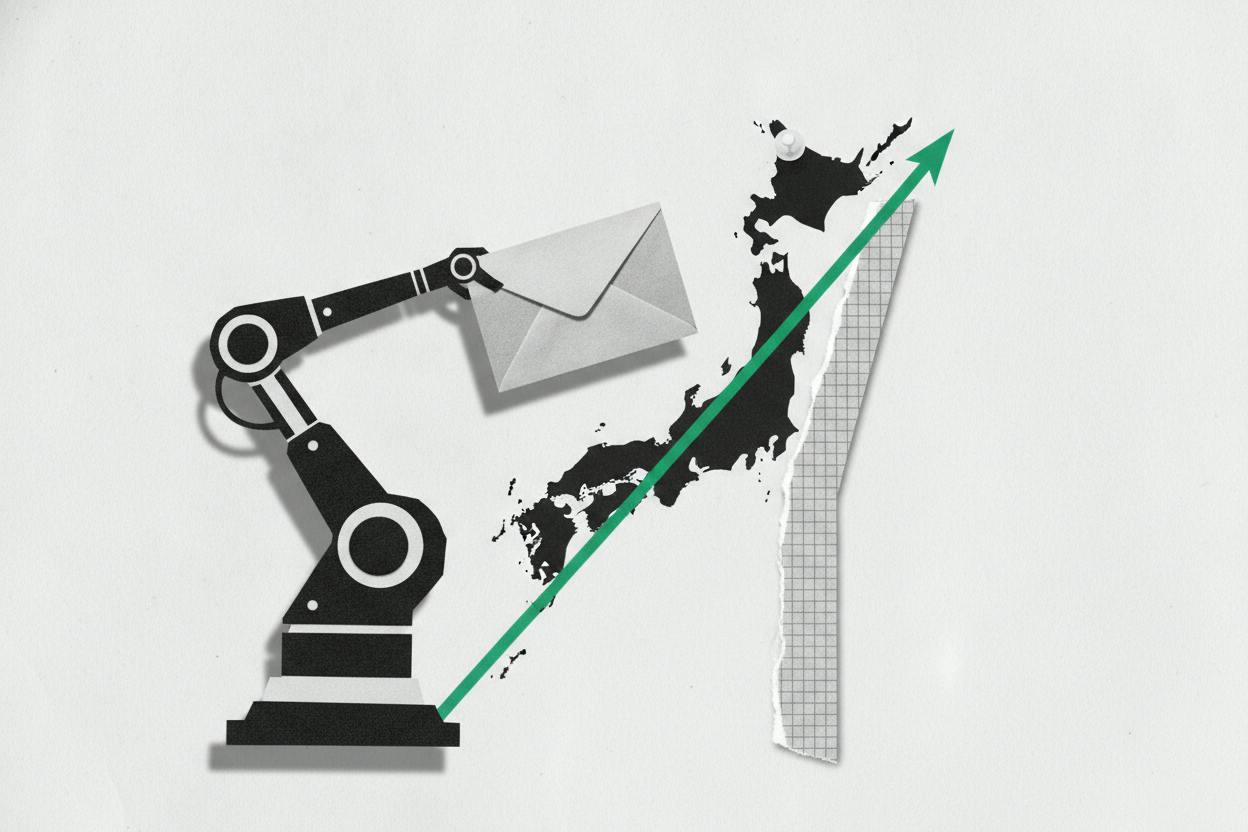
Japan's biggest auto workers' union is setting its sights on wage increases that do more than just keep pace with rising prices. The Confederation of Japan Automobile Workers' Unions (JAW) is already discussing a higher bar for the 2027 spring wage talks, arguing that pay should rise with productivity so automakers can hold onto skilled workers rather than trying to out-compete China on cost.
Akihiro Kaneko, who leads JAW, says wages should track what workers produce per hour. That's a shift from the traditional focus on simply matching inflation. The union, which represents about 780,000 workers including staff at Toyota, Honda, and parts suppliers, is coming off two strong bargaining rounds: average monthly wages rose 4.81% this year after a 4.94% increase a year earlier, with both deals including 3.58% base-pay hikes.
Why base pay matters
The base-pay component is crucial. Unlike one-off bonuses, base-pay hikes become a permanent part of a company's cost base. That means higher labor costs are more likely to stick around, and they can feed into the prices of domestically produced services. For investors, this is a key reason why Japan's spring wage negotiations have become a major market event.
Japan's core inflation, which strips out fresh food, has cooled from an average of 3.1% last year but was still 2.1% in September, above the Bank of Japan's 2% target. With the auto sector supporting roughly 5.5 million jobs, the industry often sets the tone for broader wage expectations across the economy.
The push also fits a bigger campaign from Rengo, Japan's largest labor federation, which has set a target centered on a 6% pay hike next year, with a minimum benchmark of 5% or more.
What it means for investors
For markets, the significance goes beyond a single year of raises beating inflation. The real question is whether wage growth becomes repeatable. With JAW's recent settlements embedding 3.58% base-pay hikes, higher labor costs are more likely to persist and filter into service prices. That's why spring wage results have become a key input to expectations for Bank of Japan policy.
If investors see a clearer link between pay and prices, they're more likely to price a less-accommodative path for interest rates. That can make Japanese government bond yields and the yen more sensitive to wage headlines each spring. The Bank of Japan's recent signal of more hikes underscores how closely policymakers are watching wage dynamics.
For everyday investors, the takeaway is that Japan's wage talks are not just a labor story—they're a macro story. Strong, productivity-linked wage growth could support consumer spending and corporate pricing power, but it also raises the odds of tighter monetary policy. That could weigh on Japanese equities, as seen in recent Nikkei slides when rate expectations shift.
At the same time, the competitive pressure from Chinese EV makers is a reminder that Japan's automakers are navigating a fast-changing global market. The union's argument is that investing in people—through higher pay—is a better long-term strategy than cutting costs. Whether that pays off for shareholders will depend on how well automakers can translate higher labor costs into higher-value products.
For now, the 2027 target is just a proposal, but the direction is clear: Japan's auto unions want wages that not only keep up with inflation but also reflect the growing value of skilled work. That's a message that could resonate far beyond the factory floor.