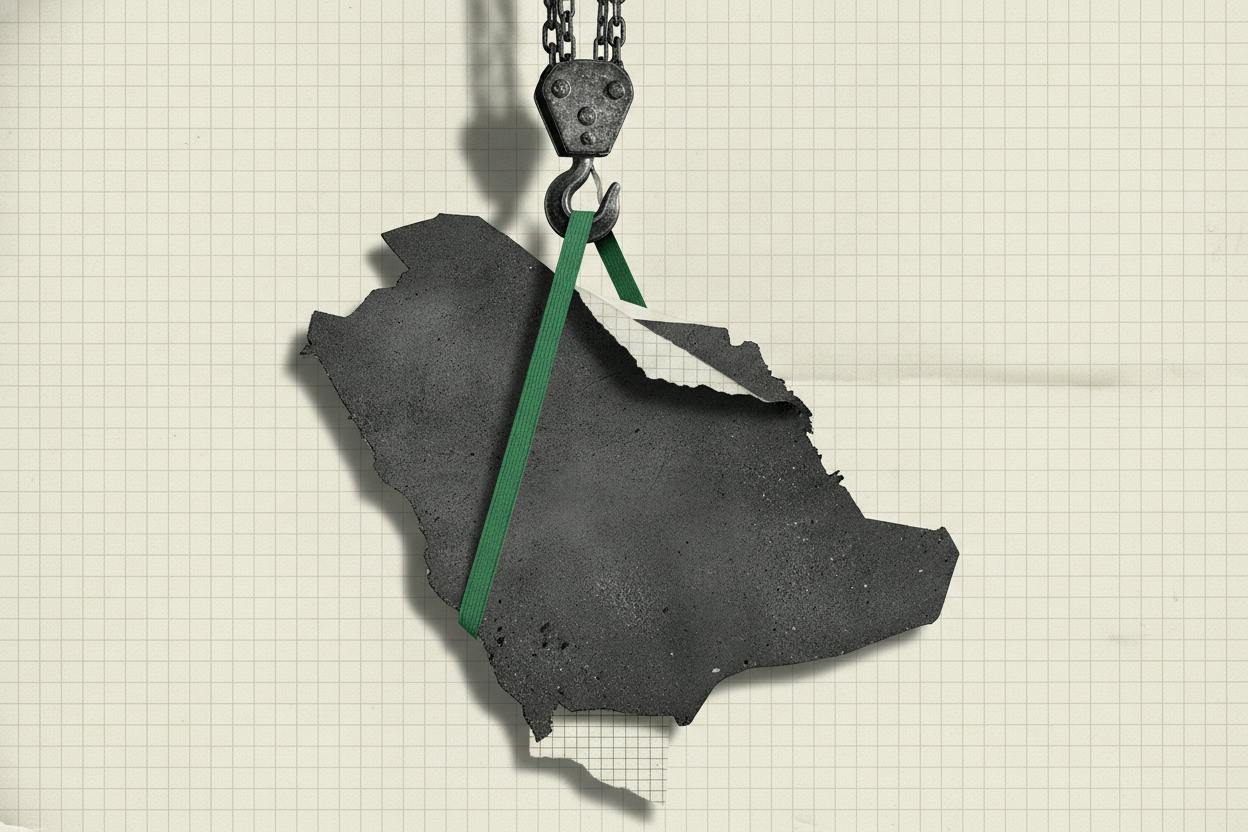
Saudi Arabia's construction sector continues to feel the pinch of rising costs, with the latest government data showing the kingdom's construction cost index climbed 2.3% in October compared with the same month last year. That's a modest acceleration from September's 2.2% annual increase, suggesting that cost pressures are sticking around rather than fading.
The index, which tracks the price of building everything from homes to commercial towers, rose across both residential and non-residential work. Residential projects saw their sub-index rise 2.2% year on year, while non-residential work—think offices, factories, and infrastructure—ran hotter at 2.7%.
What's driving the increase?
Digging into the components, the biggest culprits were equipment rentals and energy. Equipment rental costs jumped 4% year on year in October, while energy costs rose 3%. These are the kinds of inputs that affect every construction site, from the cranes lifting steel to the diesel powering generators.
Labor and materials also crept higher, adding to the overall pressure. While the brief doesn't break out exact figures for those categories, the broad-based nature of the increase suggests that no single input is to blame—it's a general upward drift across the supply chain.
Month over month, the overall index also moved up, though the brief doesn't specify the exact monthly change. The key takeaway is that the trend is persistent: costs are not just elevated, they're still climbing.
Why does this matter?
Construction costs are a bellwether for the broader economy. When building gets more expensive, it can slow down new projects, squeeze developers' margins, and ultimately feed into the prices of everything from new homes to commercial rents. For Saudi Arabia, which is in the middle of a massive infrastructure and real estate push under its Vision 2030 plan, rising costs could complicate the timeline and budget of some of those ambitious projects.
The data also ties into wider regional and global trends. In neighboring regions, construction and infrastructure costs have been under similar pressure. For instance, India's core infrastructure output jumped 10.9% in October, the fastest pace since the series was rebased, highlighting how demand for building materials and energy remains strong across emerging markets. Meanwhile, China's steel output has slipped but iron ore imports keep climbing, a sign that global demand for construction inputs is still robust even as some economies cool.
For investors, the construction cost index is a useful gauge of inflationary pressure in a key sector. It's not just about Saudi Arabia—it's a window into how global supply chains, energy prices, and labor markets are interacting.
What it means for investors
For everyday investors, the takeaway is twofold. First, rising construction costs can be a warning sign for inflation. When building materials and equipment get more expensive, those costs often get passed on to buyers—whether that's a family purchasing a new home or a company leasing office space. That can feed into broader consumer price inflation, which central banks are watching closely.
Second, the data offers clues about specific sectors. Companies that rent out construction equipment, for example, may benefit from higher rental rates. Energy producers could also see tailwinds from rising energy costs. On the flip side, developers and construction firms may see their profit margins squeezed if they can't pass on the higher costs to customers.
It's also worth noting that Saudi Arabia's stock market has been sensitive to regional tensions recently. Saudi stocks slid 1.95% in a recent session as geopolitical worries rattled investors. While construction costs are a separate issue, they add another layer of uncertainty for companies operating in the kingdom.
Globally, inflation trends are mixed. Singapore's core inflation cooled to 1.5% in October, beating forecasts, while Switzerland's central bank warned that October inflation could feed into wages and prices. The divergence highlights that inflation is not a one-size-fits-all story—each country has its own drivers.
Looking ahead
Investors will be watching to see whether Saudi construction costs continue to climb in the coming months. If equipment and energy prices keep rising, the index could push higher, putting more pressure on developers and potentially slowing the pace of new projects. On the other hand, if global energy prices ease, that could take some of the heat off.
For now, the message is clear: construction in Saudi Arabia is getting more expensive, and that trend shows no signs of reversing anytime soon.