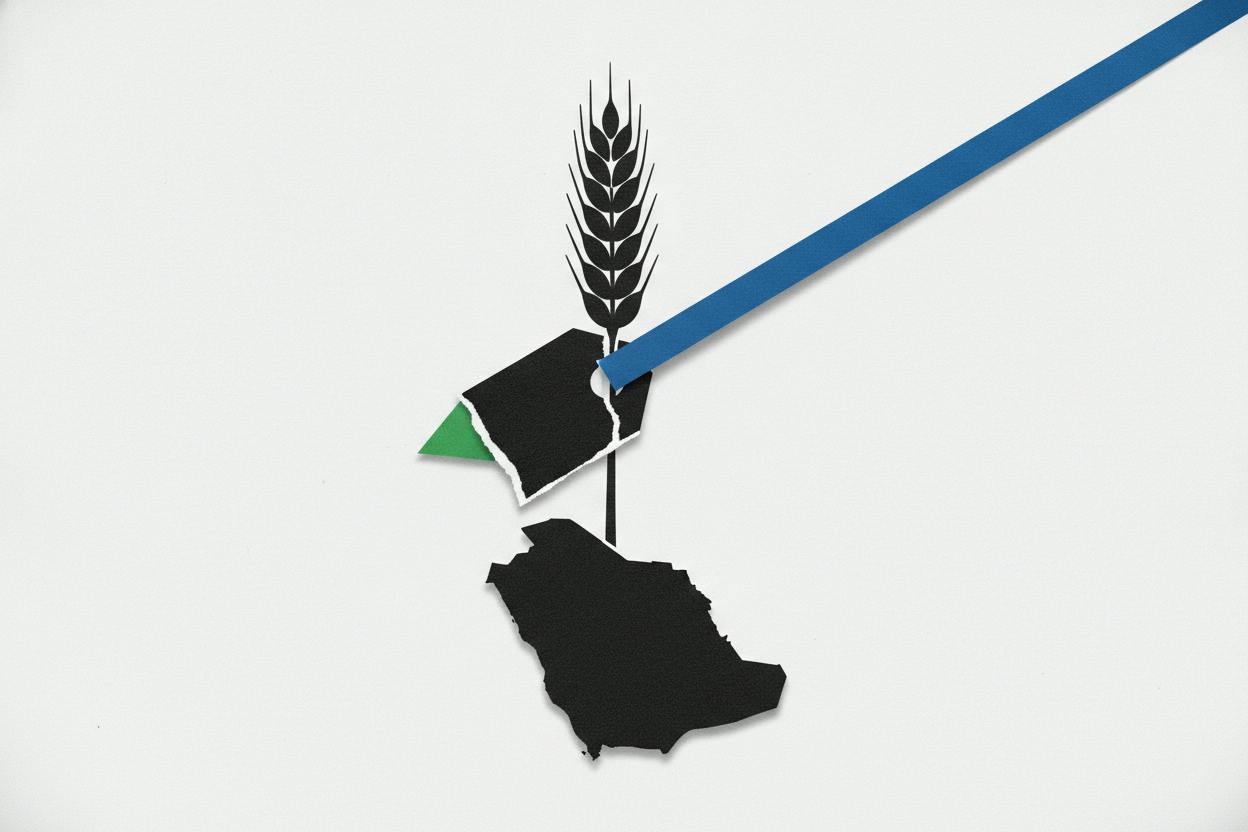
Wheat futures on the Chicago Board of Trade (CBOT) rebounded from seven-week lows on Friday, driven by a large import tender from Saudi Arabia. The kingdom sought 535,000 metric tons of wheat for shipment in November and December, a move that signaled renewed demand from one of the world's major buyers.
The tender marks a reversal from early September, when Saudi Arabia canceled a previous purchase because prices were deemed too high. Its return to the market suggests that recent declines have made wheat more attractive to importers, helping to lift CBOT prices from Thursday's low near $6.70 per bushel to around $6.88. European wheat on Euronext also rose, with Paris contracts gaining more sharply.
Why the split move?
The divergence between wheat and other grains comes down to supply and currency dynamics. While wheat found support from the Saudi tender, corn and soybeans remained under pressure from heavy US supplies and a strong US dollar.
A strong dollar makes US grains more expensive for foreign buyers, which can dampen export demand. At the same time, ample domestic inventories—particularly for corn and soybeans—have kept a lid on prices. These crops are still in the midst of harvest season in the US, and expectations of large yields have weighed on the market.
Wheat, by contrast, has a tighter global supply picture, especially after weather issues in some exporting regions. The Saudi tender provided a concrete sign of demand that helped offset the broader bearish sentiment.
What it means for investors
For everyday investors, moves in grain futures can ripple through the economy. Higher wheat prices often translate into costlier bread, pasta, and other staples at the grocery store. The recent rebound, while modest, could be an early signal that food inflation pressures are not entirely gone.
However, the broader trend in grains remains bearish. Corn and soybeans are still struggling under the weight of abundant supply, and the strong dollar continues to be a headwind for US agricultural exports. Investors should watch whether other major importers follow Saudi Arabia's lead, as that could provide more sustained support for wheat prices.
Currency markets also play a role. A weaker dollar would make US grains more competitive globally, potentially lifting all three crops. Conversely, if the dollar stays strong, US exports may continue to lag.
For those with exposure to agricultural commodities through ETFs or futures, the key takeaway is that wheat is showing signs of life, but corn and soybeans remain mired in a supply-driven slump. The Saudi tender is a positive development, but it is just one data point in a complex market.
As always, it's important to remember that commodity prices are volatile and influenced by weather, geopolitics, and global economic conditions. Investors should consider their own risk tolerance and diversification strategy before making any decisions.