French energy management and automation giant Schneider Electric has raised its full-year revenue and margin guidance after what it called a record first half, with surging demand from data centers and semiconductor customers providing the main thrust. The company reported second-quarter revenue of €11.46 billion, up 16.5% on an organic basis—meaning growth that strips out the effects of currency fluctuations and acquisitions.
The upgrade signals that the boom in artificial intelligence and cloud computing infrastructure continues to translate into hard orders for the companies that build and equip the physical backbone of the digital economy. Schneider Electric, which makes everything from electrical distribution gear to industrial automation software, is one of the clearest listed proxies for that spending.
What's driving the growth?
According to analysts at Berenberg, the standout quarter was powered by what they described as “triple-digit” growth tied to data centers, alongside a significant lift from semiconductor customers. The momentum was visible across both of Schneider's main divisions: Energy Management, which includes power distribution and grid equipment, and Industrial Automation, which covers factory and process control systems.
Data centers are energy-hungry facilities, and the rapid build-out of AI computing capacity has created a surge in demand for the electrical infrastructure that powers and cools them. Schneider's products—such as switchgear, uninterruptible power supplies, and cooling systems—are essential components of these facilities. Similarly, semiconductor fabs require highly reliable power and precise environmental controls, making them another key customer base.
The company's record first half and raised guidance come at a time when investors are closely watching whether the AI infrastructure spending spree can be sustained. Some analysts have questioned whether the boom may be masking a profits reality check, but Schneider's results suggest that, at least for now, the order books remain full.
What does the guidance upgrade mean?
By lifting its FY26 revenue and margin outlook, Schneider is signaling to the market that it expects the strong demand to persist well into the next fiscal year. For investors, a guidance raise is often seen as a more reliable signal than a single quarter's beat, because it reflects management's confidence in the durability of the underlying trends.
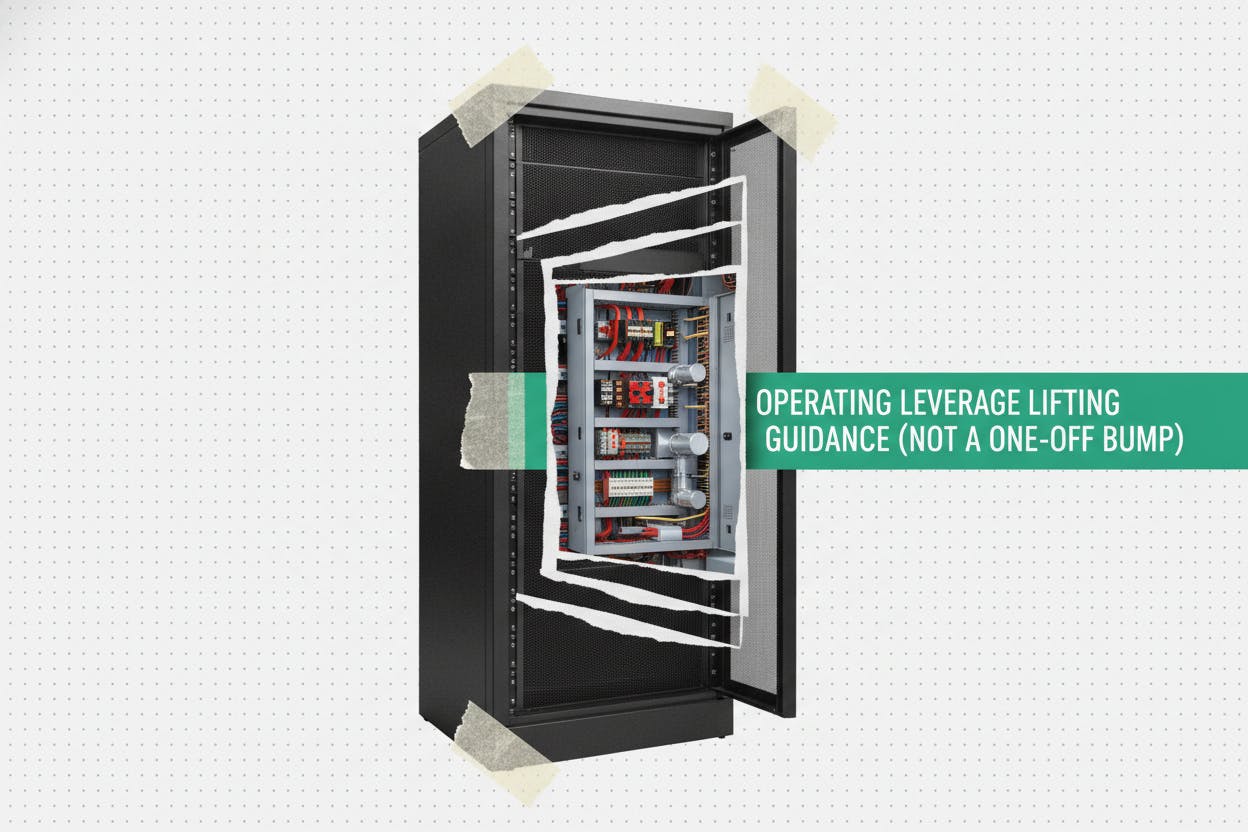
Margin expansion is particularly notable. It suggests that Schneider is not just selling more, but doing so profitably—likely benefiting from pricing power, product mix, and operating leverage as volumes scale up. In an environment where many industrial companies are grappling with cost inflation and supply chain disruptions, a company that can expand margins while growing revenue stands out.
The news also adds to a growing body of evidence that the data center boom is a broad-based phenomenon. Siemens Energy recently posted a record quarter on the back of similar AI-driven demand, and Malaysia's KLCI extended its rally as Gamuda landed a $1.71 billion data center deal. These stories, taken together, paint a picture of a global infrastructure build-out that spans continents and sectors.
What it means for investors
For everyday investors, Schneider Electric's update is a reminder that the AI trade is not just about chipmakers and software companies. The physical infrastructure that supports AI—power systems, cooling, and automation—is a critical and often overlooked piece of the puzzle. Companies that provide these goods are seeing tangible revenue growth, which can translate into higher earnings and, potentially, higher share prices.
However, it's important to keep perspective. Schneider Electric is a large, diversified company, and its stock already trades at a premium valuation relative to many industrial peers, reflecting the market's high expectations. A guidance raise can help justify that premium, but it also means the bar for future performance is higher. If data center spending were to slow—due to an economic downturn, a pullback in AI investment, or a shift in technology—companies like Schneider could see their growth rates decelerate quickly.
Investors should also note that organic growth, while impressive, is just one measure. The company's reported revenue of €11.46 billion includes the effects of currency and acquisitions, which can either flatter or detract from the underlying performance. For a global company like Schneider, currency swings can be significant, and the organic figure is often the one that best reflects the health of the underlying business.
Finally, the guidance upgrade is a positive signal for the broader industrial sector, particularly for companies with exposure to electrification and automation. Tech-led rallies have been lifting markets globally, and Schneider's results suggest that the enthusiasm is grounded in real earnings momentum, at least for now.
As always, no single company's results tell the whole story. But when a bellwether like Schneider Electric raises its outlook, it's worth paying attention—not just for what it says about the company, but for what it implies about the durability of the AI infrastructure boom that has captured the market's imagination.