Siemens Energy, the German power-equipment maker, reported record third-quarter sales, margins, and orders, driven by surging demand for its gas turbines from US data center operators and Middle East power projects. The company also said its struggling wind turbine unit, Siemens Gamesa, posted its first quarterly operating profit in almost four years.
The results underscore a central theme in today's energy markets: electricity demand is growing faster than new supply can be added, especially as artificial intelligence data centers and industrial electrification pile onto already-stretched grids. Siemens Energy is one of the few companies that builds the heavy equipment—gas turbines, wind turbines, and grid hardware—needed to keep power flowing.
What's driving the boom?
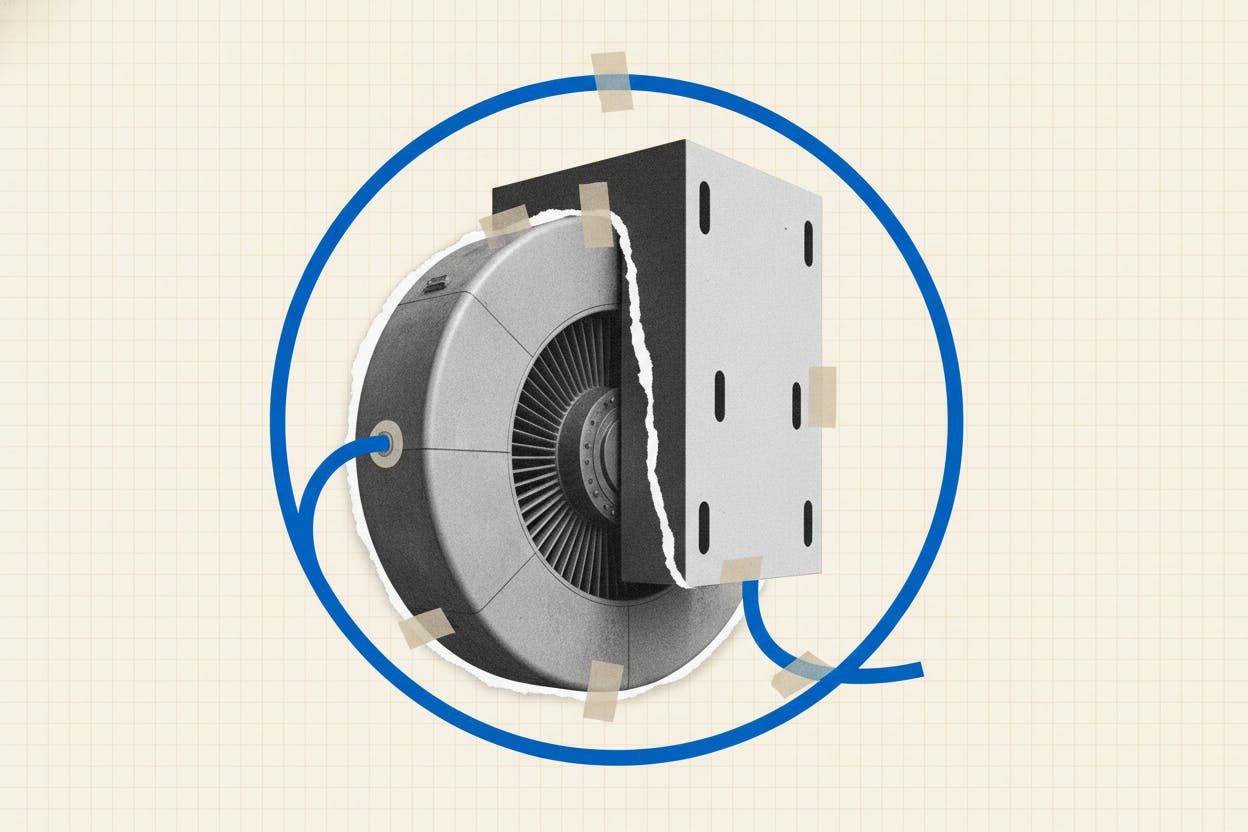
Management said data center operators and Middle East customers accounted for about half of the quarter's gas turbine orders. In the US, a wave of AI data center construction is creating an urgent need for reliable, on-demand power. Gas turbines are often the quickest way to add capacity, since they can be built faster than large-scale renewable projects or new nuclear plants.
Middle East demand, meanwhile, reflects a push by oil-rich nations to diversify their economies and build out power infrastructure for growing populations and industrial projects. These are long-term contracts that give Siemens Energy visibility into future revenue.
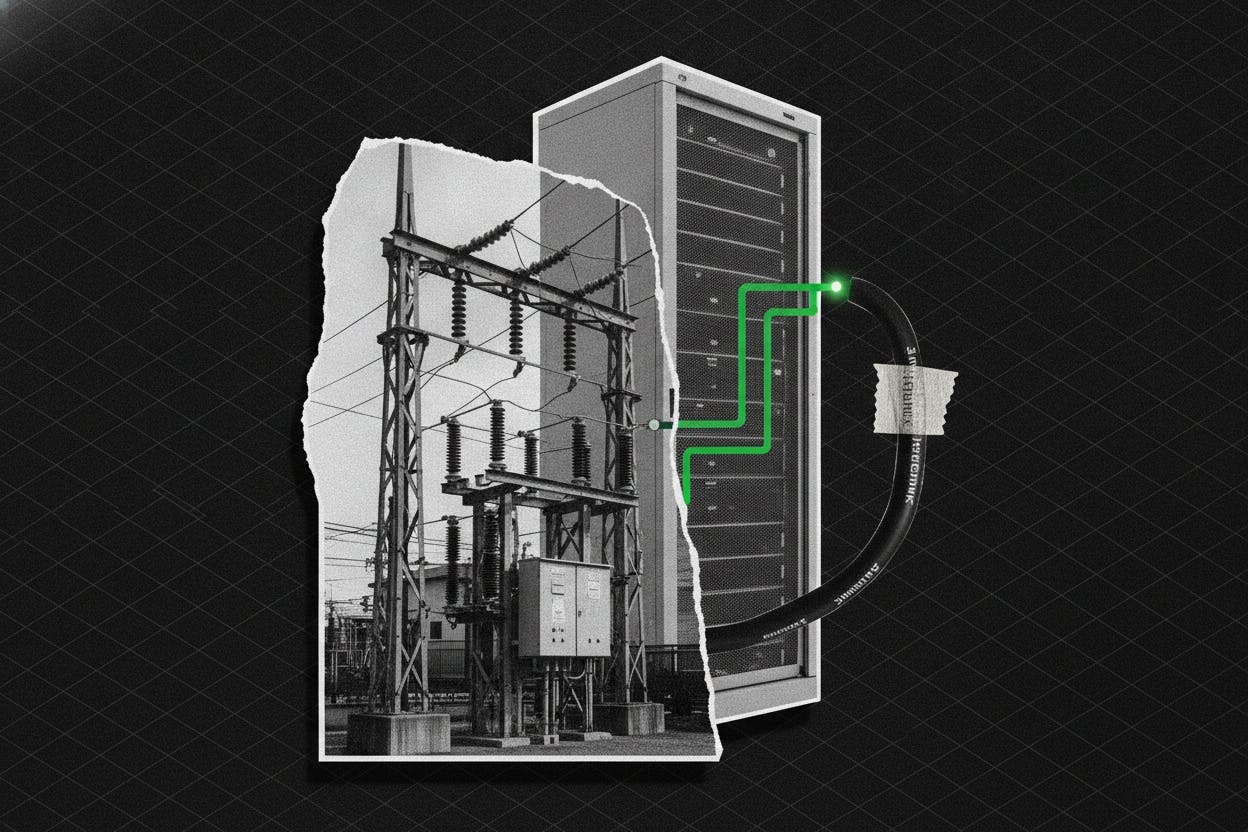
The company's grid technology division—which makes transformers, switchgear, and other equipment that moves electricity from power plants to homes and businesses—also benefits from the same trend. Aging grids in developed countries and new grids in emerging markets both need upgrades to handle higher loads.
Siemens Gamesa's turnaround
Siemens Gamesa, the wind turbine subsidiary, has been a drag on Siemens Energy for years, plagued by quality issues, supply chain problems, and rising costs. Its first operating profit in nearly four years is a significant milestone, suggesting that earlier restructuring efforts and a focus on higher-margin offshore wind projects are starting to pay off.
However, investors should be cautious. One profitable quarter does not mean the unit is fully out of the woods. The wind industry still faces headwinds from inflation, project delays, and competition from cheaper solar and gas. But the improvement is a positive sign for a company that has been working to stabilize its portfolio.
What it means for investors
For everyday investors, Siemens Energy's results are a reminder that the AI boom is not just about chipmakers and software companies. The physical infrastructure that powers data centers—including gas turbines and grid equipment—is seeing a surge in demand. This is part of a broader trend we've highlighted in our coverage of AI data center economics, where the hype around AI sometimes overshadows the actual profits being generated.
Companies like Siemens Energy are direct beneficiaries of this buildout. But they also face risks: gas turbine orders can be lumpy, and the transition to cleaner energy could eventually reduce demand for fossil-fuel-based power generation. Still, for now, the company is in a sweet spot.
The stock market has taken notice. Siemens Energy shares have rallied strongly over the past year as investors bet on the data center power demand story. However, valuations are not cheap, and any slowdown in AI spending or a hiccup in the Middle East could hit the stock.
For those looking at the broader energy sector, the results also highlight the ongoing importance of natural gas as a bridge fuel. Even as renewables grow, gas turbines are often the backup that keeps the lights on when the wind doesn't blow or the sun doesn't shine. This dynamic is likely to persist for years.
Looking ahead
Siemens Energy's order book is robust, giving it confidence in future quarters. The company will need to execute on its backlog, manage supply chains, and continue to fix Siemens Gamesa. Investors will also watch for any signs that data center demand is cooling, as that would directly impact the company's growth.
For now, the record quarter is a clear signal that the electrification of the economy is a powerful force. Whether it's AI, electric vehicles, or industrial reshoring, the need for more power is reshaping the energy landscape. Siemens Energy is positioned to benefit, but as with any investment, it's important to weigh the opportunities against the risks.