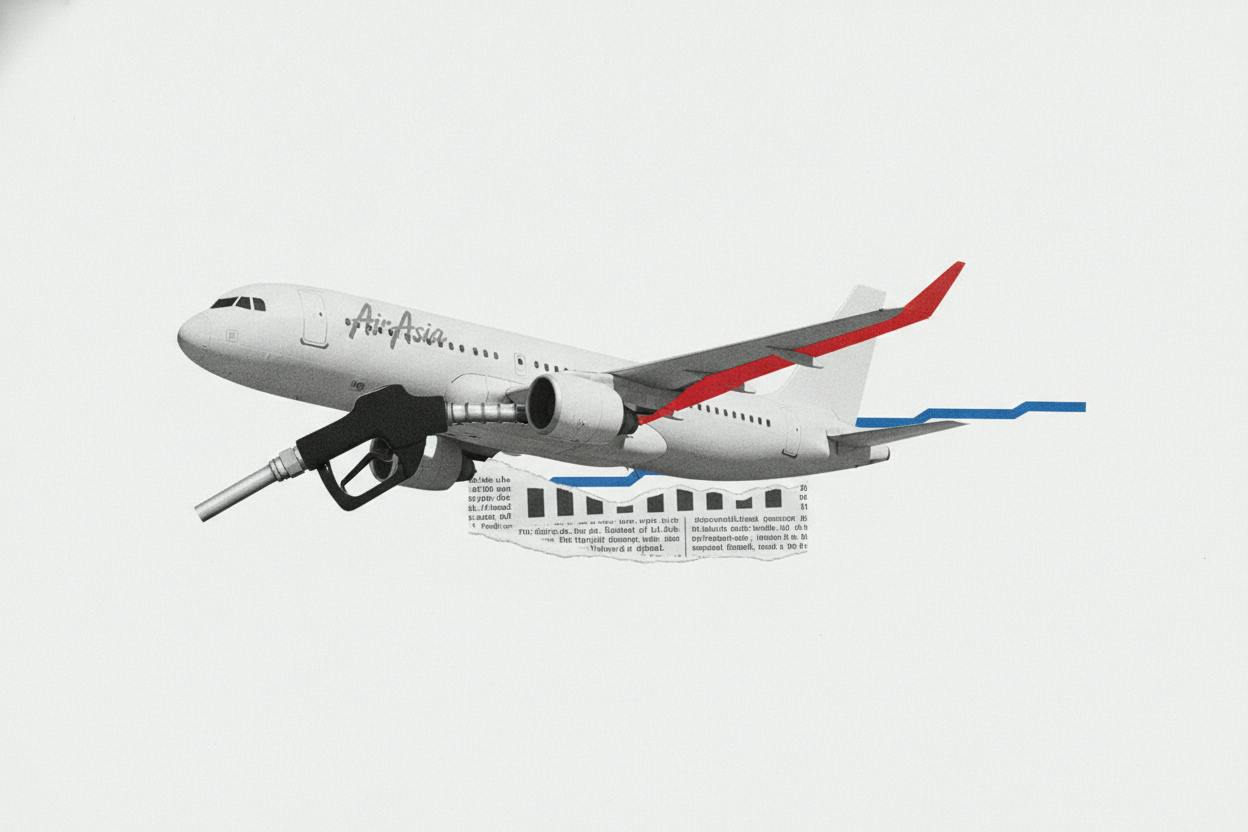
AirAsia's chief executive, Tony Fernandes, has sought to reassure investors that the airline's recent struggles with soaring fuel costs are not a replay of the COVID-19 pandemic, which brought the global aviation industry to a standstill. Speaking after the carrier reported a sharp rise in jet fuel expenses, Fernandes said demand remains robust despite the financial pressure.
Fuel costs surge, but demand holds
Jet fuel prices jumped 66% in the second quarter compared with the same period a year earlier, a significant cost shock for any airline. Fuel is typically one of the largest operating expenses for carriers, and such a steep increase can quickly erode profit margins. However, Fernandes described the period as the airline's "toughest" in recent memory, but stopped short of calling it a crisis on the scale of the pandemic.
"This is not COVID," he said, pointing to the fact that passenger demand has remained strong even as ticket prices have had to rise to offset higher fuel costs. Unlike the pandemic, when travel virtually ground to a halt, people are still flying, and bookings continue to come in.
The comments come as Malaysia's government has been running scenario planning on AirAsia's finances, a sign that regulators and policymakers are keeping a close watch on the carrier's ability to weather the cost pressures. Such planning typically involves stress-testing a company's balance sheet against various adverse conditions, such as further fuel price spikes or a slowdown in travel demand.
Why fuel prices matter for airlines
For airlines, fuel is a double-edged sword. When prices rise, carriers must either absorb the cost, which hits profits, or pass it on to passengers through higher fares, which can dampen demand. The 66% jump in jet fuel is particularly challenging because it comes at a time when many airlines are still rebuilding their balance sheets after the pandemic.
AirAsia, which operates a low-cost model, is especially sensitive to fuel costs because its competitive advantage lies in keeping fares low. The airline has historically used fuel hedging to manage price volatility, but the recent surge has outpaced any such protections.
Fernandes's confidence that this is not a pandemic replay is notable. During COVID-19, airlines around the world saw revenues collapse, and many required government bailouts or restructuring to survive. AirAsia itself was hit hard, and the group underwent a major financial restructuring in 2021.
What it means for investors
For everyday investors, the key takeaway is that AirAsia's management believes the current headwinds are manageable, even if they are painful. The fact that demand is holding up suggests that the airline can pass on higher costs to customers without losing too many bookings. That is a positive sign for the company's revenue outlook.
However, the government's scenario planning is a reminder that the situation is being monitored closely. If fuel prices continue to climb, or if demand weakens, AirAsia could face more serious financial strain. Investors should watch for updates on the airline's fuel hedging strategy, its ability to raise fares, and any signs that the Malaysian government might step in with support.
In the broader context, airlines globally are grappling with similar challenges. Higher fuel costs are a headwind for the entire sector, and carriers that are less efficient or have weaker balance sheets are more vulnerable. For those with exposure to airline stocks, it's worth keeping an eye on fuel price trends and how individual companies are managing their costs.
Fernandes's message is clear: this is a tough period, but not a repeat of the pandemic. Whether that holds true will depend on where fuel prices go next and how resilient consumer demand proves to be. For now, the airline is betting that its low-cost model and strong booking trends will see it through.