European stocks closed lower on [day], with the Stoxx Europe 600 index falling 1.1%, after a Bloomberg report said Saudi Aramco had warned some European refiners that they might receive no crude oil next month. The warning raised fresh concerns about the reliability of global oil supplies and added to a cautious mood across markets.
What happened
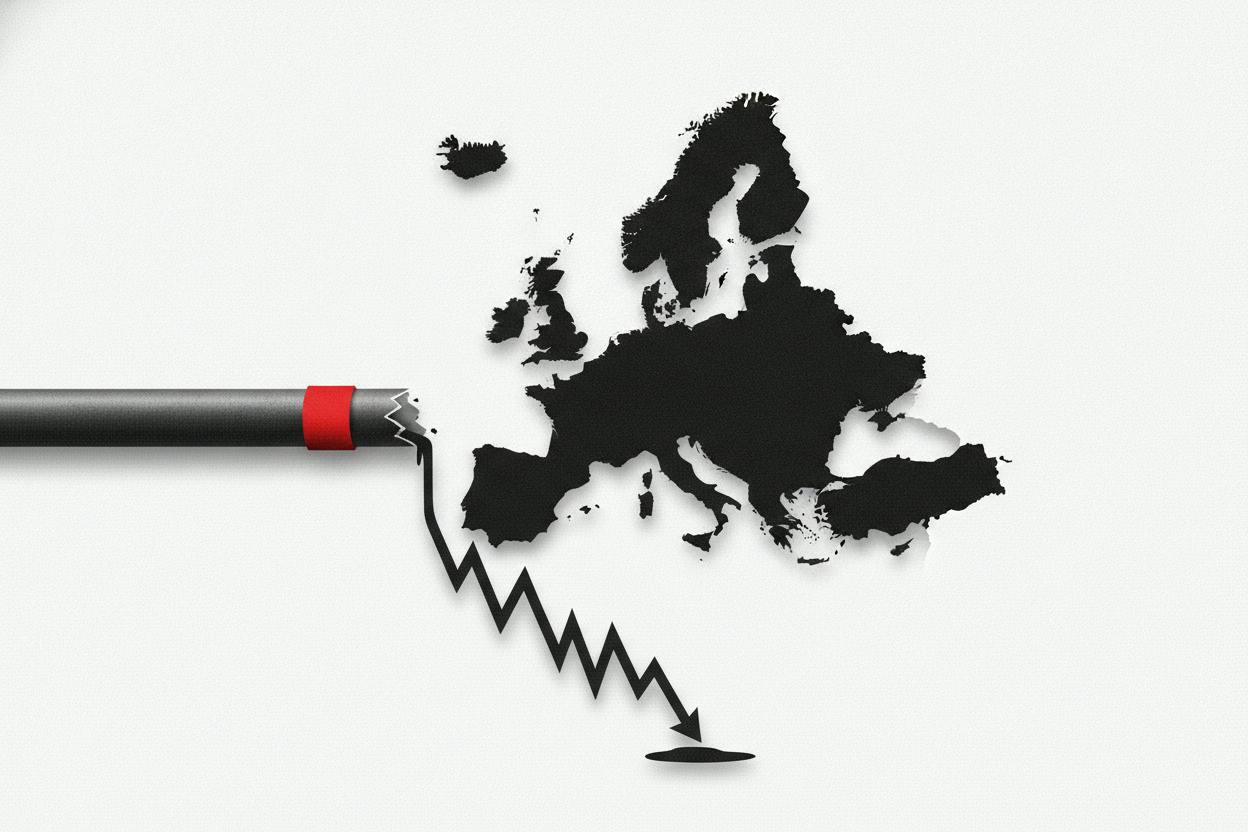
According to Bloomberg, Saudi Aramco—the world's largest oil exporter—told a number of European refiners that their scheduled crude deliveries for next month could be cut to zero. The report did not specify which refiners were affected or the exact volumes involved, but the mere possibility of a complete halt in shipments was enough to unsettle investors.
The news comes amid already tight global oil markets. Crude prices have been volatile in recent weeks, with Brent and WTI hovering near multi-month highs. Any disruption to Saudi exports—which account for roughly 10% of global supply—can have an outsized impact on prices and, by extension, on inflation and economic growth.
For European refiners, a sudden loss of Saudi crude would force them to seek alternative supplies, likely at higher costs. That could squeeze their margins and, eventually, feed into higher fuel prices for consumers and businesses.
Why it matters for investors
The immediate market reaction was a broad sell-off in European equities, with energy, industrial, and consumer stocks all feeling the pressure. But the deeper concern is what this means for inflation and central bank policy.
Higher oil prices translate directly into higher energy costs, which can push up inflation. That, in turn, could prompt central banks like the European Central Bank and the Federal Reserve to keep interest rates higher for longer—a scenario that tends to weigh on stock valuations, especially for growth-oriented companies.
For everyday investors, this is a reminder that geopolitical events can ripple through markets quickly. Even if you don't own oil stocks directly, a supply shock can affect your portfolio through higher input costs for companies, weaker consumer spending, and shifts in interest rate expectations.
Investors will be watching crude prices closely in the coming days. If the Saudi warning leads to actual supply shortfalls, oil could push higher, adding to the triple test of yields, oil, and AI sentiment that markets are already grappling with.
Broader market context
The decline in European stocks was not isolated. Global markets have been on edge recently, with Treasury yields near 5% and volatility elevated. The combination of high yields and oil price uncertainty creates a challenging backdrop for equities.
In the Middle East, tensions have split UAE stocks, with Abu Dhabi rising while Dubai fell, reflecting the uneven impact of regional instability. The Saudi supply warning adds another layer of uncertainty to an already fragile geopolitical picture.
For European investors, the immediate takeaway is that energy security remains a fragile issue. The continent has worked to diversify its energy sources since the Russia-Ukraine conflict, but it still relies heavily on imported oil and gas. Any disruption to major suppliers like Saudi Arabia can quickly translate into higher costs and slower growth.
What to watch next
Investors should keep an eye on official statements from Saudi Aramco and the Saudi energy ministry. If the warning is confirmed and extended to other regions, oil prices could spike further. Conversely, if it turns out to be a temporary logistical issue, markets may recover quickly.
Also watch for how European refiners respond. Some may announce alternative supply arrangements, which could affect their earnings and stock prices. The energy sector, which has been a bright spot in recent months, could see increased volatility.
For now, the message for everyday investors is to stay diversified and not overreact to a single headline. While supply shocks can cause short-term market swings, long-term portfolios are built to weather such events. Keeping a balanced mix of assets—stocks, bonds, and perhaps some commodities—can help cushion the impact of oil-driven volatility.
As always, it's wise to review your portfolio's exposure to energy costs and consider whether you're comfortable with the level of risk. But remember, no one can predict the next geopolitical twist, so focus on your long-term goals rather than day-to-day market noise.