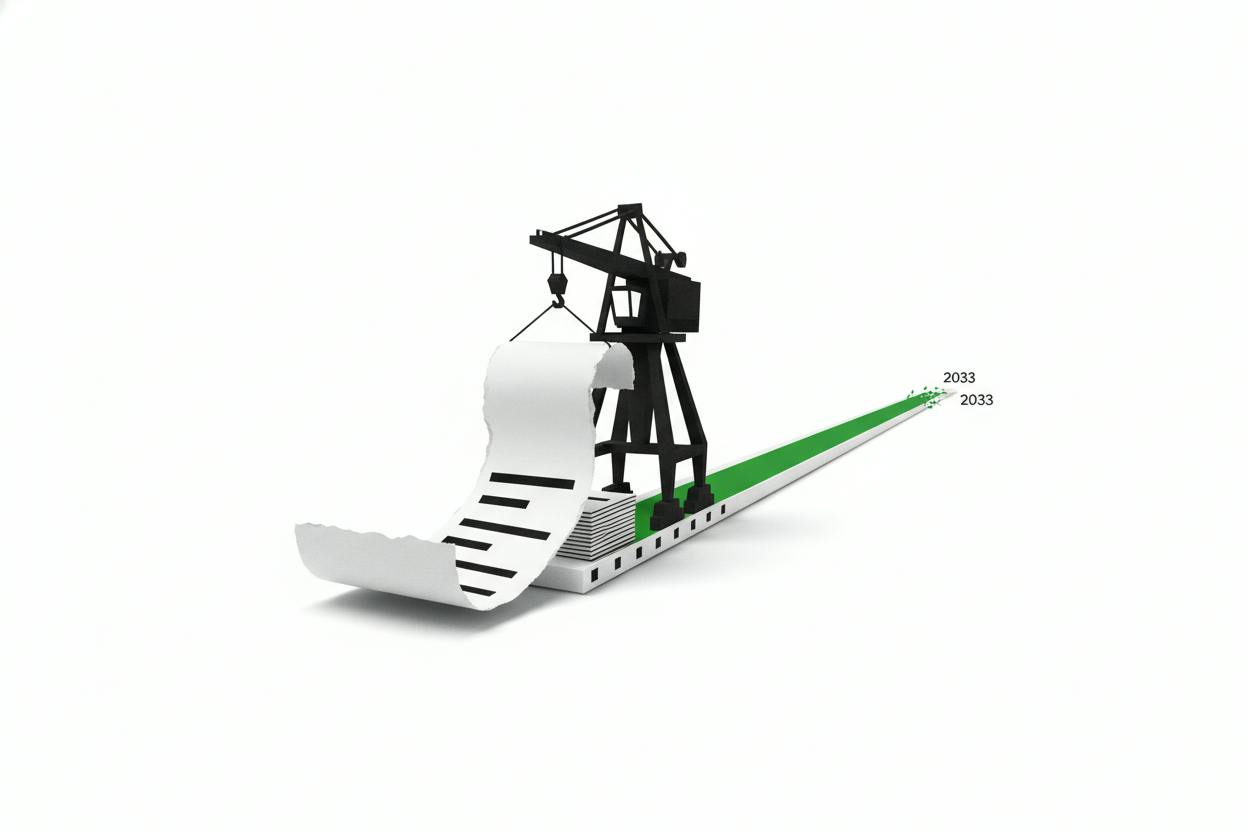
Singapore-based maritime and energy engineering firm Seatrium has told investors that its order book is large enough to sustain revenue through at least the end of 2033. The company ended September with a backlog of S$12.2 billion spread across 35 projects, and it has added up to S$1.7 billion in new orders so far this year.
The announcement is an attempt to steer attention away from short-term order headlines and toward something steadier: revenue visibility. For a company like Seatrium, which builds and services offshore rigs, vessels, and energy infrastructure, a long backlog is a crucial measure of future earnings. Many of its contracts are multi-year and milestone-based, meaning the timing of revenue can shift, but the overall pipeline is easier to plan around.
Why the backlog matters
For investors, a large order book is a sign of financial health. It shows that customers are committed to paying for work that hasn't been done yet, which reduces uncertainty about future revenue. In industries like shipbuilding and offshore engineering, where projects can take years to complete, a robust backlog is often more important than quarterly order numbers.
Seatrium's S$12.2 billion backlog is particularly notable because it provides a multi-year runway. The company says this visibility extends to at least 2033, giving management a clearer picture of cash flows and resource allocation. That kind of predictability is valuable in a sector that has historically been volatile, with boom-and-bust cycles tied to oil prices and global energy demand.
The firm also noted that its margin improved versus the first half of the year, though it did not provide specific figures. That suggests the company is not just filling its pipeline but also becoming more efficient at executing projects, which could translate into better profitability over time.
What this means for investors
For everyday investors, the key takeaway is that Seatrium is positioning itself as a long-term play rather than a short-term trading story. A strong backlog reduces the risk of sudden revenue shortfalls, which can be a concern for companies in capital-intensive industries. However, it's important to remember that a backlog is not a guarantee of profit—cost overruns, project delays, and changes in customer demand can still affect the bottom line.
Seatrium operates in the energy sector, which has seen mixed signals recently. While oil prices have been volatile, there is ongoing demand for offshore drilling and energy infrastructure. The company's focus on energy engineering ties it to broader trends in fossil fuels and the transition to cleaner energy. Investors watching the sector may also be tracking energy stocks slipping as oil dips, a reminder that commodity prices can influence sentiment across the industry.
Seatrium's announcement comes at a time when mega-deals are returning across energy and banking, signaling renewed confidence in large-scale projects. That backdrop could support further order growth for companies like Seatrium, though it also means competition for contracts may intensify.
Looking ahead
Investors will likely watch two things in the coming quarters: whether Seatrium can continue to win new orders at a healthy pace, and whether it can convert its backlog into profit margins that meet or beat expectations. The company's ability to maintain its 2033 revenue outlook will depend on execution, cost control, and the health of the global energy market.
For now, the S$12.2 billion backlog provides a solid foundation. But as with any long-cycle business, the real test is not just how much work is on the books, but how well the company delivers on it. Seatrium's improved margin in the first half is a positive sign, but sustained performance will be key to winning over long-term investors.
In the broader context, copper and oil dragging miners and energy lower shows how commodity prices can quickly shift market sentiment. Seatrium's diversified project base across maritime and energy engineering may help cushion such swings, but it doesn't make the company immune to them.
Ultimately, the message from Seatrium is clear: the company is thinking in terms of decades, not quarters. For investors who value stability and long-term planning, that's an appealing narrative. But it's worth remembering that a long backlog is only as strong as the projects behind it—and those projects come with their own risks.