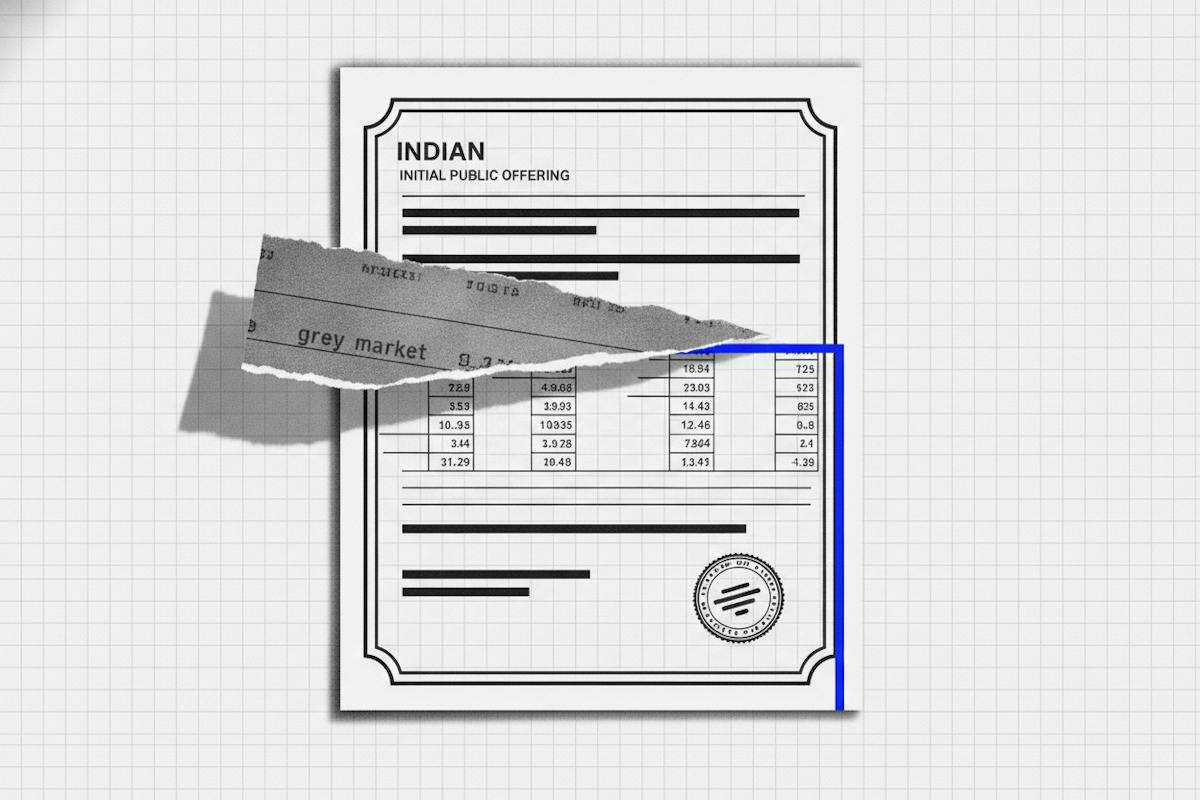
India's securities regulator, the Securities and Exchange Board of India (SEBI), is considering a new, regulated platform for trading shares before a company goes public. The goal is to bring the so-called 'grey market' for pre-IPO shares into the open, where investors would get clearer information and legal safeguards.
In a recent statement, SEBI warned that the grey market—an informal, unregulated space where shares of upcoming IPOs are bought and sold—offers investors little to no protection. Prices there are set by word of mouth and speculation, with no official disclosures or oversight. That can leave retail investors exposed to manipulation and sudden losses.
What is the grey market?
For years, a shadowy trade has flourished around India's hotly anticipated IPOs. Before a company lists on the stock exchange, its shares are often traded informally through brokers and dealers, with prices quoted as a 'grey market premium.' This premium is the amount above the IPO price that investors are willing to pay to get in early.
Because these trades happen off-exchange, they are not subject to SEBI's rules. There is no requirement for the company to disclose financials, no transparency about who is buying or selling, and no guarantee that the shares actually exist. For a retail investor, it is a bit like buying a ticket to a concert from a stranger outside the venue—you might get in, or you might be left holding a worthless piece of paper.
SEBI's proposal would create a formal platform where pre-IPO shares could be traded, but with new disclosure requirements. Companies would likely have to provide more information about their financial health and the terms of the shares, and trades would be recorded and monitored. That would give investors a clearer picture of what they are buying and reduce the risk of fraud.
Why does this matter?
India's IPO market has been booming, with a wave of new listings from tech startups, financial firms, and consumer companies. That has fueled demand for pre-IPO shares, as investors try to get a head start on what they hope will be a big pop on listing day. But the grey market has also attracted criticism for being opaque and prone to price manipulation.
By moving this activity onto a regulated platform, SEBI aims to protect ordinary investors who might otherwise be lured by the promise of quick gains without understanding the risks. It also brings the trade into the tax net and gives regulators better visibility into who is buying and selling.
The move is part of a broader push by SEBI to modernize India's capital markets. The regulator has already tightened rules around IPO pricing and allotment, and it has been cracking down on unregulated investment advice. A formal pre-IPO platform would be another step toward making the market safer and more transparent.
What it means for investors
For everyday investors, the key takeaway is that the grey market is risky. Prices there are not based on any official valuation, and there is no guarantee that the shares will even be delivered. SEBI's proposal, if implemented, would give investors a safer way to participate in pre-IPO opportunities, but it would also likely reduce the outsized returns that some have enjoyed in the grey market.
Investors should also note that the proposal is still at the discussion stage. SEBI has not yet published detailed rules, and any new platform would take time to build and roll out. In the meantime, the grey market will continue to operate, but investors should be aware that they are doing so at their own risk.
For those looking to invest in IPOs, the safest route remains the official IPO process, where companies file a prospectus with SEBI and shares are allotted through a transparent bidding system. That process is already regulated and offers investors the protections that the grey market lacks.
As India's markets grow, the regulator's push for transparency is likely to continue. Whether that means a fully-fledged pre-IPO exchange or a more limited disclosure regime, the direction is clear: the days of unregulated, back-room share trading may be numbered.