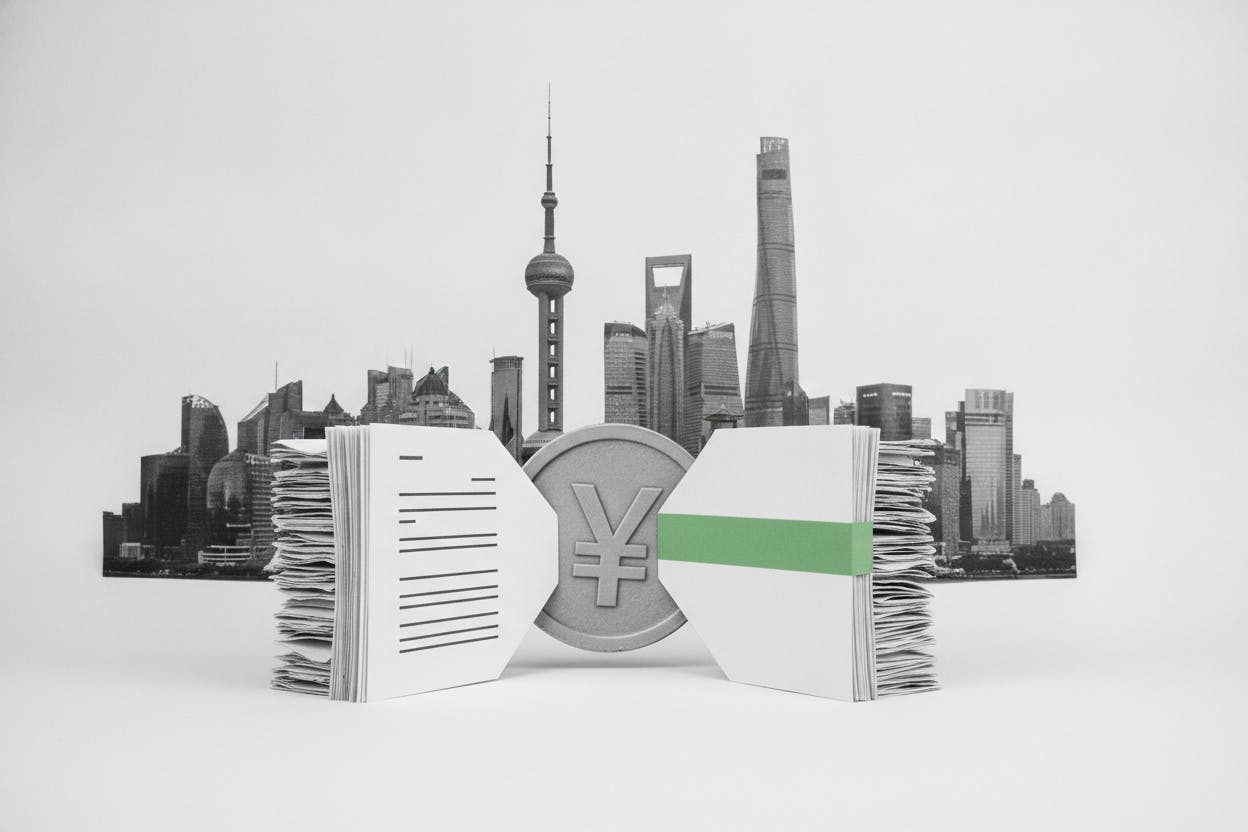
Shanghai Electric, one of China's largest industrial conglomerates, is preparing to test the waters for offshore yuan bonds in Shanghai's free trade zone. According to a Reuters report, its overseas financing arm plans to issue 1.5 billion yuan (about $210 million) in three-year notes, known as "Pearl Bonds."
The move comes as Shanghai seeks to revive its offshore yuan bond market, a key part of its ambition to become a global financial hub for the Chinese currency. For everyday investors, this is a signal that China is pushing to internationalize the yuan and deepen its capital markets, even as global interest rates remain volatile.
What Are Pearl Bonds?
Pearl Bonds are yuan-denominated bonds issued in Shanghai's free trade zone. They are designed to attract offshore yuan—money held outside mainland China—and give international investors a way to participate in China's debt market without the usual restrictions. The name echoes "Panda Bonds," which are yuan bonds issued by foreign entities in mainland China, but Pearl Bonds are specifically tied to the free trade zone framework.
Shanghai Electric Global Capital Ltd., the group's overseas unit, is expected to market the deal with initial price guidance around 1.88%. The proceeds are slated for general corporate purposes, working capital, and refinancing, according to two people familiar with the matter. This is a typical use of funds for such bond sales, allowing the company to manage its debt and fund day-to-day operations.
The 1.5 billion yuan size is modest by global bond standards, but it's significant for the Pearl Bond market, which has seen limited activity in recent years. A successful sale could encourage other Chinese companies to follow suit, boosting Shanghai's credentials as an offshore yuan center.
Why This Matters for Investors
For investors, the key takeaway is the signal about China's financial opening. If Pearl Bonds gain traction, they could offer a new avenue for international investors to gain exposure to Chinese corporate debt. However, these bonds are typically bought by institutional investors, not retail, so the direct impact on everyday portfolios is limited.
Still, the development is part of a broader trend: Chinese companies are increasingly looking to raise funds in yuan offshore, which could affect currency markets and the value of the yuan. A stronger offshore yuan market might also make it easier for foreign investors to diversify into Chinese assets, which could have ripple effects on global portfolios.
For those holding yuan or investing in China-focused funds, this is a sign that the country is serious about making its currency more globally usable. But it's not a reason to change your investment strategy overnight. As with any bond issuance, the success depends on investor demand, and the 1.88% yield is relatively low, reflecting the current low-interest-rate environment in China.
What to Watch Next
Investors will be watching how the bond sale is received. If it's oversubscribed, it could signal strong appetite for offshore yuan assets, potentially leading to more such deals. If it struggles, it might indicate that investors are still cautious about China's economic outlook or the yuan's stability.
Shanghai Electric is a major player in power equipment and industrial manufacturing, so its financing moves are closely watched. The company has been expanding globally, and this bond sale is part of its strategy to diversify funding sources. For context, other recent market moves, such as Unitree's Shanghai IPO testing investor appetite, show that Shanghai is becoming a hotspot for capital-raising activities.
The Pearl Bond market has been quiet since its launch in 2015, with only a handful of issuances. This deal could be a litmus test for whether the market can finally take off. If successful, it might pave the way for more Chinese companies to tap offshore yuan funding, which would be a positive for Shanghai's financial ambitions.
For now, the deal is still in the marketing phase, and final terms could change. But the fact that Shanghai Electric is willing to test the market suggests that corporate treasurers see value in offshore yuan bonds, even in a challenging global rate environment.
As always, investors should keep an eye on the broader picture: China's economic recovery, the yuan's exchange rate, and global interest rate trends. These factors will determine whether Pearl Bonds become a regular feature of the offshore yuan market or remain a niche product.