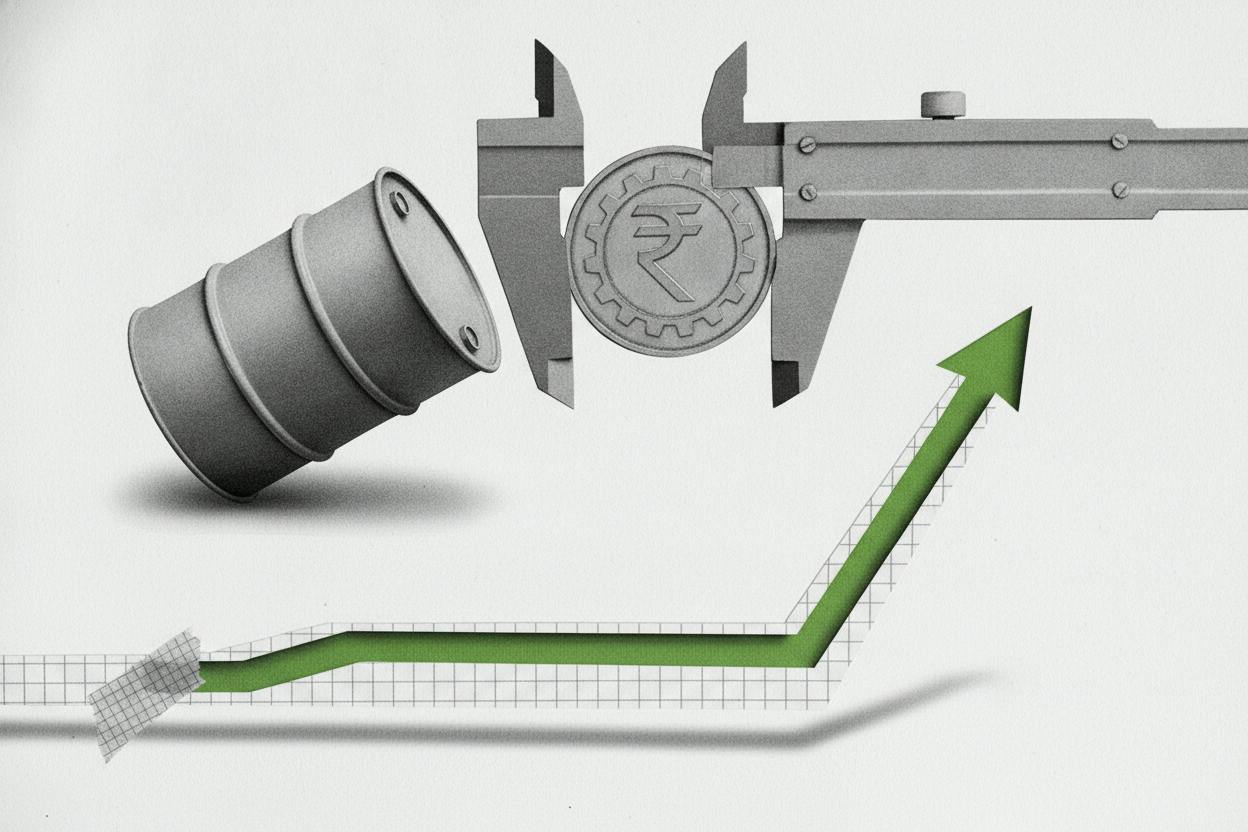
Copper and zinc markets are flashing a clear warning: supply is getting tighter. In the latest sign, China's copper inventories fell 15.9% in a single week, while key London Metal Exchange (LME) spreads for both metals pushed further into backwardation. For everyday investors, this is a signal that the metals' prices could stay elevated in the near term, with implications for everything from mining stocks to industrial supply chains.
What is backwardation and why does it matter?
Backwardation is a market condition where the spot price of a commodity is higher than the price for delivery in future months. In plain terms, buyers are willing to pay a premium to get metal right now, rather than waiting. That usually indicates that immediate supply is scarce relative to demand. When backwardation widens, it suggests the squeeze is intensifying.
For copper and zinc, the latest LME data shows that this premium has grown, meaning traders are increasingly worried about near-term availability. This is a notable shift from earlier periods when the market was in contango—the opposite condition, where future prices are higher than spot, often signaling ample supply.
Why are supplies tightening?
The brief points to two main drivers: disruptions and smelter reviews. In the copper market, smelters—facilities that process ore into refined metal—are undergoing reviews that can slow output. Meanwhile, zinc has faced its own set of operational issues. These disruptions come at a time when demand, particularly from China, remains steady.
China is the world's largest consumer of both metals, so a sharp drop in its copper inventories is a big deal. A 15.9% weekly decline is a substantial move, and it suggests that Chinese buyers are drawing down stockpiles faster than they are being replenished. This could be due to a combination of strong manufacturing activity, infrastructure spending, or supply chain hiccups.
What this means for investors
For investors, the immediate takeaway is that copper and zinc prices may have support in the near term. When inventories are low and backwardation is wide, it often signals that prices could rise or at least stay firm. This is particularly relevant for those holding shares in mining companies, as higher metal prices typically boost their revenues and profits.
However, it's important to remember that commodity markets are volatile and influenced by many factors. A sudden change in global economic outlook, a resolution to trade tensions, or a shift in Chinese policy could quickly alter the picture. For example, if China's economy slows more than expected, demand for metals could weaken, and prices could fall despite tight inventories.
Investors should also consider the broader context. Copper is often called "Dr. Copper" because its price can signal the health of the global economy. A tight copper market might be a sign of robust industrial activity, but it could also be a warning of supply constraints that could feed into inflation. Similarly, zinc is used in galvanizing steel, so its price is tied to construction and manufacturing.
What to watch next
Market participants will be watching several indicators in the coming weeks. First, whether China's copper inventories continue to fall or stabilize. Second, any news on smelter operations and whether disruptions are resolved quickly. Third, the trajectory of LME spreads—if backwardation continues to widen, it could signal a more prolonged squeeze.
Also on the radar is the broader trade environment. Recent headlines, such as China stocks slipping despite a US trade truce extension, show that geopolitical factors remain in play. A trade deal that boosts global growth could increase demand for metals, while a breakdown could have the opposite effect.
For those interested in the Chinese demand side, China's gold imports via Hong Kong rising is a reminder that Chinese appetite for commodities remains strong, even as other sectors face headwinds.
The bottom line
The latest data on copper and zinc is a clear signal that supply is tight in the near term. For investors, this could mean higher prices for these metals, which is good news for miners but a potential cost pressure for manufacturers. As always, it's wise to keep an eye on the fundamentals and not overreact to short-term moves. The metals market is complex, and while backwardation is a useful indicator, it's just one piece of the puzzle.