European equities moved higher on Friday, with the region's benchmark STOXX 600 index on course to post its first weekly gain in a month. The pan-European gauge rose 0.7% to 640.66 by early morning in London, putting it in position to end a three-week losing streak. Most major regional markets traded in positive territory.
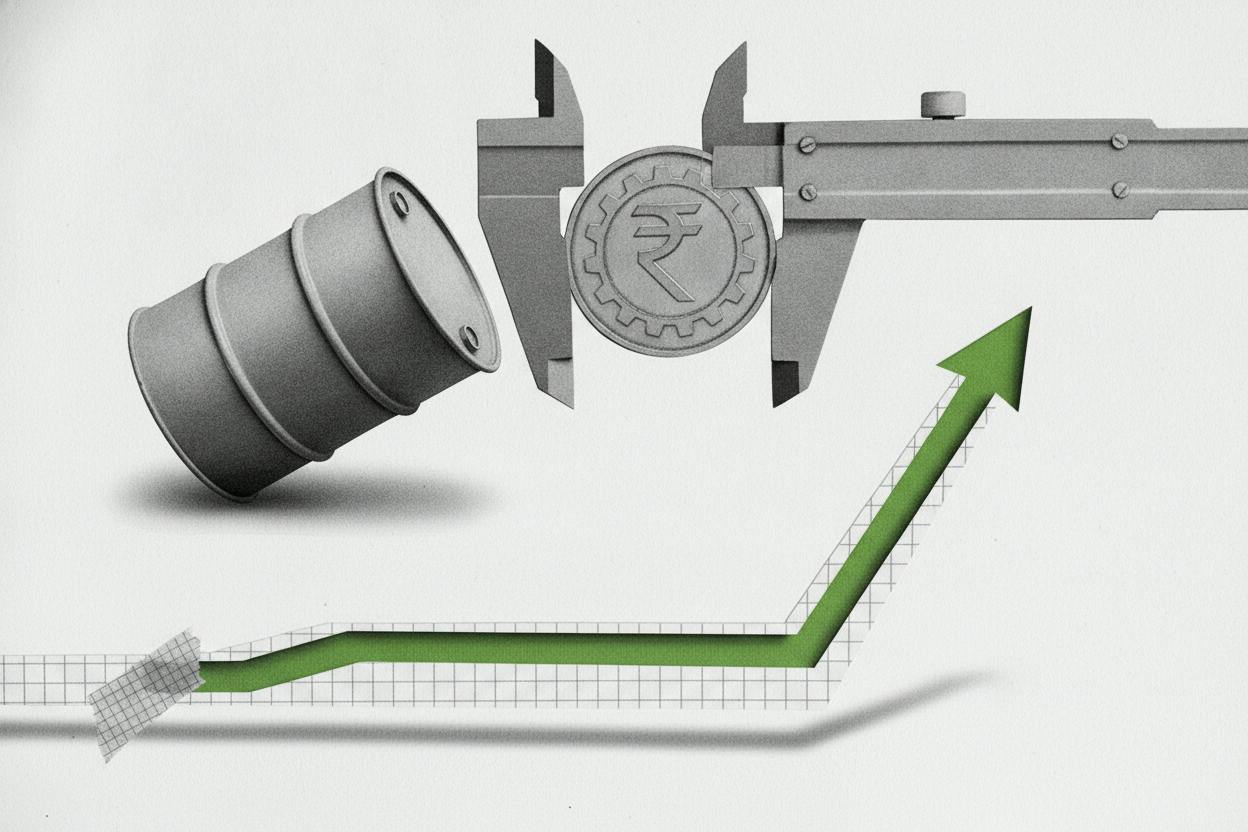
The catalyst was a pullback in oil prices, which eased after two consecutive sessions of gains. Traders were digesting a mix of signals from the Middle East, including talk of a potential de-escalation between the US and Iran alongside fresh attacks involving the Houthis. That softer tone in crude rippled through European sectors, dragging energy shares down 0.7% while travel and leisure stocks climbed 1.2%.
Why oil prices matter for European stocks
Europe is a large net importer of energy, which makes the price of crude a key input for corporate costs and consumer spending power across the continent. When oil rises, it tends to act as a tax on households and businesses — squeezing margins for airlines, logistics firms and manufacturers while boosting the profits of oil majors like Shell and BP.
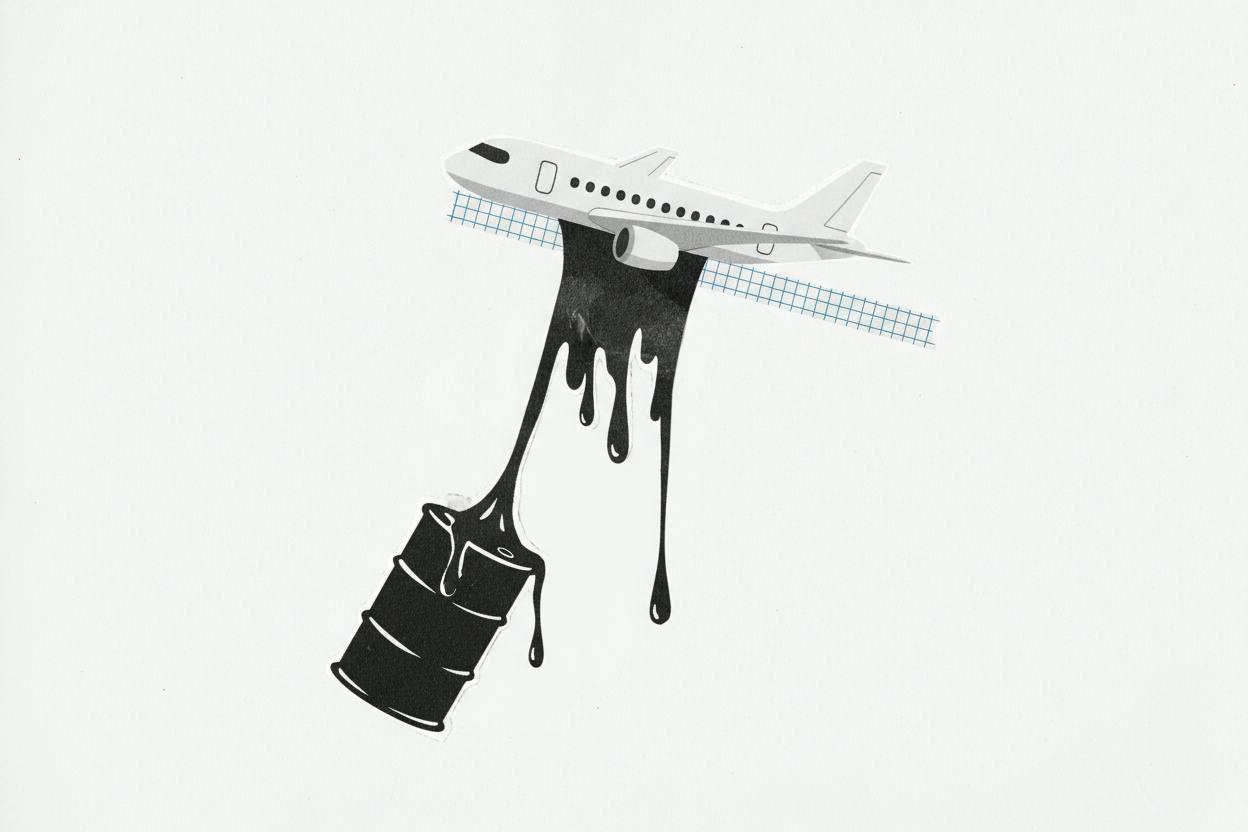
When oil cools, that dynamic flips. Lower fuel costs can ease pressure on transport companies and give consumers a bit more breathing room. That helps explain Friday's sector split: energy producers gave back some recent gains, while airlines and travel-related names — which burn jet fuel as a major expense — moved higher.
The oil market itself has been unusually sensitive to headlines from the Middle East. Any hint of a diplomatic breakthrough between Washington and Tehran tends to push crude lower, because a deal could eventually mean more Iranian barrels returning to global markets. Conversely, attacks on shipping in the Red Sea or the Strait of Hormuz raise fears of supply disruptions and send prices spiking. Investors have been whipsawed by both narratives in recent weeks, and Friday's move reflected the market leaning toward the calmer interpretation — at least for now.
What it means for investors
For everyday investors, the STOXX 600's weekly gain is a reminder of how quickly sentiment can shift when a single macro input — in this case, oil — changes direction. The index had been under pressure for three straight weeks, partly because higher energy costs and geopolitical uncertainty weighed on risk appetite. A softer crude price gave buyers a reason to step back in.
It's worth keeping the move in perspective. A 0.7% daily gain and a positive week do not erase the prior month's losses, and the underlying risks have not disappeared. Middle East tensions remain fluid, and any escalation could quickly reverse the oil pullback that helped stocks on Friday. Investors should also watch how the energy sector reacts in the coming sessions: if oil stays subdued, integrated majors may see earnings estimates trimmed, while transport and leisure names could benefit.
Beyond oil, European equities are still navigating a broader backdrop of uncertain economic growth, central bank policy and currency swings. The European Central Bank's next moves on interest rates will matter for rate-sensitive sectors like banks, real estate and utilities. Meanwhile, a weaker euro can flatter the overseas earnings of exporters, while a stronger one does the opposite.
For those with diversified portfolios, days like Friday are less about making big bets and more about understanding the connections between markets. Oil is not just an energy story — it feeds into inflation, consumer spending, corporate margins and, ultimately, stock prices across many sectors. Watching how those links play out can help investors interpret the headlines rather than react to them.
Related reading: oil's sharp swing and Iran deal talk, rising Treasury yields pressuring stocks, and Asian markets reacting to oil and yields.