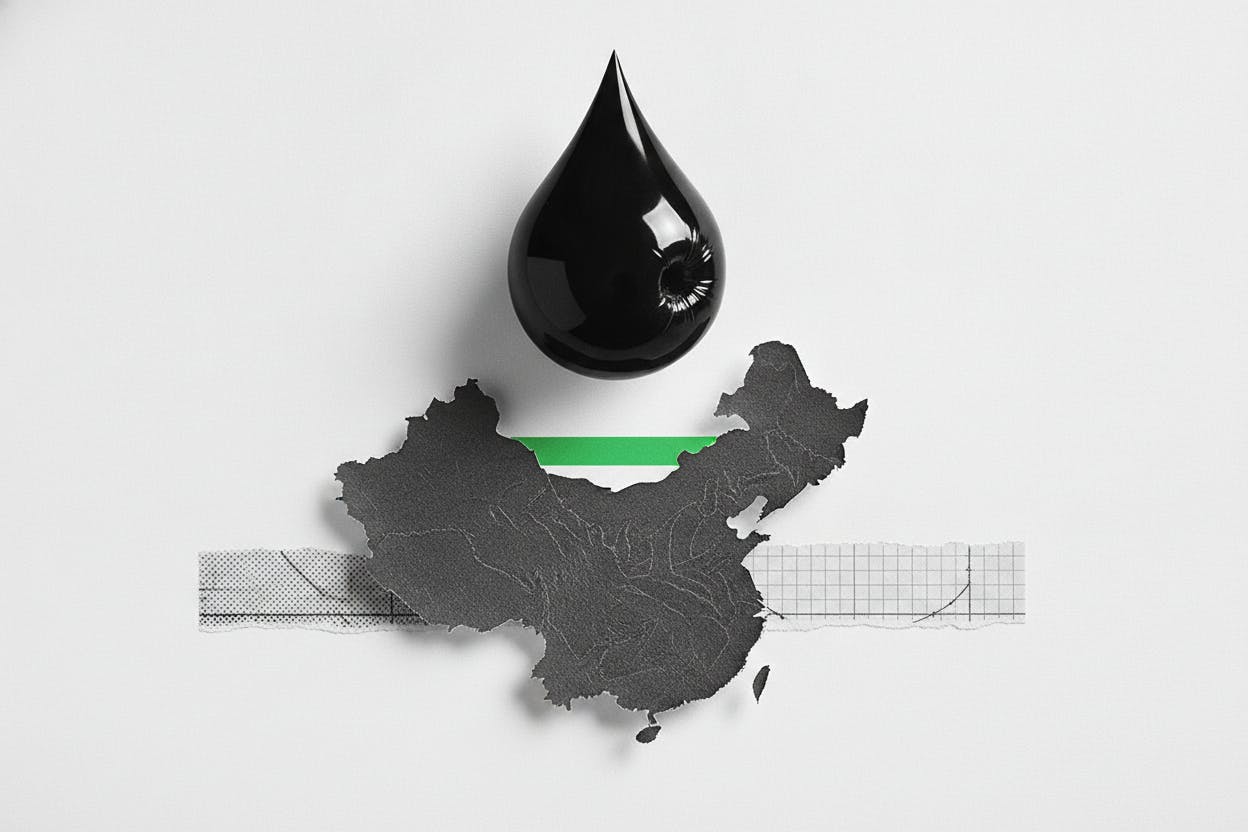
Chinese stocks closed sharply higher on Tuesday, with the Shanghai Composite adding 1.5%, as a drop in global oil prices on signs of diplomatic progress in the US-Iran conflict lifted investor sentiment across the mainland. The Shenzhen Component, which tracks smaller and tech-heavy listings, rose even more, gaining 1.9%.
The catalyst was a slide in crude prices. Brent, the international benchmark, fell to about $79 a barrel, well below its July peak of $102, after reports suggested that mediators were making headway in talks related to the US-Iran standoff. The prospect of a de-escalation eased fears that the Strait of Hormuz—a narrow waterway through which a large share of the world's oil passes—could remain disrupted.
Why the Strait of Hormuz matters
The Strait of Hormuz, located between Iran and Oman, is one of the most critical chokepoints for global energy supplies. Roughly a fifth of the world's oil consumption moves through it, mostly by tanker. Any threat of closure or disruption can send prices spiking, as seen earlier this summer when tensions in the region pushed Brent above $100.
For China, the world's largest importer of crude, lower oil prices are a welcome relief. Cheaper energy reduces the cost of fuel for factories, transport, and power generation, which can help ease inflationary pressures and support economic activity. That helps explain why mainland stocks responded so positively to the oil slide.
The move also rippled through other markets. In the US, stocks rose as Hormuz deal hopes pushed oil lower, while energy companies saw their shares drag as oil and gas prices slid. The broader market mood improved as investors bet that a calmer Middle East could reduce global uncertainty.
What it means for investors
For everyday investors, the connection between geopolitics and your portfolio can feel distant, but it's direct. When oil prices fall, companies that rely heavily on energy—like airlines, shipping firms, and manufacturers—tend to benefit because their input costs drop. Conversely, energy producers and oil-services companies often see their shares decline.
For those with diversified portfolios, the key takeaway is that geopolitical events can create short-term swings, but the underlying fundamentals—earnings, interest rates, and economic growth—usually drive long-term returns. The recent rally in Chinese stocks, for instance, is partly a relief rally, but it also reflects optimism that lower energy costs could help the world's second-largest economy.
Investors should also keep an eye on the talks themselves. While progress is encouraging, negotiations can be fragile, and any breakdown could quickly reverse the oil price drop. As seen in recent weeks, the market has swung sharply on headlines from the region, with Hong Kong stocks slipping on earlier tension-driven oil gains.
The broader trend, however, is that oil prices have retreated significantly from their July peak. That has helped cool inflation expectations globally, which is one reason central banks may feel less pressure to keep interest rates high. For bond and stock investors, that's a supportive backdrop.
Looking ahead
Markets will now watch for further developments in the US-Iran talks, as well as any signs of renewed tension in the region. A lasting deal could keep oil prices contained, which would be a tailwind for import-dependent economies like China and Japan. On the other hand, a breakdown in negotiations could send crude back above $90 and reignite volatility.
For now, the mood is cautiously optimistic. As one market strategist put it, "The market is breathing a sigh of relief, but it's not out of the woods yet." Investors should stay diversified and avoid making big bets based on daily headlines.
For those interested in the broader picture, the recent moves in Chinese stocks and oil are part of a larger story about how geopolitical risk interacts with global markets. The combination of Hormuz reopening hopes and strong earnings has helped lift equities in several regions, while energy stocks have lagged as prices fall.
Ultimately, the takeaway for everyday investors is simple: oil prices matter, but they're just one piece of the puzzle. Keep your portfolio balanced, focus on your long-term goals, and don't let short-term geopolitical noise derail your strategy.