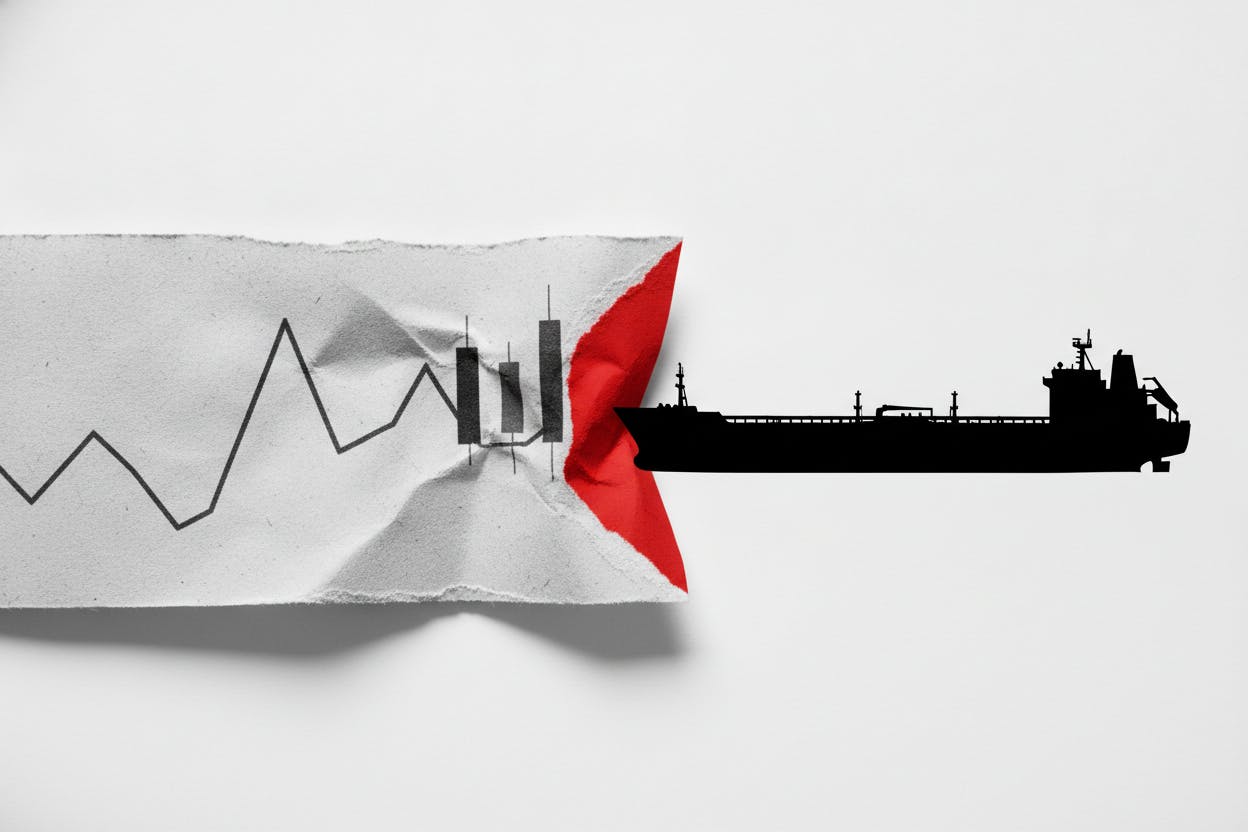
Hong Kong stocks slipped on Tuesday, with the Hang Seng Index closing down 0.6% as geopolitical tensions around the Strait of Hormuz kept oil prices elevated and investors weighed the latest US earnings reports and the fate of AI-linked shares.
The benchmark fell 156.48 points to 25,852.92, while the Hang Seng China Enterprises Index also declined. The moves came as crude prices edged higher following recent attacks on shipping in the region, adding to a backdrop of uncertainty for global markets.
Why the Strait of Hormuz matters
The Strait of Hormuz is a narrow waterway between the Persian Gulf and the Gulf of Oman, through which roughly a fifth of the world's oil passes. Because so much crude moves through this chokepoint, any disruption—whether from military strikes, sabotage, or diplomatic stand-offs—can quickly translate into higher energy prices.
Investors treat the strait as a live macro risk. When attacks on shipping or heightened geopolitical friction raise the odds of supply disruption, oil prices often pick up a "risk premium"—extra dollars per barrel that reflect the potential for shortages. That premium can ripple through equity markets, especially in Asia, where many economies are net importers of energy.
Tuesday's decline in Hong Kong came as oil prices moved higher, a reminder that geopolitical shocks can weigh on investor sentiment even when the underlying economic data is solid. The move also echoed broader regional trends, with other Asian markets showing caution. For more on how oil's Hormuz bounce is affecting stocks, see our earlier analysis.
US earnings and the AI trade
Beyond geopolitics, investors are focused on the US corporate earnings season. Strong results from major companies have helped support equity markets in recent weeks, but the question is whether that momentum can continue—especially for technology and AI-related names that have driven much of the rally.
AI-linked stocks have been a key driver of global market gains, but they have also shown vulnerability to profit-taking and valuation concerns. As earnings season progresses, investors are looking for signs that the AI boom is translating into real profits, not just hype. For a deeper dive into whether the recent AI infrastructure sell-off is overdone, check out this piece.
In Hong Kong, tech and internet giants are closely watched, and their performance often mirrors sentiment toward US tech. If US earnings disappoint, AI-linked shares in Asia could feel the pressure. Conversely, strong results could help offset geopolitical worries.
What it means for investors
For everyday investors, the combination of geopolitical risk and earnings uncertainty creates a tricky environment. Oil price spikes can hurt companies that rely heavily on energy inputs, while benefiting energy producers. But the broader market impact is often muted unless the disruption becomes prolonged.
"Geopolitical events like this tend to create short-term volatility rather than long-term trends," says a market strategist. "The key is to watch whether the situation escalates or de-escalates."
Investors should also keep an eye on the US earnings season, as corporate results can influence global sentiment. If AI-linked companies continue to deliver strong numbers, that could provide a floor under tech stocks. But if the earnings momentum fades, the market could become more sensitive to other risks.
For those with exposure to Hong Kong or Asian equities, diversification remains important. Geopolitical shocks are hard to predict, and having a mix of asset classes can help cushion the impact. As always, it's wise to focus on long-term goals rather than reacting to daily headlines.
Looking ahead, traders will be watching for any further developments in the Strait of Hormuz, as well as the next batch of US earnings. The interplay between oil prices, AI sentiment, and corporate results will likely continue to shape market direction in the coming days.
For more on how Asian markets are navigating these crosscurrents, see our coverage of the Nikkei's response and how oil's recent moves have affected the region.