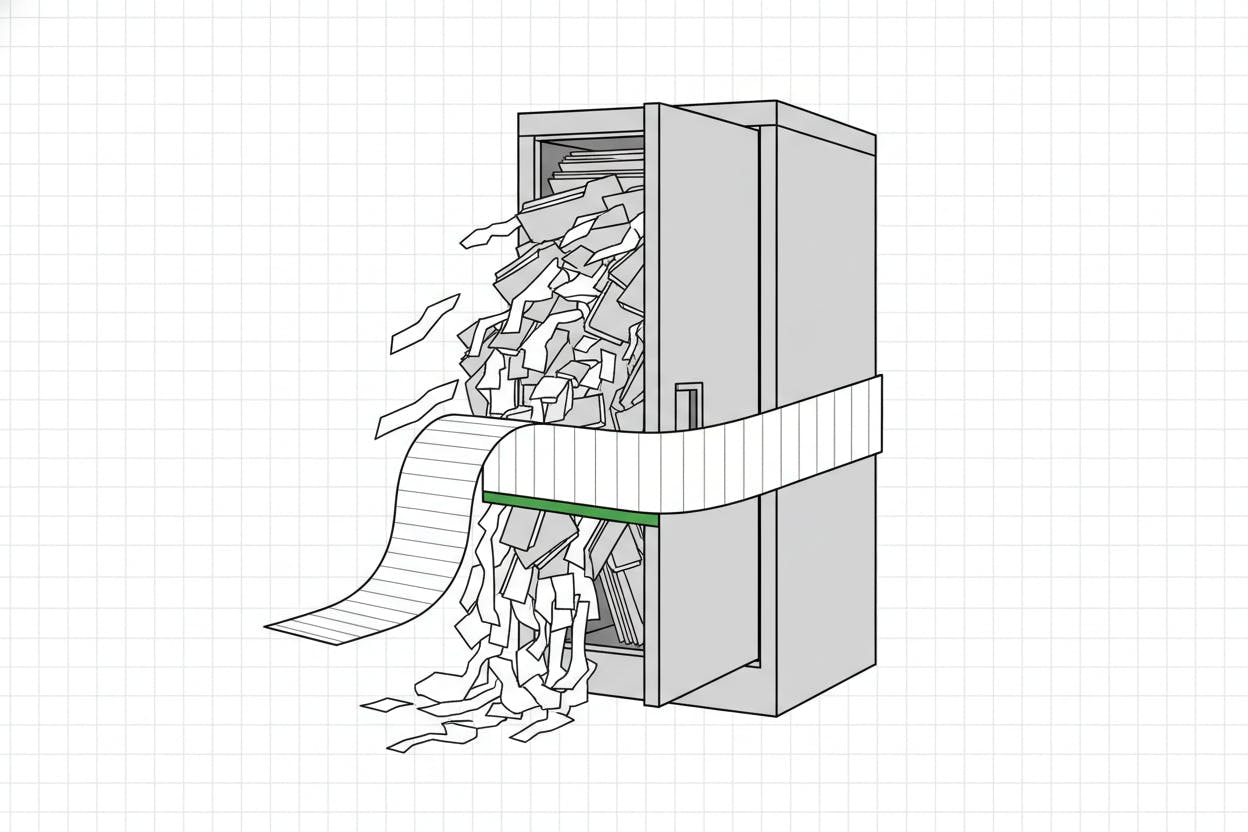
The second half of June was rough for AI stocks, and July was even worse. In a single Friday session last month, chipmakers collectively lost roughly $1 trillion in market value as three major fears converged. Investors are worried that AI spending has spiraled out of control, that cheap Chinese rivals will undercut US leaders, and that the big cloud providers—known as “hyperscalers”—will slash their massive AI infrastructure budgets.
But while sentiment has clearly soured, the fundamentals haven't. In fact, for those willing to look past the noise, there are more reasons to be optimistic than pessimistic.
What's behind the sell-off?
The recent decline in AI infrastructure stocks—companies that build the chips, servers, data centers, and networking gear that power artificial intelligence—reflects a shift in investor mood rather than a change in business conditions. The three fears that triggered the sell-off are worth examining closely.
First, there's the concern that AI spending has become excessive. Companies across the tech sector have been pouring billions into AI infrastructure, and some investors worry that this spending won't generate returns fast enough. This is a legitimate debate, but it's important to remember that similar concerns have been raised during every major technology cycle—from the internet boom to the cloud computing era—and the companies that invested early often came out ahead.
Second, the rise of cheap Chinese rivals has spooked investors. The idea is that lower-cost competitors could undercut US companies on price, squeezing margins and market share. While this is a real risk in some segments, US firms still hold significant advantages in advanced chip design, software ecosystems, and access to capital. The competitive landscape is more nuanced than a simple race to the bottom.
Third, there's the fear that hyperscalers—Amazon, Microsoft, Google, and others—will cut back on their AI infrastructure budgets. These companies have been the primary drivers of demand for AI chips and data centers. If they were to pull back, it would hit the entire supply chain. But so far, there's no evidence that these companies are reducing their commitments. In fact, many have signaled they see AI as a strategic priority for years to come.
Why the fundamentals still look solid
Despite the market's pessimism, the underlying business fundamentals for AI infrastructure companies remain strong. Demand for AI computing power continues to grow, driven by everything from large language models to enterprise applications. The hyperscalers are still building out capacity, and governments around the world are investing in AI as a matter of national competitiveness.
Moreover, the sell-off has pushed valuations down to levels that may already reflect the worst-case scenarios. When sentiment drops faster than fundamentals, it often creates opportunities for long-term investors. As one market observer put it, “Buying the fear” can be a profitable strategy if the underlying businesses are sound.
It's also worth noting that the infrastructure build-out is not just about chips. It includes data centers, cooling systems, networking equipment, and energy infrastructure. This broader ecosystem is still in the early stages of a multi-year expansion. For example, CRH's recent earnings beat highlighted the strength in US infrastructure and data center demand, a sign that the trend is broad-based.
Similarly, KKR's record $19.2 billion infrastructure fund is explicitly targeting AI data centers and the energy transition, underscoring that institutional investors see long-term value in this space.
What it means for investors
For everyday investors, the key takeaway is that market sentiment can swing wildly, but fundamentals tend to move more slowly. The recent sell-off in AI infrastructure stocks may feel alarming, but it's important to distinguish between short-term noise and long-term trends.
If you already own AI infrastructure stocks, this might be a time to review your holdings and ensure they align with your risk tolerance and investment horizon. If you're considering adding exposure, the lower prices could be attractive, but it's always wise to diversify and avoid putting all your eggs in one basket.
It's also worth keeping an eye on the broader market context. Tech stocks have shown resilience in recent sessions, and Asian markets have been mixed, but the AI trade remains a central driver of global equity markets.
Ultimately, the sell-off in AI infrastructure stocks may prove to be a buying opportunity for those who believe in the long-term growth of artificial intelligence. The fundamentals haven't changed—only the mood has.