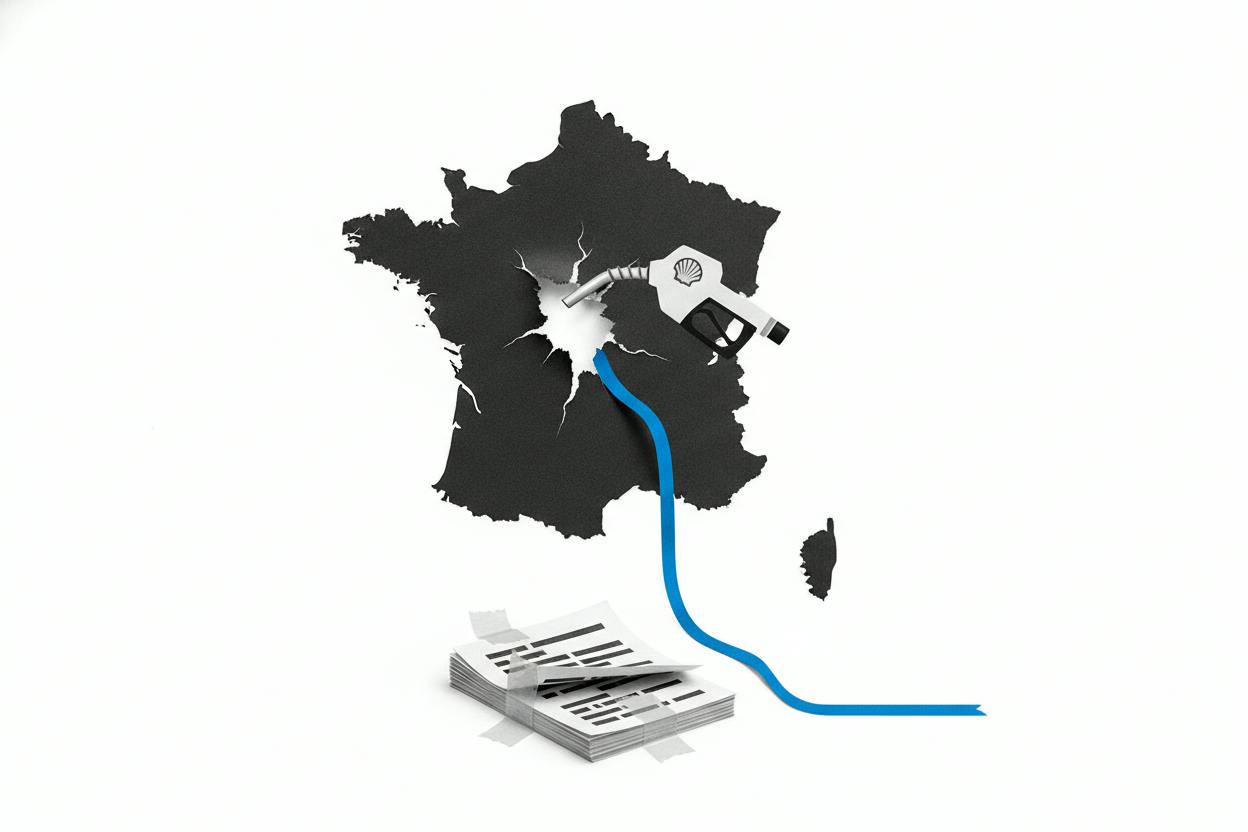
Shell's shares rose more than 1% in premarket trading on Tuesday after Reuters reported that the energy giant had agreed to sell its mobility business in France to DCC Energy. The move comes as oil and natural gas prices slipped, underscoring that for Big Oil, strategic deals can matter as much as commodity swings.
What's in the deal?
The French mobility unit includes Shell's network of fuel stations and associated services in the country. While the exact terms weren't disclosed in the report, the sale is part of Shell's ongoing effort to streamline its portfolio. The company, like many of its peers, has been pruning businesses that are steady but operationally heavy, and focusing capital on areas it believes will generate stronger returns over the long term.
DCC Energy, a unit of Irish group DCC plc, is a major player in the distribution of fuels and energy products across Europe. Acquiring Shell's French mobility operations would expand its footprint in one of the continent's largest fuel retail markets.
This isn't the first time the two companies have been linked. Earlier reports had already flagged that Shell was in talks to sell its French fuel stations and LNG sites to DCC, so Tuesday's news confirms that those discussions have progressed to a deal.
Oil and gas prices ease
The backdrop for the announcement was a softer commodities market. West Texas Intermediate (WTI) crude, the US benchmark, traded near $97.51 a barrel, down from recent highs. US natural gas futures also fell, reflecting a broader pullback in energy prices.
For investors, lower oil and gas prices typically weigh on energy company earnings, since they directly affect revenue from production and sales. But Shell's stock move suggests that the market is looking beyond the commodity cycle and focusing on the company's strategic direction.
Energy stocks have been volatile this year, swinging with geopolitical tensions, supply concerns, and shifting demand forecasts. A deal like this can reassure investors that management is actively reshaping the business to improve efficiency and profitability, even when commodity prices are heading the other way.
Why Shell is selling
Shell's decision to offload its French mobility business fits a broader trend among oil majors. These companies are increasingly under pressure from shareholders to reduce carbon emissions and pivot toward cleaner energy, while also maintaining healthy returns. Selling off retail fuel networks—which are capital-intensive and tied to fossil fuel consumption—allows them to raise cash and redeploy it into higher-growth areas like liquefied natural gas (LNG), renewables, and power trading.
For Shell, France was a market where it had a significant presence but perhaps not the scale to compete effectively against local rivals. By selling to DCC, which specializes in fuel distribution, Shell can exit a business that is no longer core to its strategy without disrupting its broader European operations.
This is part of a wider portfolio reshuffle that has seen Shell sell assets in various countries and focus on fewer, larger projects. The company has also been returning cash to shareholders through dividends and buybacks, a priority for many energy investors.
What it means for investors
For everyday investors, the key takeaway is that energy companies are not just passive plays on oil prices. Strategic decisions—like selling a business unit—can have a meaningful impact on a stock's performance, sometimes even more than daily commodity moves.
When a company like Shell sells a steady but slow-growing operation, it's often a sign that management is trying to improve the overall quality of its earnings. That can be positive for long-term shareholders, as it may lead to higher returns on capital and a more focused business.
However, it's also worth noting that the sale of a retail network means Shell will lose a source of recurring revenue. Investors should watch how the company plans to use the proceeds—whether it's reinvesting in growth areas, paying down debt, or returning cash to shareholders.
The broader energy market remains uncertain. Oil prices near $97 a barrel are still historically high, but they've come off their peaks, and natural gas prices have been volatile. For those with exposure to energy stocks, it's important to remember that commodity prices can swing sharply, and company-specific news like this deal can sometimes overshadow the day-to-day moves in the underlying commodities.
As Shell continues to reshape its portfolio, investors will likely keep an eye on further divestments and acquisitions. The company's ability to execute its strategy while navigating a complex energy transition will be a key driver of its stock price in the months ahead.