Union workers at Sibanye-Stillwater's Stillwater East mine and Columbus metallurgical facility in Montana have voted to approve a new labor contract, bringing an end to a strike that began on September 3rd. Employees are expected to return to work on Friday, according to the company.
The agreement, which runs retroactively from June 1st of this year through May 31st, 2029, gives the South African mining company a period of labor stability at one of its key US operations. The deal was reached after weeks of negotiations, and its approval removes a source of uncertainty for the company's production outlook.
What's in the contract?
The contract provides a 4.5% wage increase in the first year. In the second year, wages will rise by the greater of 3.5% or the consumer price index (CPI), and in the third year, the increase will be the greater of 3% or CPI. This structure means that if inflation runs higher than those minimums, workers' pay will keep pace with the cost of living.
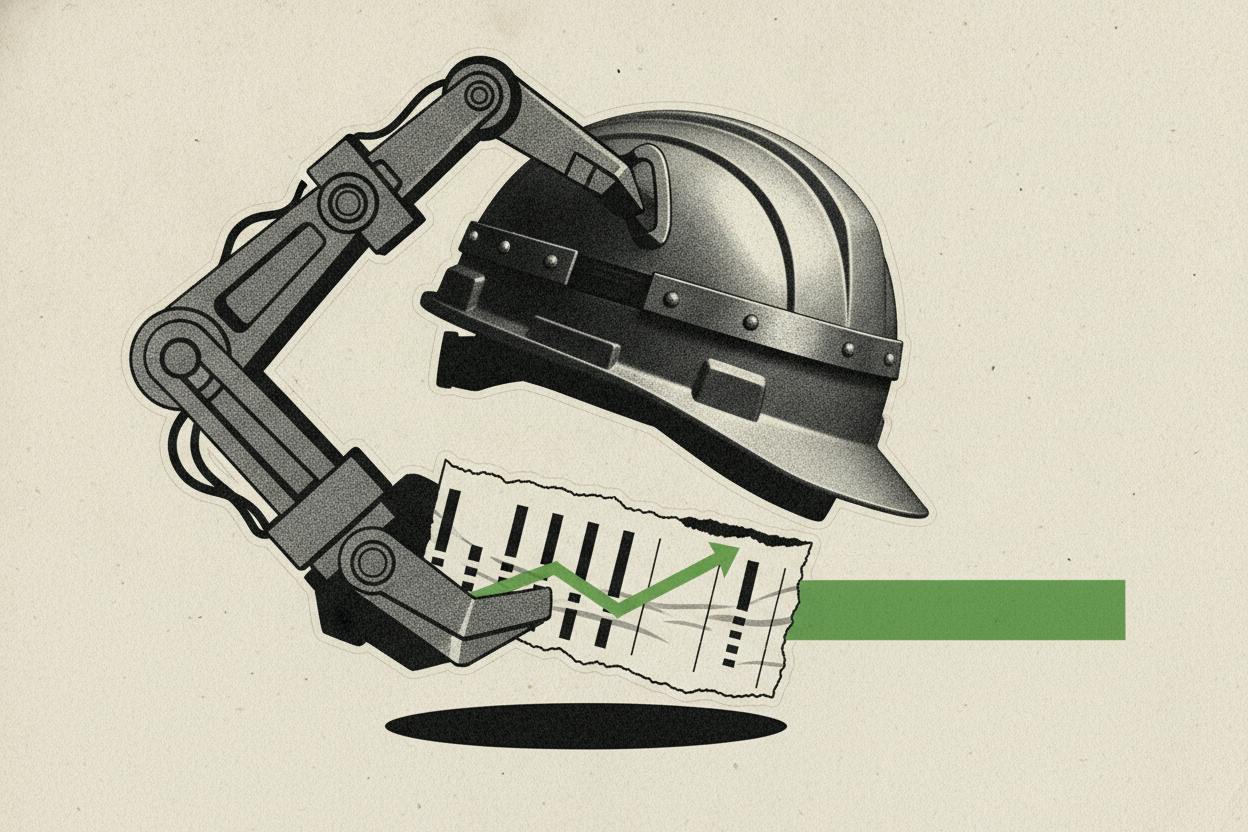
The agreement also includes changes tied to the company's push toward "fully mechanized mining," along with team-based incentives and modifications to some legacy benefits. These provisions signal that Sibanye-Stillwater is looking to improve productivity to help control costs per ounce of metal produced.
For investors, the end of the strike removes the immediate risk of lost output, which is significant for a miner whose profits are sensitive to both production volumes and metal prices. The multi-year deal provides a clearer picture of labor costs and operational continuity at the Montana sites.
Why the inflation link matters
The CPI-linked wage increases are a double-edged sword. On one hand, they reduce the likelihood of another work stoppage in the near term, as workers are assured that their pay will keep up with inflation. On the other hand, they make labor costs more sensitive to inflation trends. If US inflation remains elevated, the company's payroll expenses at these operations could rise more than they would under a fixed-increase schedule.
This is why the mechanization push is a key part of the story. If new equipment and team-based incentives reduce the number of labor hours needed per ounce of metal, the company can better absorb inflation-linked pay increases without squeezing its profit margins. If productivity gains fall short, however, the cost base could become more inflation-sensitive even after the strike is over.
Investors will likely keep a close eye on US inflation data, as higher CPI prints could feed directly into the company's costs. The deal also shifts the focus from the strike to the company's ability to manage its cost structure over the long term.
What it means for investors
For shareholders, the resolution of the strike is a positive development, as it removes a source of operational uncertainty. The company can now plan its production and cost outlook with more confidence, at least for the next several years. However, the inflation-linked wage structure means that the company's margins could be more vulnerable to rising prices than they were under previous contracts.
The emphasis on mechanization suggests that management is aware of this risk and is taking steps to offset it. But the success of that strategy will depend on execution. If the company can achieve the productivity gains it is aiming for, it may be able to keep costs per ounce under control despite higher wages. If not, investors could see pressure on profitability.
The deal also highlights a broader trend in the mining industry, where companies are increasingly turning to automation and other efficiency measures to manage labor costs. As inflation remains a concern across many economies, such moves could become more common.
For now, the end of the Montana strike is a relief for Sibanye-Stillwater and its investors. The company can get back to focusing on its operations and the metal markets, which have seen their own share of volatility. The next thing to watch will be the company's quarterly production reports and how well it manages its cost base in an environment where inflation-linked wages are now part of the equation.